Backpacking Sleeping Pads
This is the half of the sleep system people underbuy. Your body crushes the insulation underneath it to nothing, so the pad carries the entire underside, and the ground conducts heat away far faster than the air around your shoulders does. Since ASTM F3340 arrived in 2020 every serious maker tests R-value the same way, which means these figures can honestly sit in one column for the first time. What the R-value does not tell you is thickness, width or how loud the pad is — and for a side sleeper those decide the night just as much.
21 of them here from 7 makers, priced $50 to $260. The best warmth-per-ounce of the group is the NEMO Tensor Extreme Conditions at 0.47 R per ounce. The lightest is the NEMO Tensor Elite at 8.5 oz, and the cheapest is the Klymit Static V Base at ~$50.
Exped
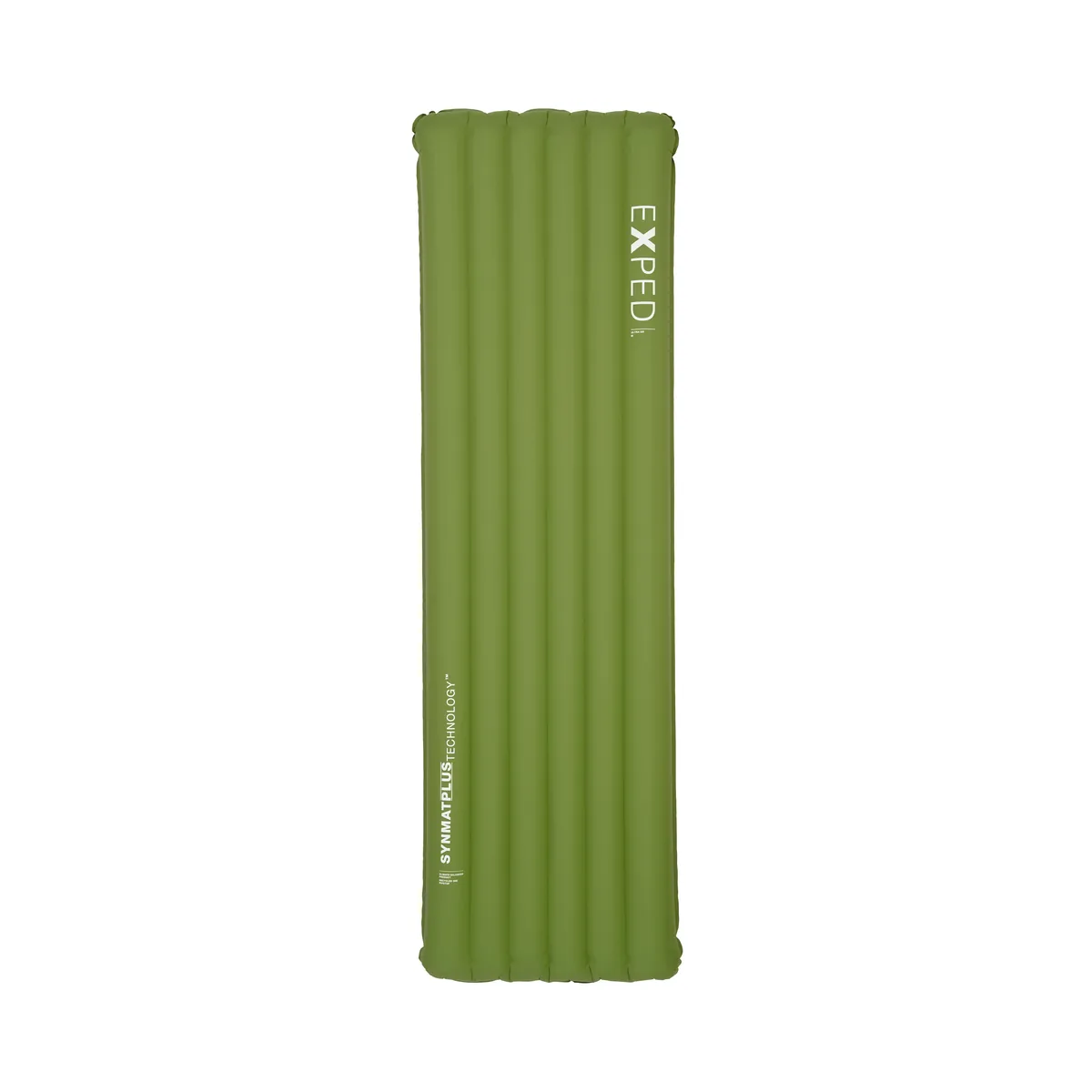
Exped Ultra 8R
Exped's winter flagship insulates with actual down inside the air chambers, which is why it reaches R 8.8 — the highest figure in this catalogue — at twenty ounces. Exped quotes it as good to about -49 °F, which is a number for expeditions rather than for anyone's weekend. Down inside a pad has one obvious vulnerability: moisture from breath-inflation will eventually kill it, which is exactly why the Schnozzel pump bag is in the box and why using it is not optional on this model.
Best for: Expedition and deep-winter camping
Full spec sheet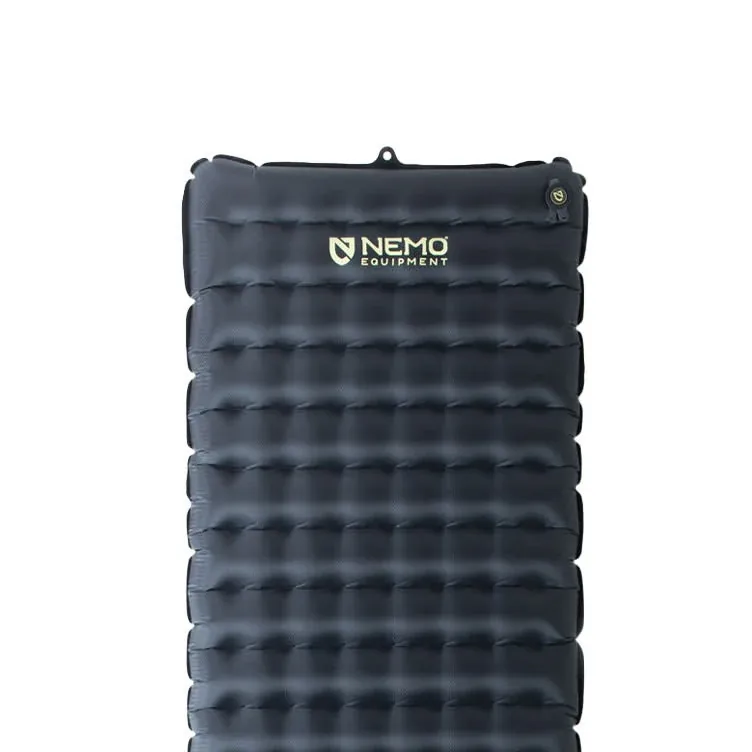
R-value 8.5 is the warmest figure in this catalogue and among the warmest published anywhere, and NEMO gets there at 18 ounces — which is what makes this the pad that turns up under expedition sleeping bags on glacier trips. Four suspended film layers instead of the All-Season's fewer, in the same quiet Spaceframe structure and the same 3.5-inch loft. The honest framing is that almost nobody needs 8.5: past about R 6 you are insulating against ice, and on anything but snow the extra is weight and money you spent to feel warmer than you had to.
Best for: Glacier camps, winter basecamps and sleeping on snow
Full spec sheet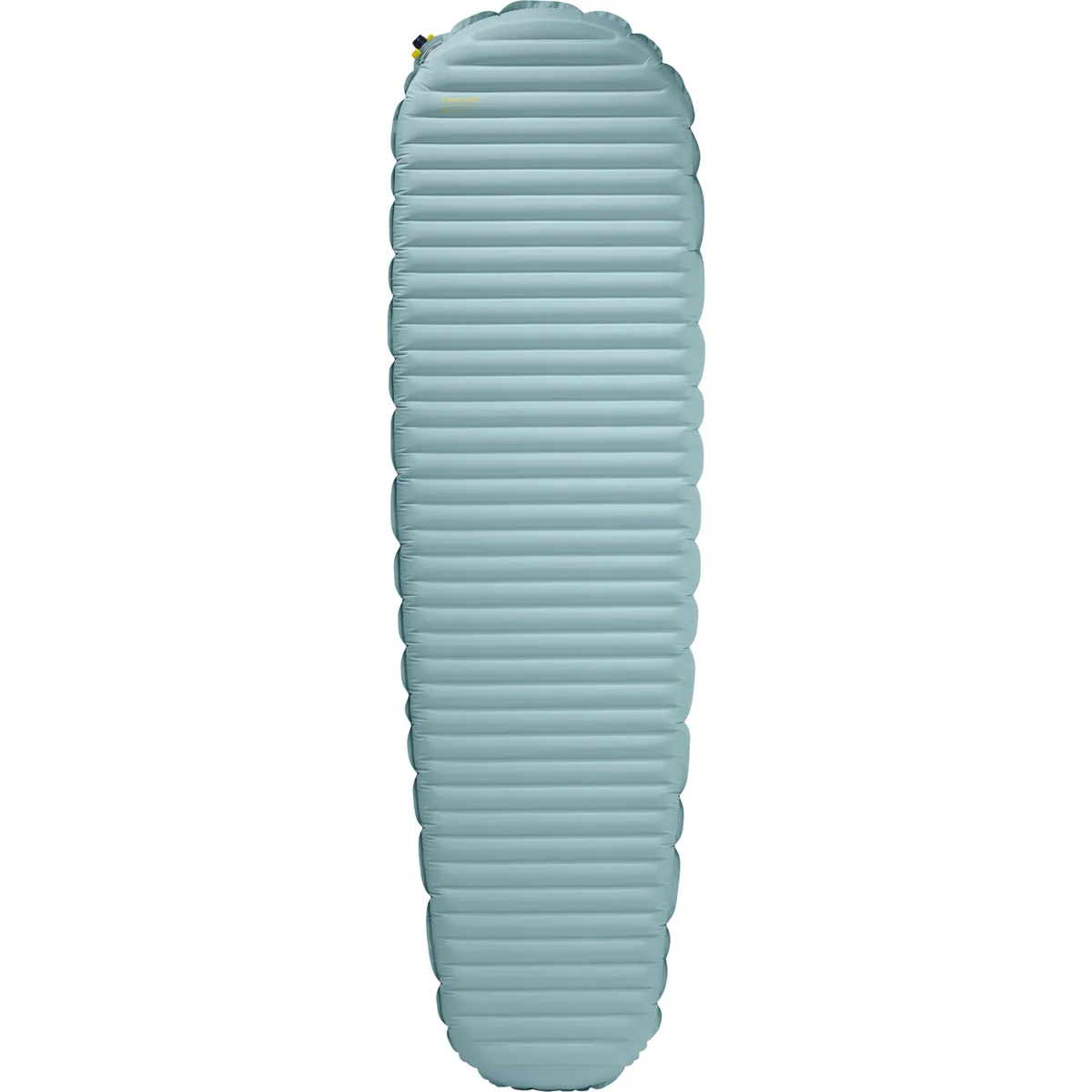
Therm-a-Rest
Therm-a-Rest NeoAir XTherm NXT
Add two and a half ounces to an XLite and you get a pad rated 7.3 — enough to sleep on snow — which is the trade that makes the XTherm the pad winter backpackers and shoulder-season sceptics buy instead. The extra warmth comes from more layers of the same reflective film rather than from bulk, so it packs almost as small and feels the same underneath. The 70-denier bottom fabric is a real upgrade over the XLite's 30D and the reason this one survives on crusted snow and scree. It is a lot of R-value to carry in July, and the honest answer for most three-season use is that it is more pad than the trip needs.
Best for: Winter and high-alpine trips where the ground is frozen
Full spec sheet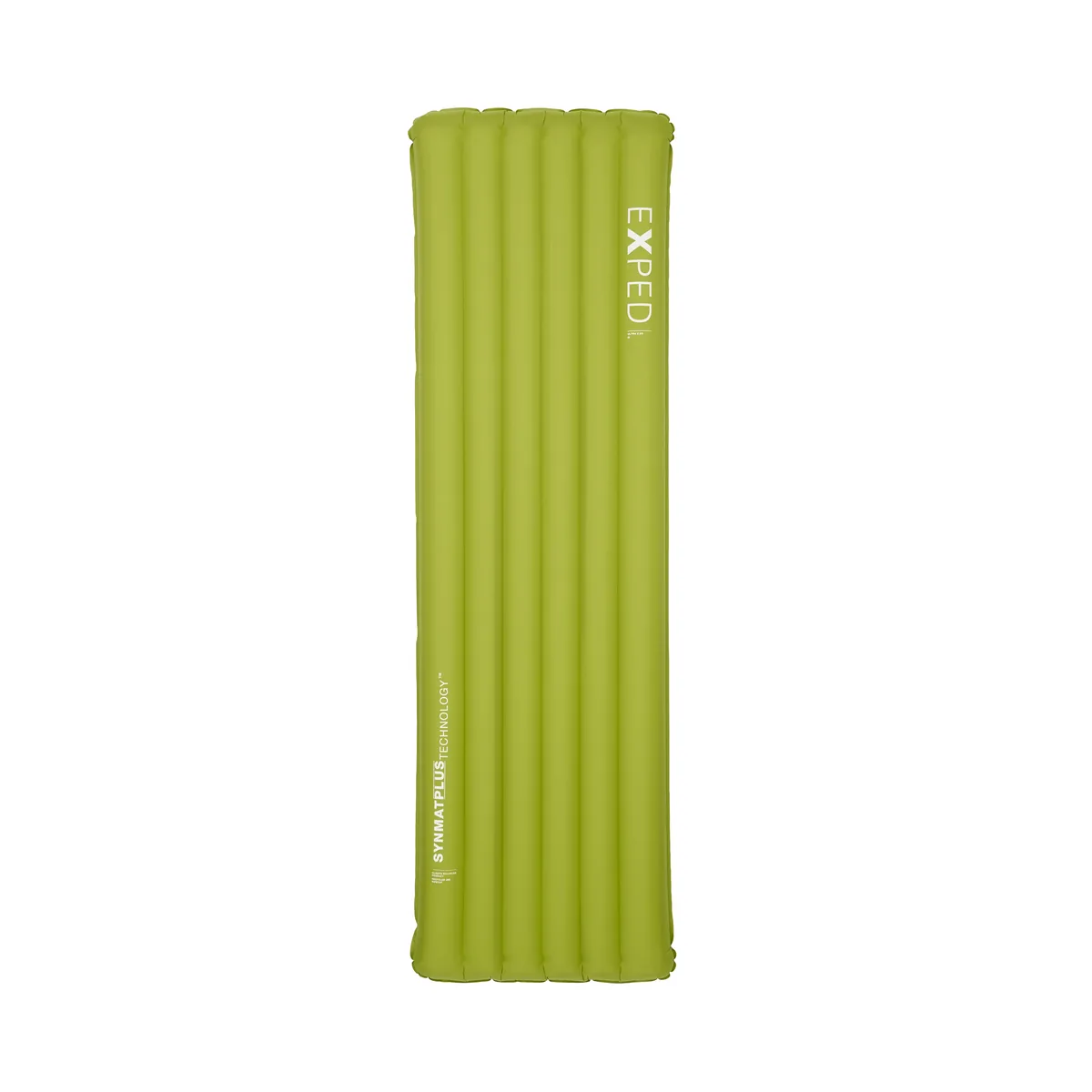
Exped
Exped Ultra 6.5R
The oddity in this catalogue: an R 6.9 pad that weighs half an ounce less than the R 3.2 pad from the same brand. Exped's naming is confusing — the model is called 6.5R and tests at 6.9 — but the numbers are real and they make this the best warmth-per-ounce pad here, at 0.45 R per ounce. Three and a half inches thick, silent batting insulation, and again the same price in every width. If you were going to buy one insulated pad and use it from May to October and occasionally in snow, this is the strongest argument in the catalogue.
Best for: One pad for everything, including the occasional night on snow
Full spec sheet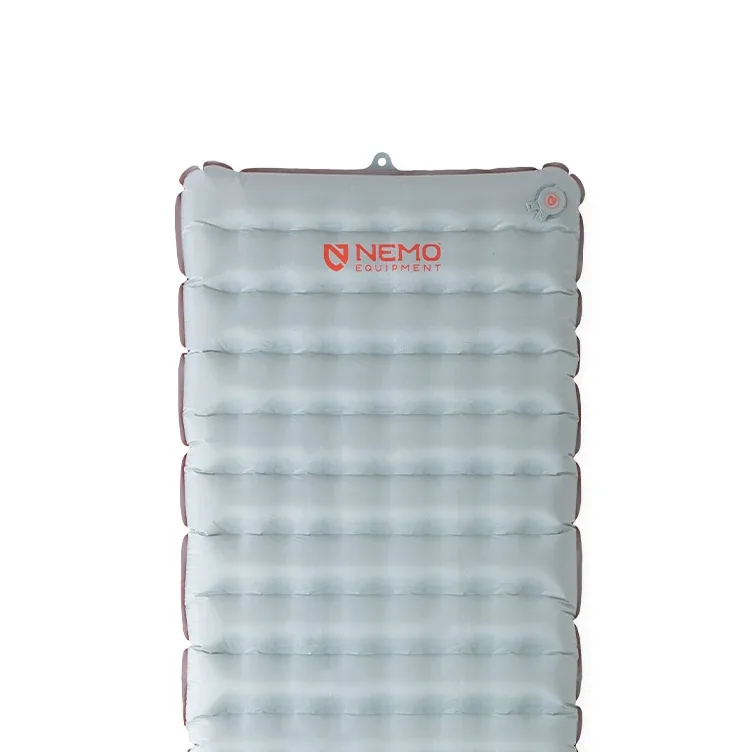
The 2024 Tensor redesign is the pad that took the crinkle argument away from Therm-a-Rest. NEMO's Spaceframe baffles hold the reflective film in suspension rather than laminating it to the fabric, which is why this is the quietest insulated air pad in the catalogue, and the same structure is what gets a three-and-a-half-inch pad to hold its shape under a hip instead of squirming. R-value 5.4 is a genuinely cold-weather number that most people will never max out on a three-season trip. It weighs two and a half ounces more than an XLite and is half an inch thicker.
Best for: Light sleepers and anyone who has returned a crinkly pad
Full spec sheet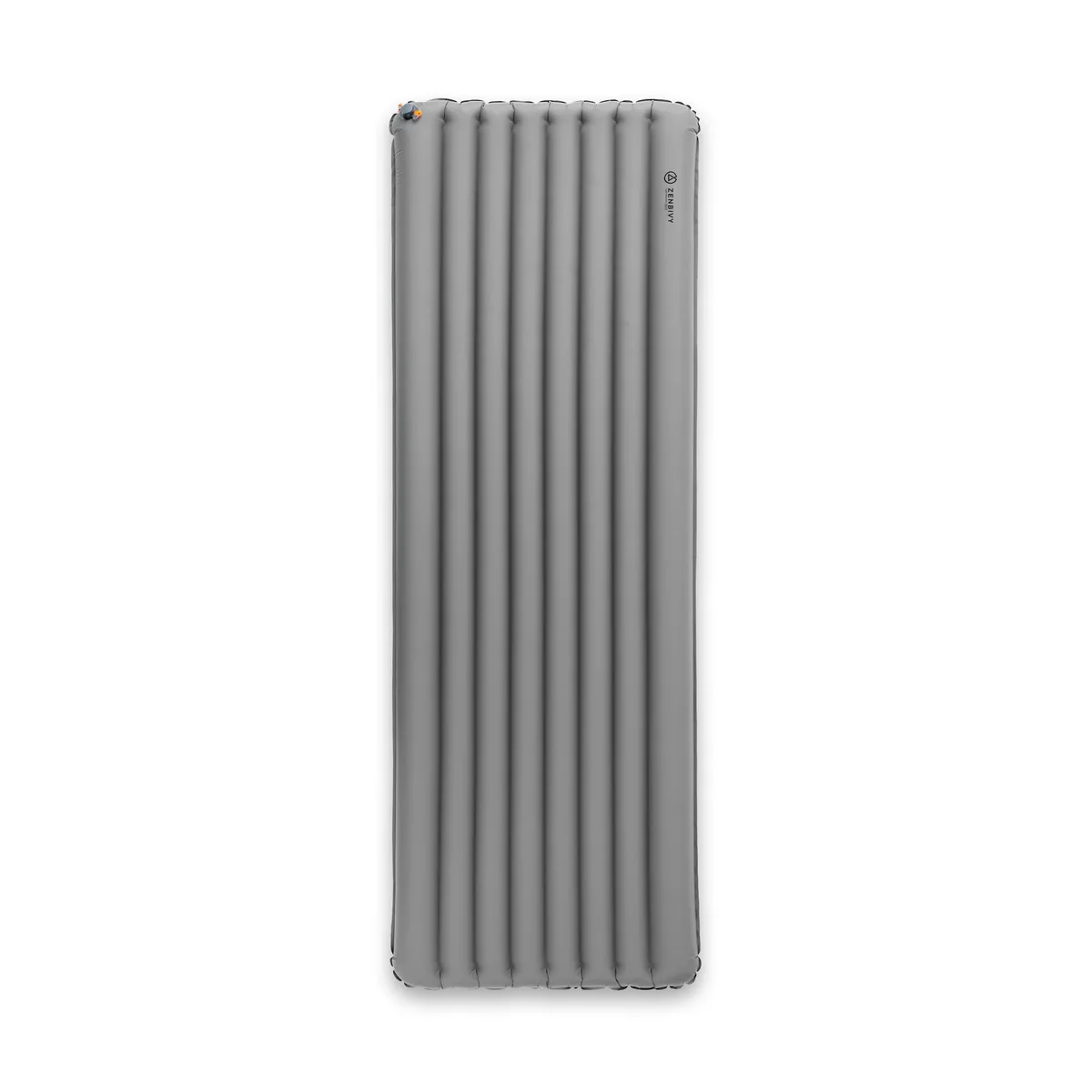
Zenbivy
Zenbivy Light Mattress
Zenbivy's whole product is a bed rather than a bag: a mattress, a fitted sheet that clips to it, and a quilt that clips to the sheet. This is the mattress half. R-value 5.2 from real polyester batting rather than film means it is silent and warm on contact, and 23 ounces for that rating is competitive. The catch is that it is designed to be bought with the sheet and quilt, and buying just the mattress means paying for compatibility features you won't use.
Best for: Zenbivy sleep-system users, and anyone who hates pad noise
Full spec sheet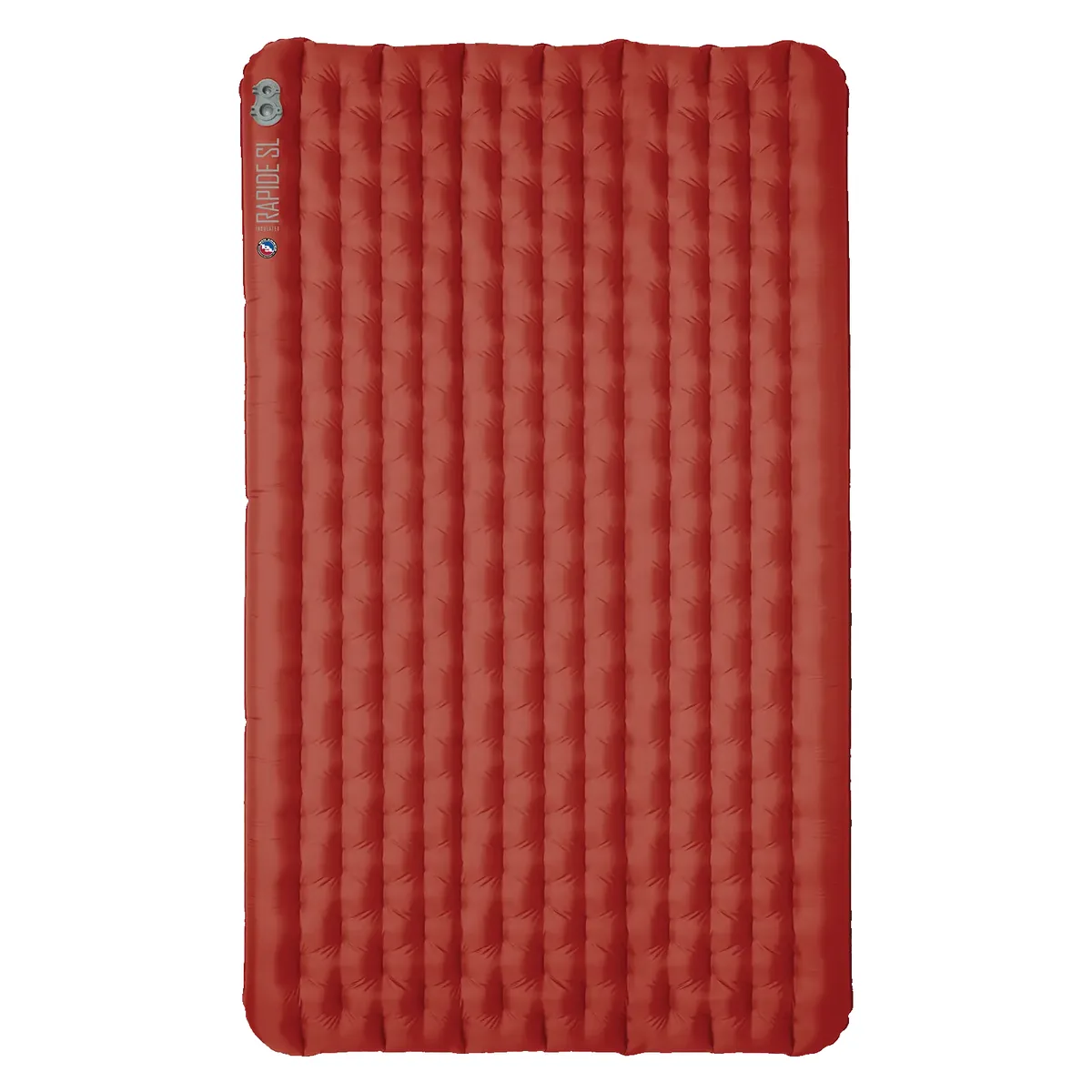
Big Agnes
Big Agnes Rapide SL Insulated
Big Agnes's offset I-Beam construction puts the larger chambers along the outside edges — 4.25 inches at the rails against 3.5 in the middle — so the pad cradles rather than rolling you off. It is the most useful piece of geometry on any pad here, and combined with R-value 4.8 at 17.9 ounces and a 1.9-litre packed volume it makes the Rapide SL the most complete three-season pad in the catalogue on paper. Six sizes, including a 40-inch-wide version that is effectively a double. Big Agnes names the R-value as third-party rated, which is the correct framing.
Best for: Restless sleepers who roll off flat pads
Full spec sheet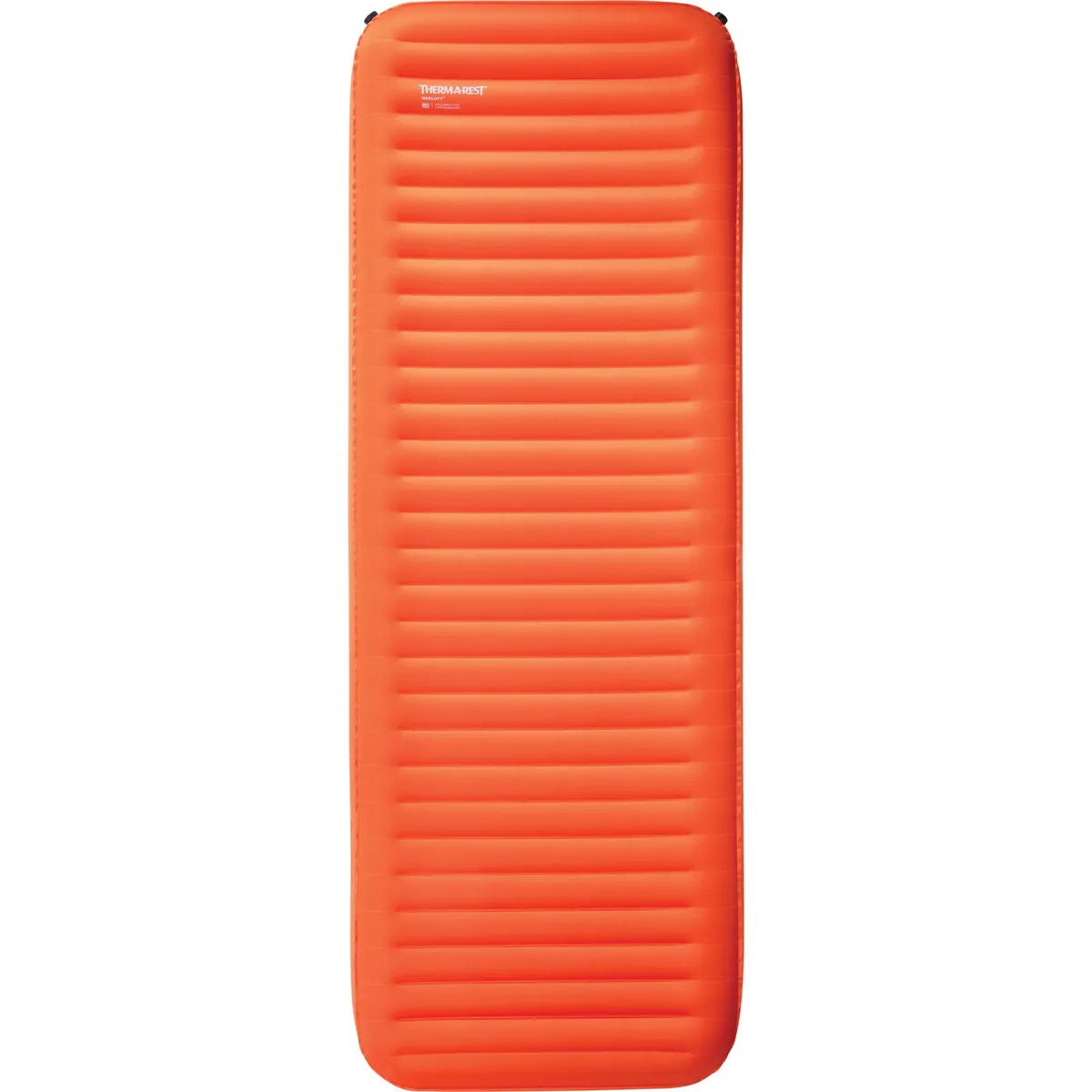
Therm-a-Rest
Therm-a-Rest NeoLoft
Therm-a-Rest's answer to the people who bought an XLite, slept badly on it and went back to car camping. The NeoLoft is 4.6 inches thick — nearly half again as deep as anything else you would carry on your back — with a 50-denier stretch-knit top that feels like fabric rather than a balloon, and it is two inches wider than a standard pad at 22 inches. It costs 12 ounces over an XLite for essentially the same warmth, which is the whole argument: this is comfort bought with weight, not warmth bought with weight. Side sleepers and anyone over about 200 pounds are the people it was built for.
Best for: Side sleepers who want a real mattress but still have to carry it
Full spec sheet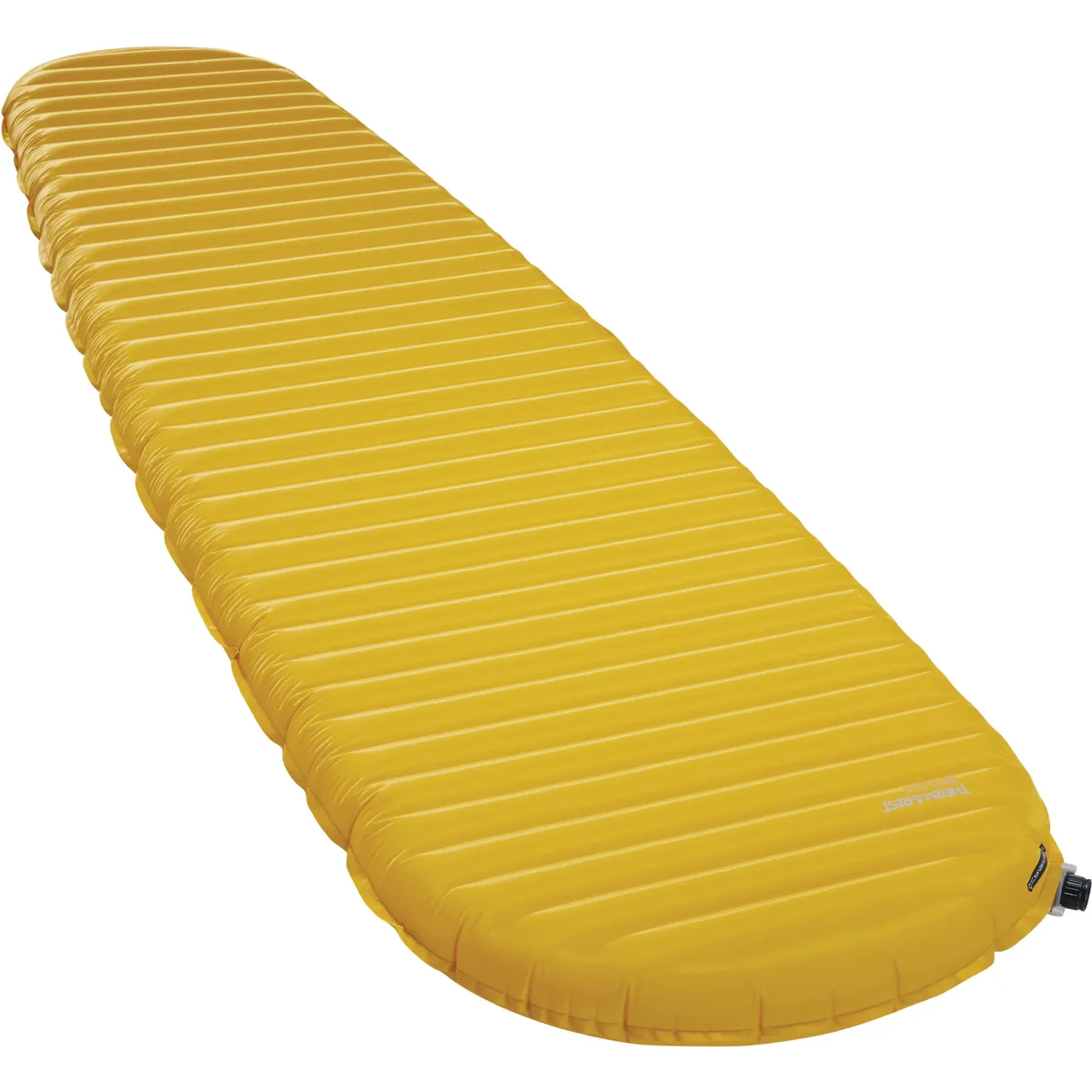
Therm-a-Rest
Therm-a-Rest NeoAir XLite NXT
The XLite has been the default long-distance backpacking pad for a decade, and the NXT revision is the version that finally answered the two complaints people had: it is quieter than the pad it replaced, and the R-value rose from 4.2 to 4.5 without adding weight. Thirteen ounces buys three inches of loft and a rating that covers shoulder-season nights on frozen ground, which is a combination nothing else in the catalogue matches at this weight. The WingLock valve dumps air in a couple of seconds and takes the included pump sack, so nobody has to blow moisture into the baffles. What you give up is durability margin: 30-denier fabric top and bottom is thin, and the pad wants a groundsheet or a foam layer under it on sharp ground.
Best for: Thru-hikers and three-season backpackers counting every ounce
Full spec sheet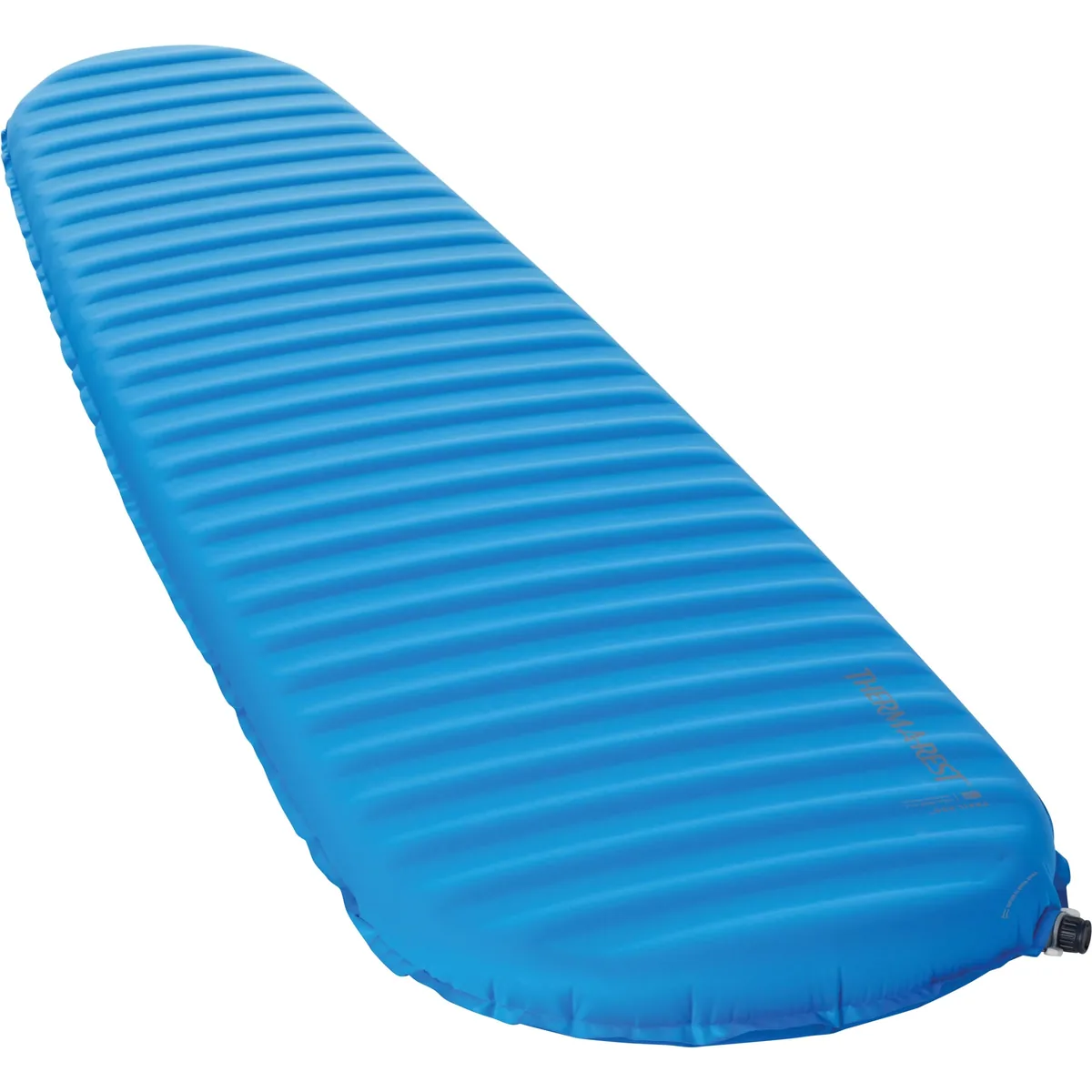
Therm-a-Rest
Therm-a-Rest Trail Pro
The Trail ProLite with another inch of foam and a soft stretch-knit face, which turns it from a serviceable pad into a comfortable one. Three inches and R-value 4.4 put it level with an XLite on both counts, at half the price and twice the weight — a trade that makes complete sense for weekend trips and none at all for a thru-hike. The knit top is the part people remark on: it does not feel cold or slippery against a bag, and it does not crinkle.
Best for: Weekend backpacking and basecamps where two extra pounds don't decide anything
Full spec sheet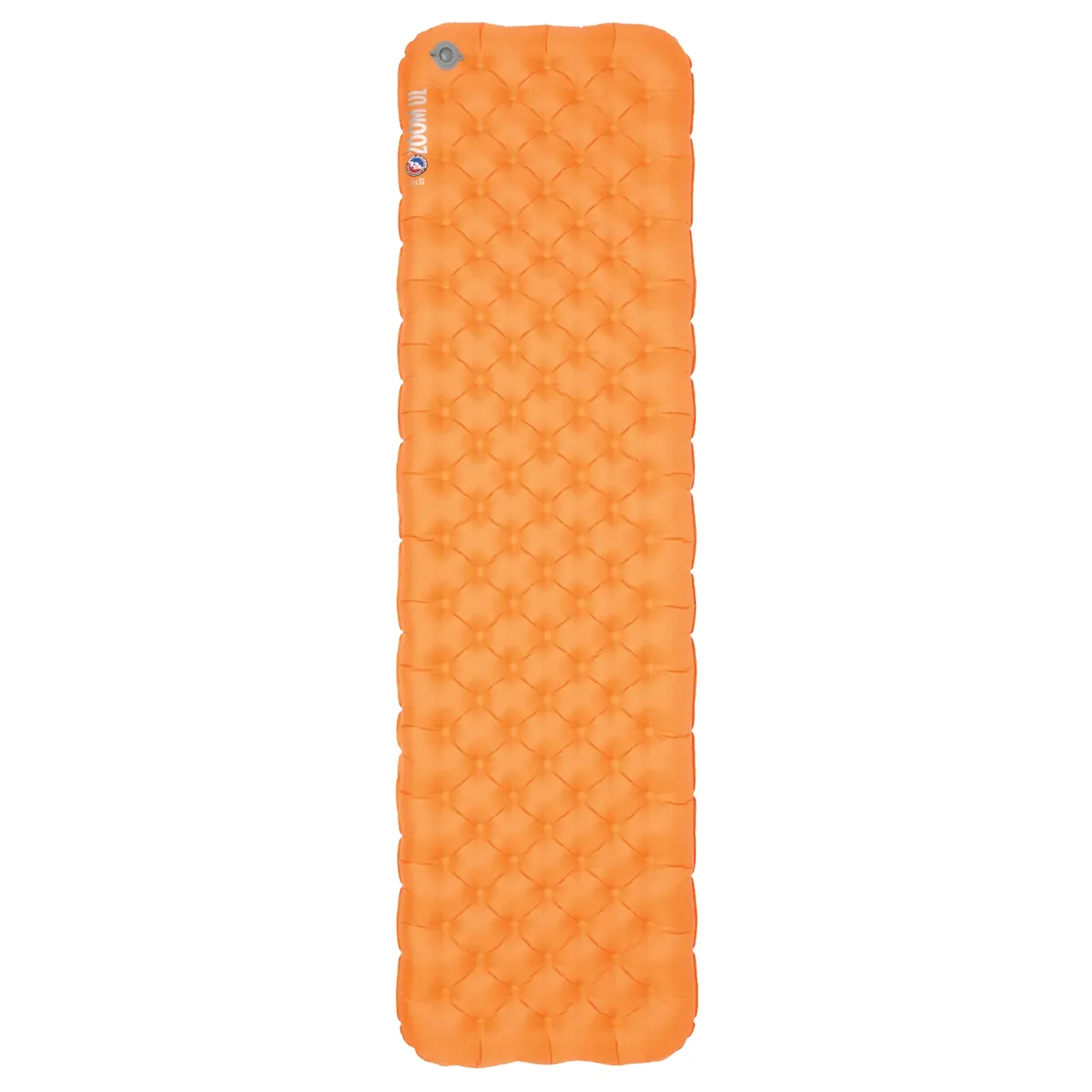
Big Agnes
Big Agnes Zoom UL Insulated
Big Agnes's lightest insulated pad, and the one that trades the Rapide's cradling rails for four ounces. O-beam internal construction instead of offset I-beams, 3.25 inches of loft, R-value 4.3 and 14.1 ounces in the standard size. The fabric is post-consumer recycled nylon ripstop. It sits directly between an XLite and a Rapide on every axis, which makes it easy to overlook and hard to fault.
Best for: Backpackers who want Big Agnes's build at ultralight weight
Full spec sheet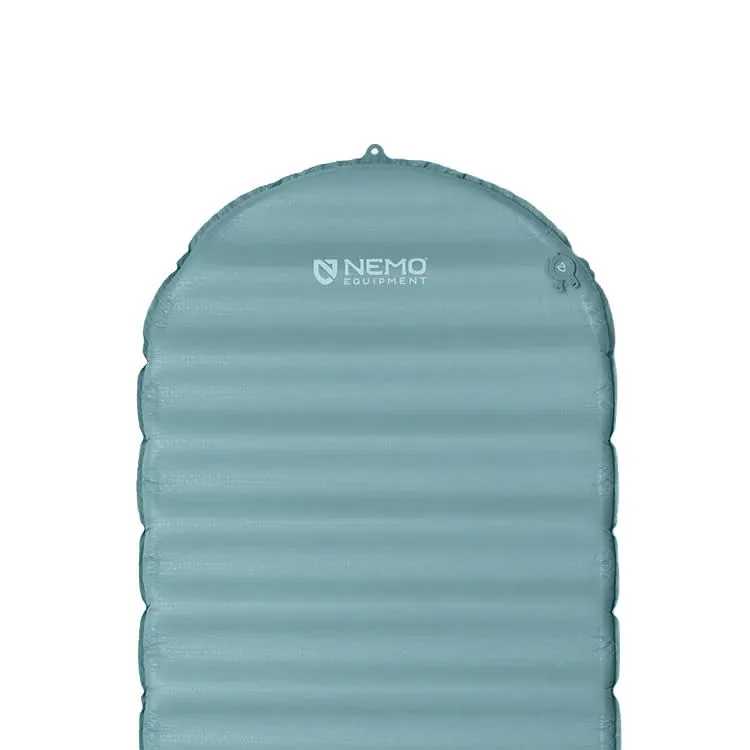
NEMO
NEMO Flyer
NEMO's self-inflating pad, and at 21 ounces it is the lightest foam-core pad here by a clear margin — three ounces under Therm-a-Rest's Trail ProLite for a slightly better R-value of 4.2. The die-cut foam has large sections removed to save weight, which is also why it is only two inches thick. It is the pad for someone who has punctured one too many air mattresses and wants the failure mode to be a softer night rather than no night.
Best for: Backpackers who have given up on air pads
Full spec sheet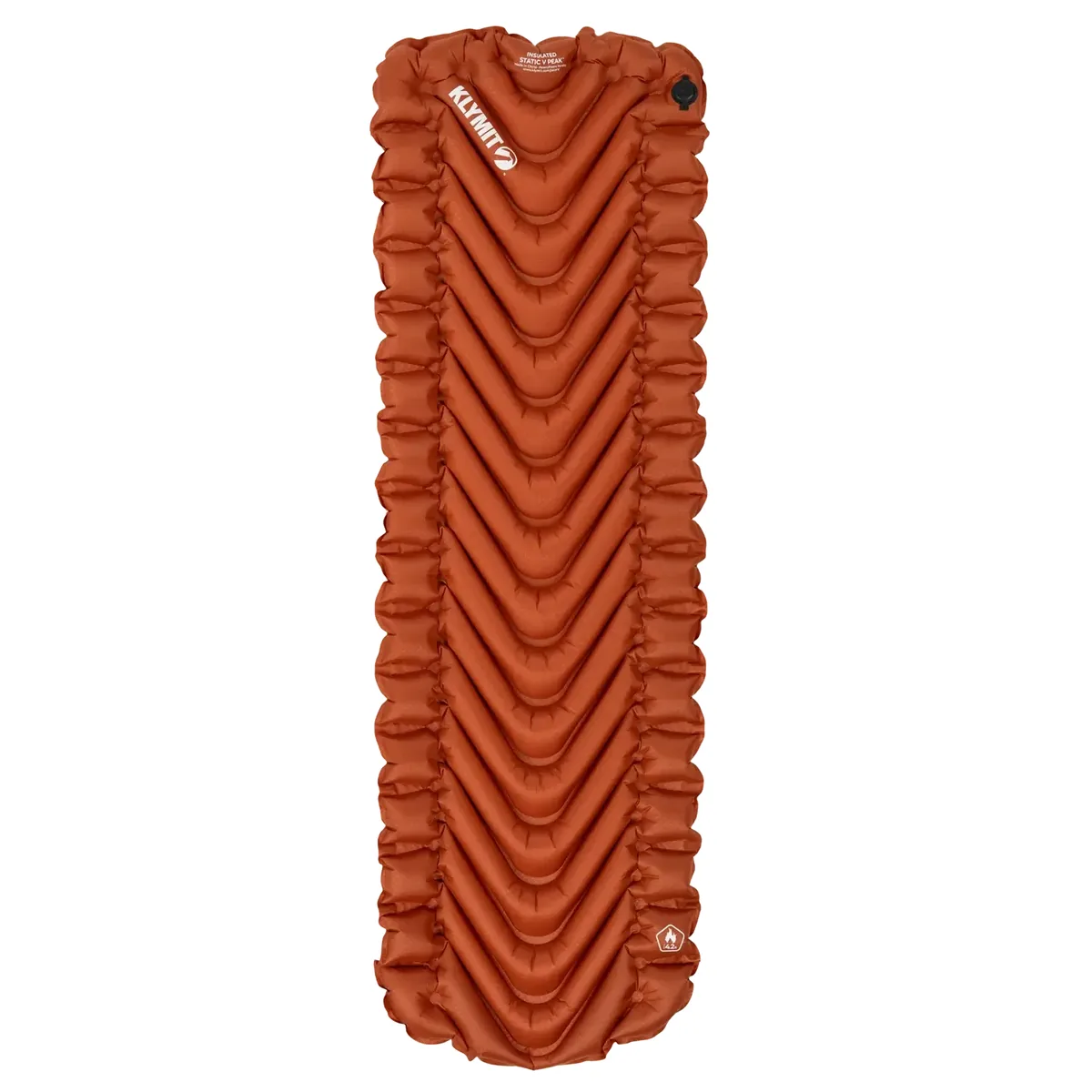
The insulated version of the Static V, and a much more interesting product: R-value 4.2 for $100, which is half what most pads with that rating cost. It gets there with both reflective film and Klymalite synthetic fill, and it keeps the 75-denier polyester and the 23-inch width. The compromises are the ones you would expect at the price — 22 ounces, only two and a half inches of loft, and a flip valve you inflate by mouth.
Best for: Three-season backpacking on a real budget
Full spec sheet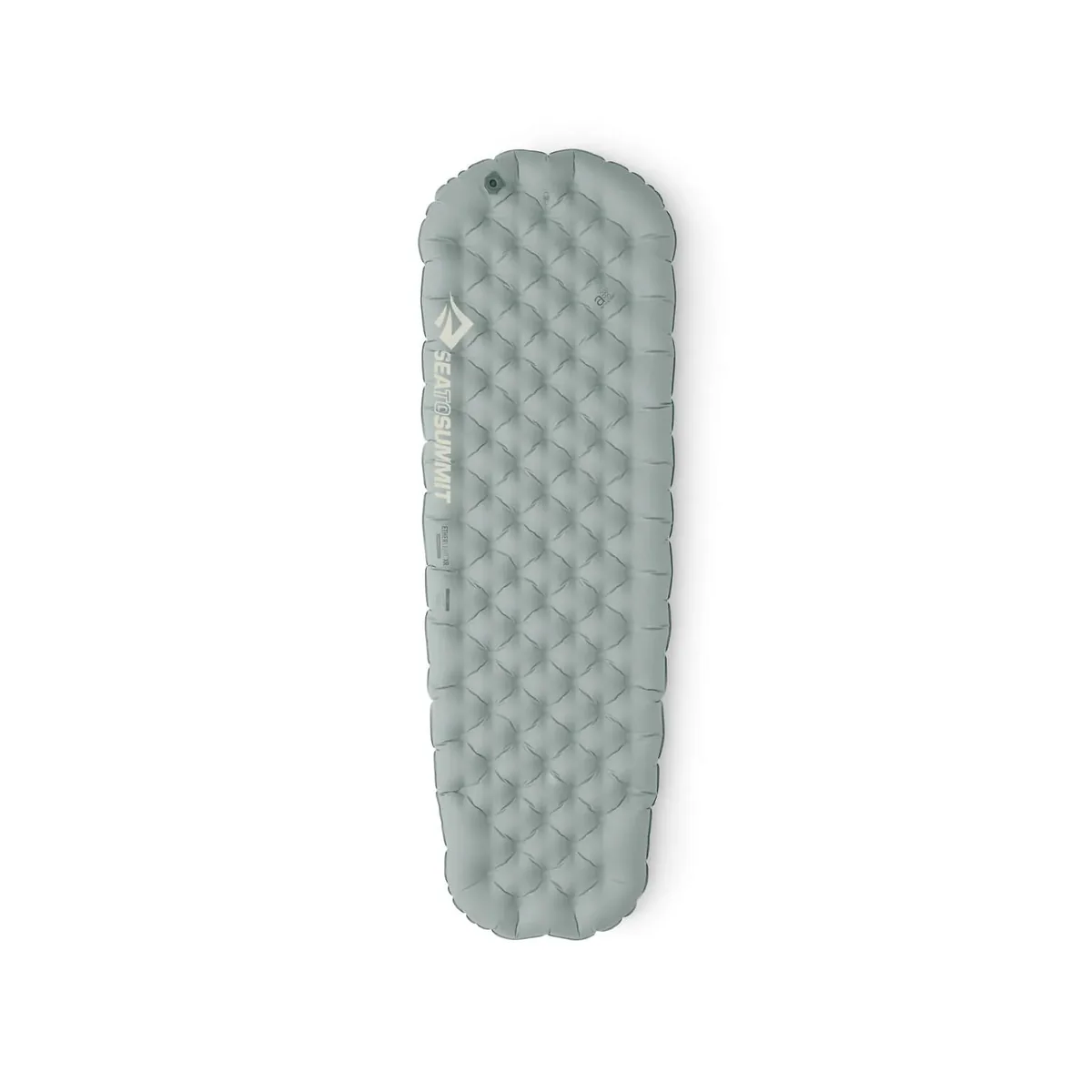
Sea to Summit
Sea to Summit Ether Light XR Insulated
Four inches thick — the deepest air pad here that still weighs under a pound — built from a grid of individual Air Sprung Cells rather than long baffles, so it behaves more like a mattress and less like a pool toy. That structure is the whole point: a hip pressing into one cell does not push air into the next one, which is what stops the bounce and the roll-off that thick pads usually suffer from. R-value 4.1 is honest three-season. The Airstream pump sack is built into the stuff sack and inflates it in a few passes.
Best for: Side sleepers who want mattress depth in a backpacking pad
Full spec sheet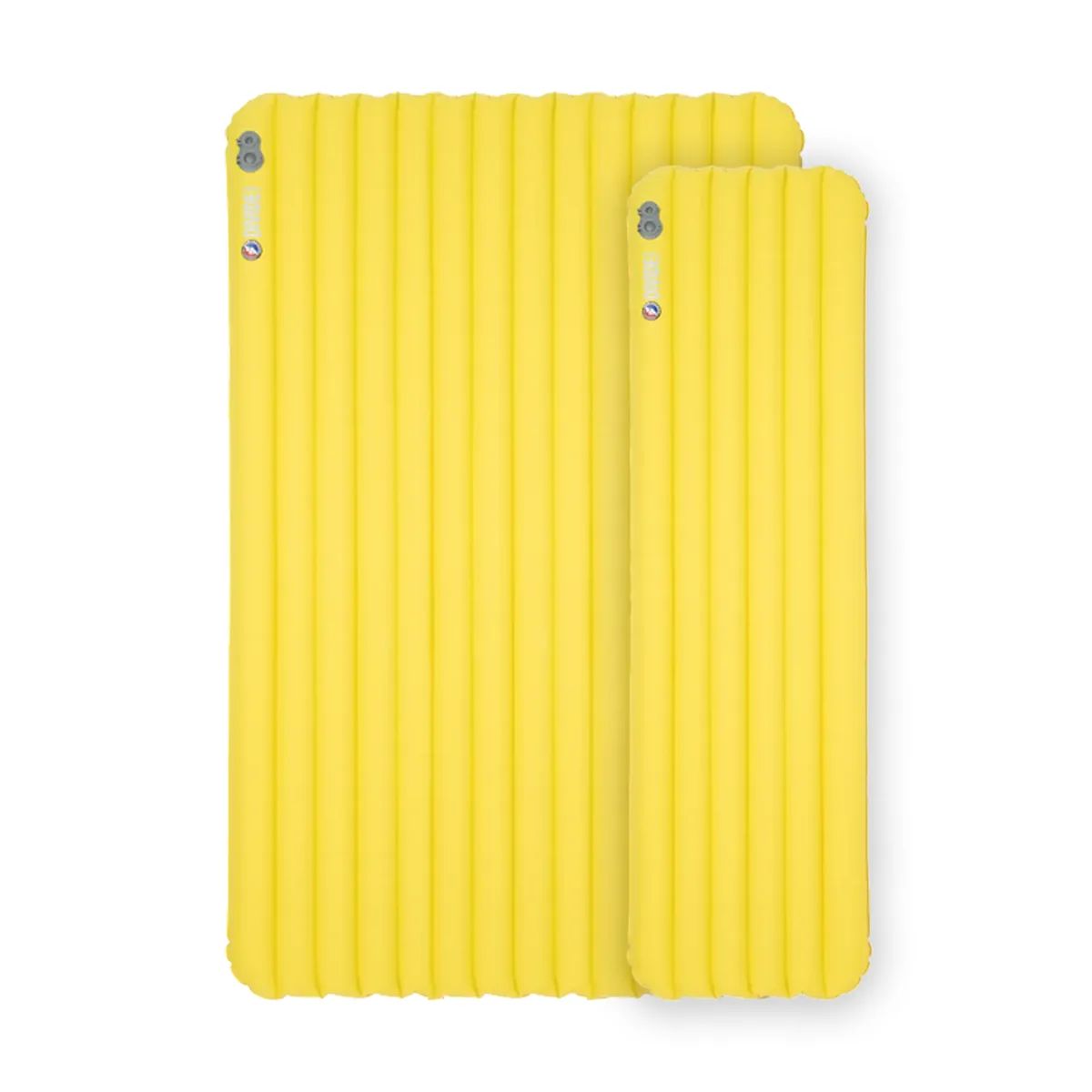
Big Agnes
Big Agnes Divide Insulated
The value entry in Big Agnes's insulated line, and one of the few air pads here that uses real synthetic insulation alongside the reflective film rather than film alone. R-value 4 for $110 is the cheapest insulated air pad in the catalogue, and the 50 × 78-inch version is a proper double for $229. Eight ounces heavier than the Zoom UL for $60 less, which is the whole proposition. Vertical baffles rather than the Rapide's offset rails, which makes for a flatter, less cradling surface.
Best for: First insulated pad, or a spare for guests
Full spec sheet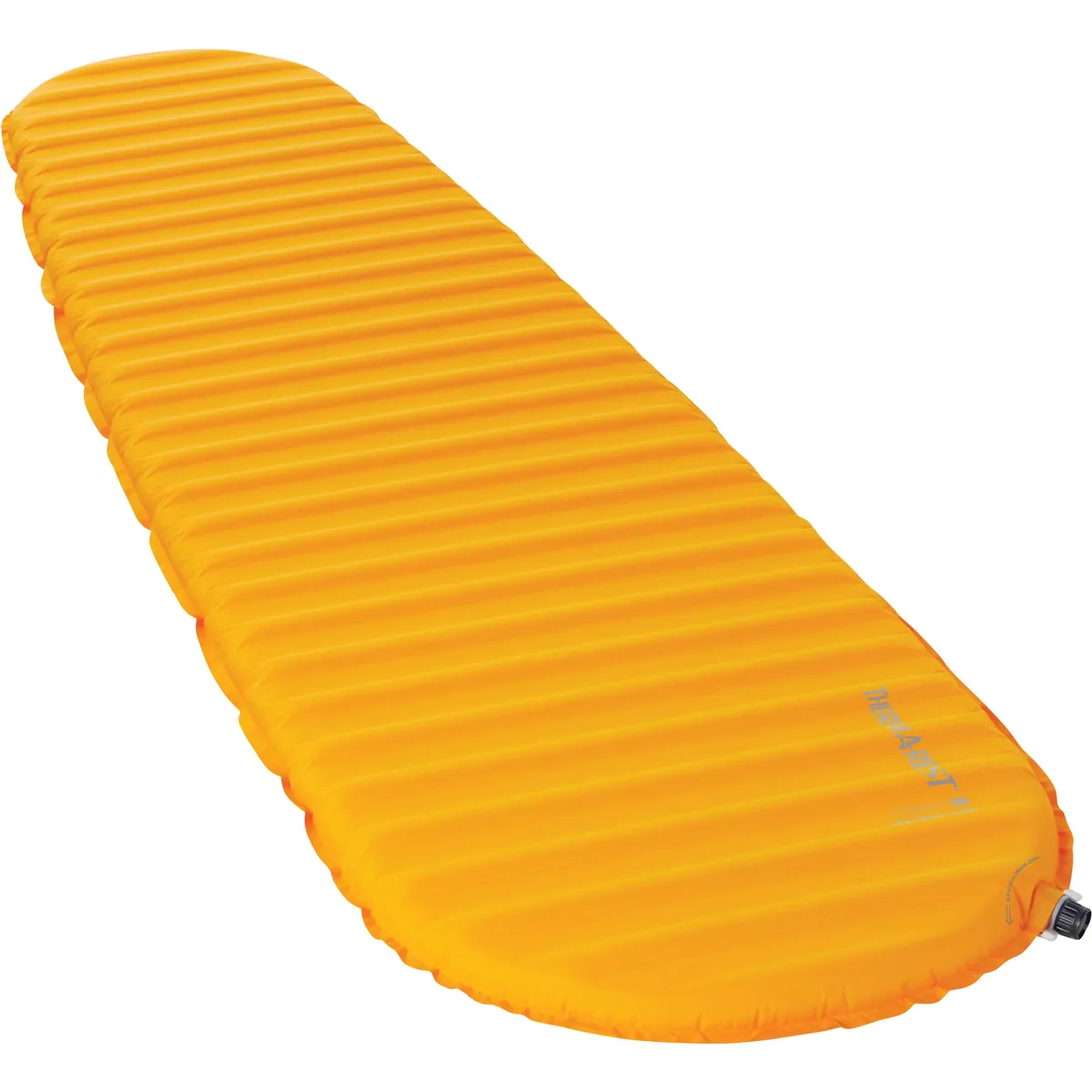
Therm-a-Rest
Therm-a-Rest Trail ProLite
The direct descendant of the original 1970s self-inflating mat, and still the pad to buy if you would rather have something that works than something that weighs less. Open the valve, walk away, come back to a pad that is most of the way there. Two inches is thin by modern standards and 24 ounces is nearly twice an XLite, but 75-denier polyester and foam-filled construction mean a pinhole is an inconvenience rather than a night on the ground — the foam still holds you up. R-value 3.8 covers three seasons honestly.
Best for: Backpackers who want a pad that still works after a puncture
Full spec sheet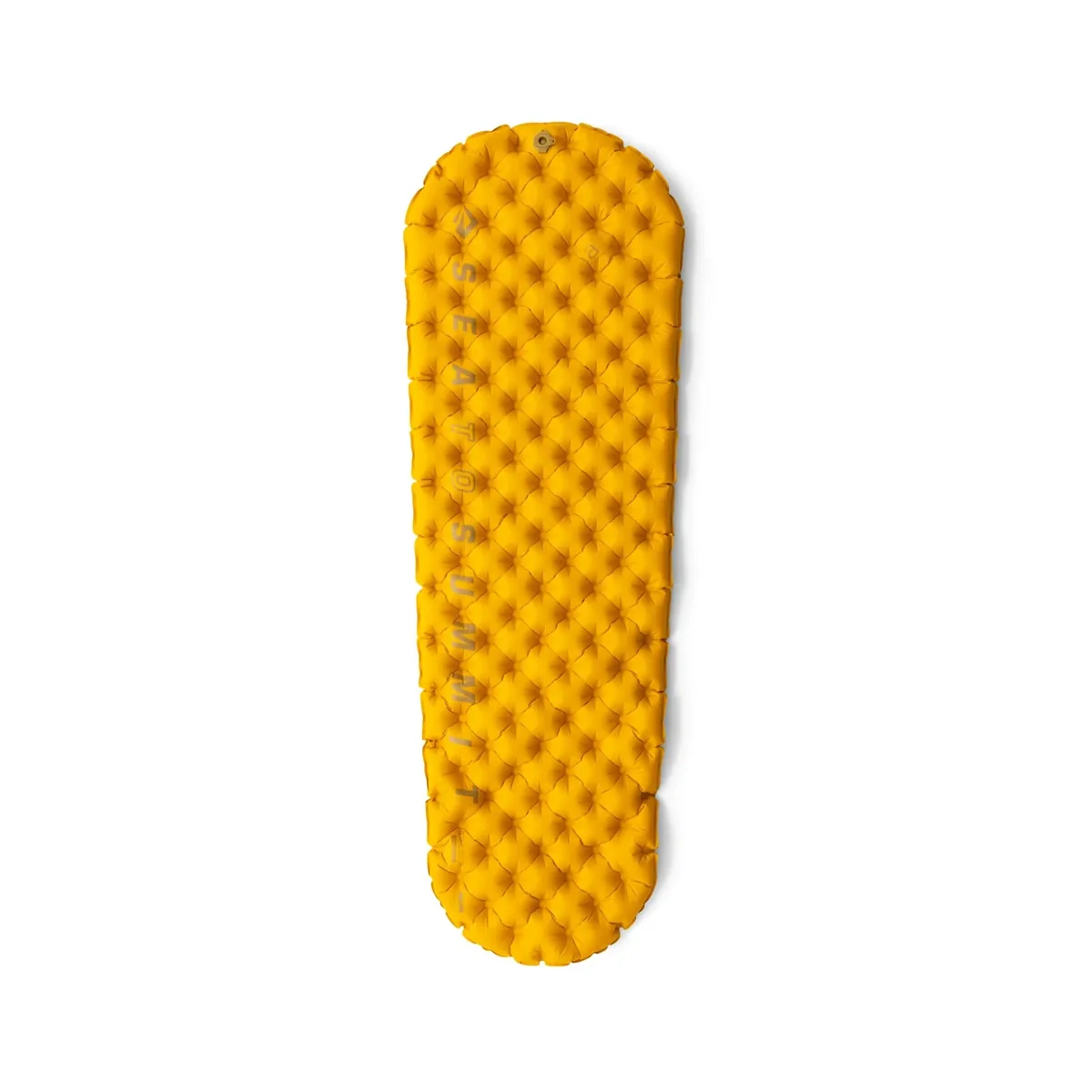
Sea to Summit
Sea to Summit Ultralight XR Insulated
The Ether Light's thinner, cheaper sibling: the same Air Sprung Cell grid at two and a half inches instead of four, 14.6 ounces, R-value 3.6, $149. The 22-inch width is the quiet advantage — two inches wider than most ultralight pads at this weight, which is worth more to a side sleeper than the last half-point of R-value. Hybrid 30- and 40-denier nylon top and bottom, which is a little more fabric than the lightest pads carry.
Best for: Three-season backpacking on a budget that still cares about width
Full spec sheet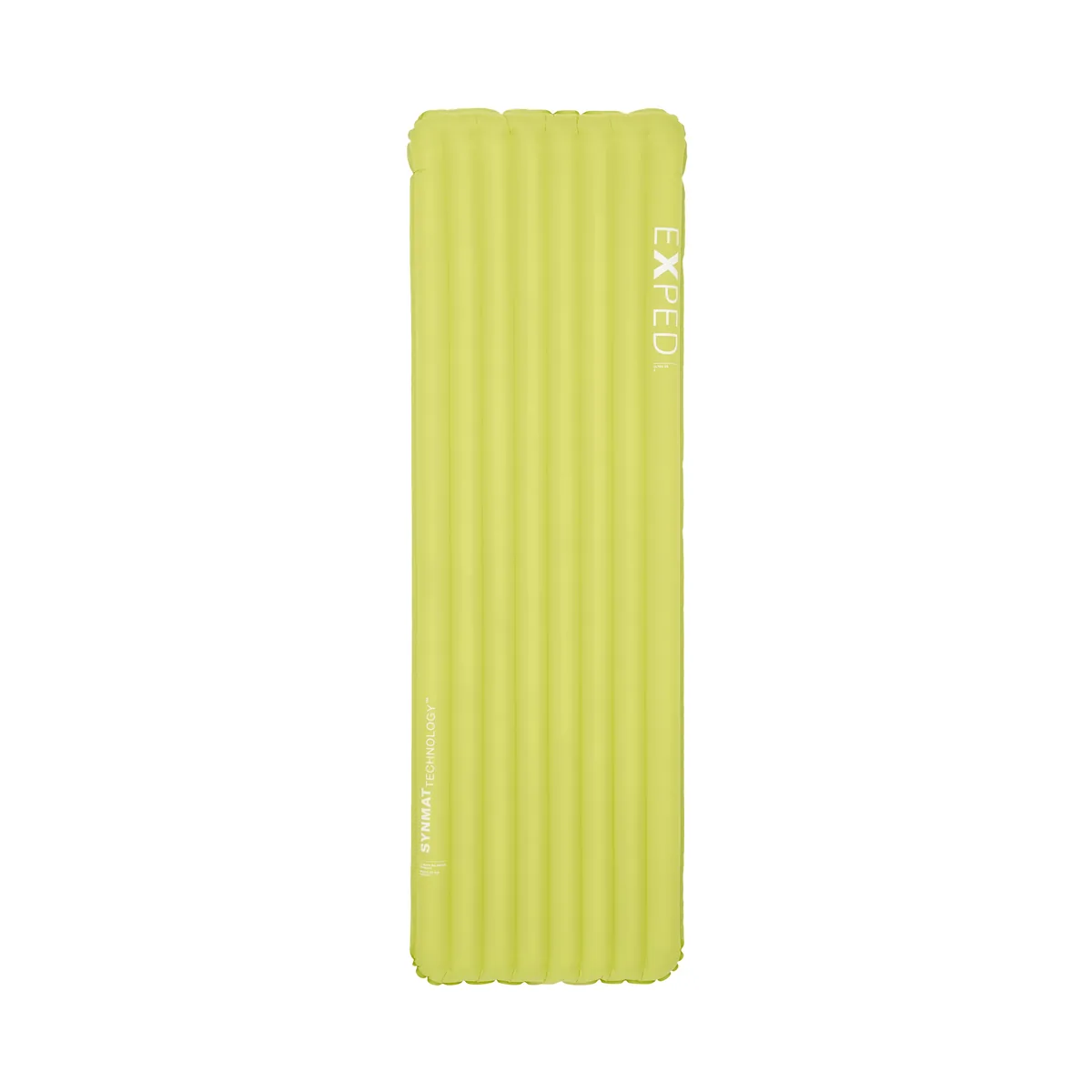
Exped
Exped Ultra 3R
Exped insulates with actual synthetic batting welded inside the air chambers rather than with reflective film, which is why their pads are silent and why they feel warm to the touch the moment you lie down instead of after ten minutes. The Ultra 3R is the three-season member: R-value 3.2, three inches thick, 16 ounces, and — unusually — the same price in every size, so a wide version costs nothing extra. The Schnozzel pump bag that comes with it doubles as a dry bag.
Best for: Three-season backpacking where pad noise is a dealbreaker
Full spec sheet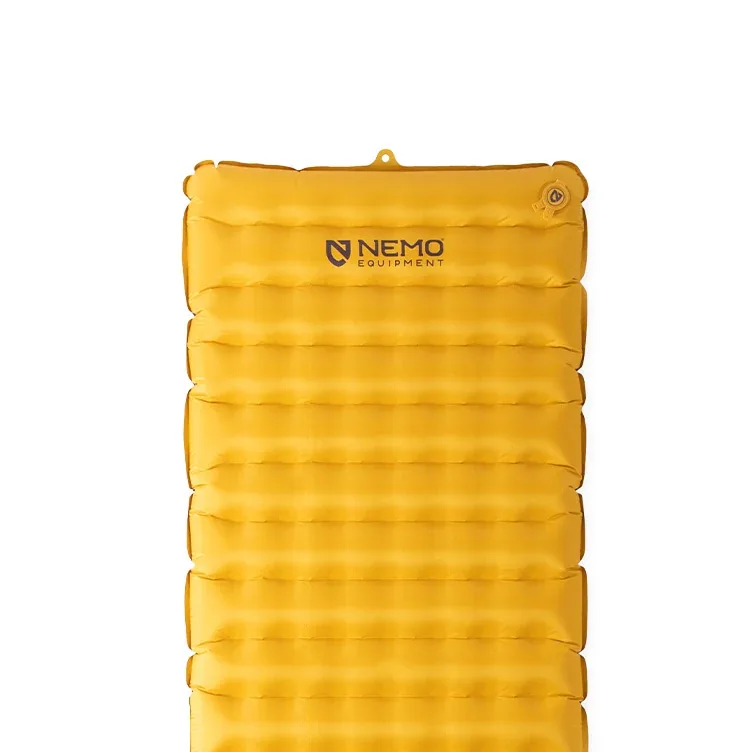
The summer member of the Tensor family: same 3.5-inch loft, same quiet suspended-film baffles, one layer of film instead of several, R-value 2.8. That is a proper three-season number in mild country and not enough for frost, and the pad is priced and weighted accordingly. For a summer sleeper who wants the Tensor's thickness and silence without paying for insulation they won't use, it is the sensible member of the line.
Best for: Summer backpacking where the ground never freezes
Full spec sheet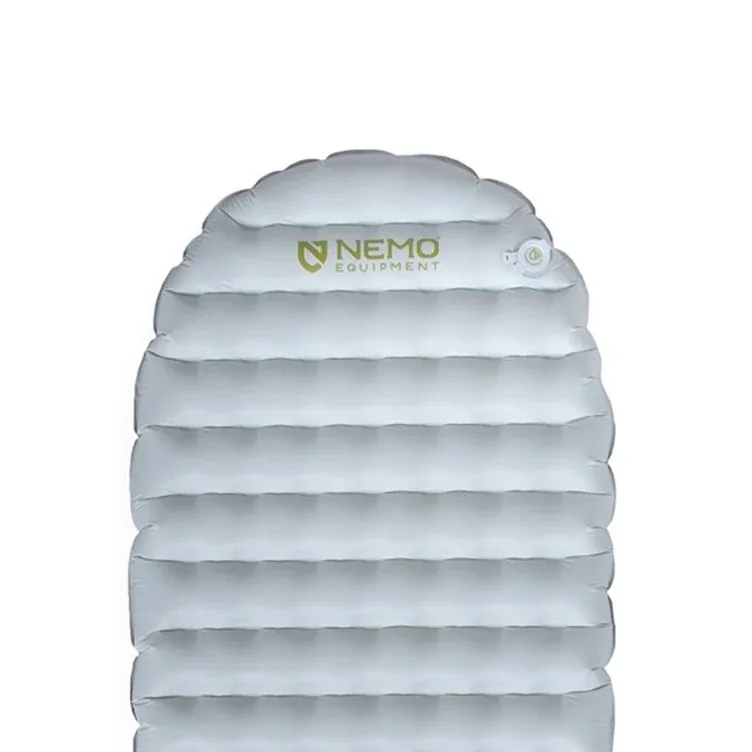
Eight and a half ounces, three inches thick, and a packed size of 5.5 × 3 inches — smaller than most people's water filter. The Elite is what happens when a pad is designed to win a spreadsheet: 10-denier fabric top and bottom, R-value 2.4, and a price that is higher than the warmer, tougher pads in the same family. It is a real product for a real use case — fast summer trips where the pack is the point — but the fabric is the thinnest here by a wide margin and it will not forgive a pine needle.
Best for: Summer fastpacking where packed size decides the kit
Full spec sheet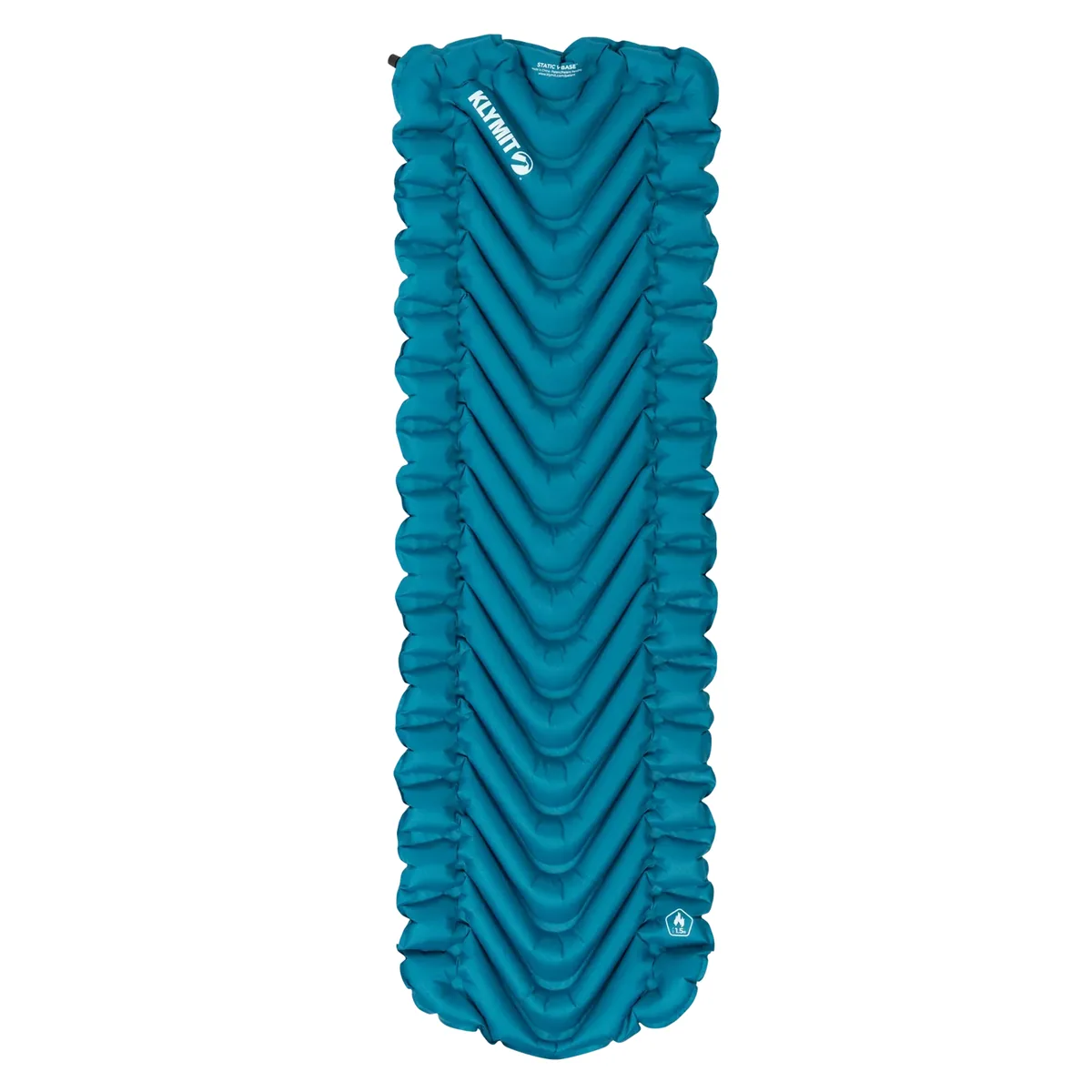
Klymit
Klymit Static V Base
Fifty dollars, 23 inches wide, and R-value 1.3 — which is the honest reason it costs fifty dollars. There is no insulation in it at all; the V-chamber pattern reduces air movement inside the pad, which helps a little, but on cold ground this loses heat fast. What it is good at is being cheap, wide, tough (75-denier polyester) and small enough to pack. For summer, for a spare, for a guest, or stacked on top of a foam pad, it earns its place. As a three-season pad it does not.
Best for: Warm-weather trips, spare pads and guests
Full spec sheet