Therm-a-Rest
12 entries here — 4 for on top of you and 8 for underneath, priced $60 to $470. The coldest-rated is the Therm-a-Rest Parsec 20 at 29 °F ISO comfort. The warmest pad is the Therm-a-Rest NeoAir XTherm NXT at R 7.3. The lightest thing they make here is the Therm-a-Rest NeoAir XLite NXT at 13 oz.
Therm-a-Rest
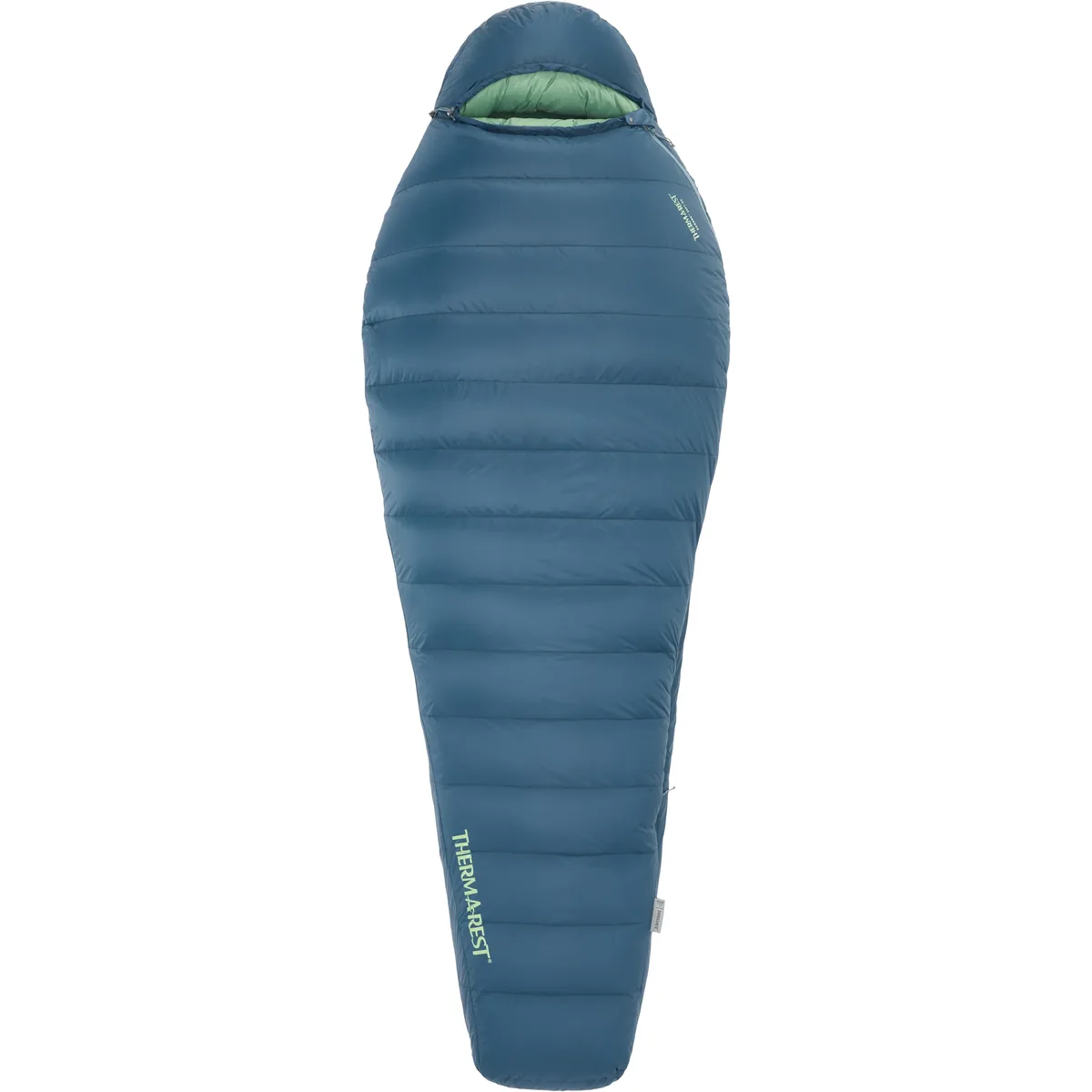
Therm-a-Rest Parsec 20
The Parsec is the lightest hooded mummy Therm-a-Rest makes, and the one entry here where the marketing number and the lab number sit only nine degrees apart — it is called a 20 and it tests to a 29 °F comfort figure and an 18 °F limit, which is about as close to truth-in-labelling as the 20-degree class gets. Seventeen ounces of 900-fill duck down inside a 20-denier recycled shell gets the whole bag to 29 ounces. The zoned baffles put more down on top and less underneath, on the correct theory that the down you lie on is doing nothing, and the shoulder girth is a generous 62 inches for a bag this light.
Best for: Three-season backpackers who want a hooded bag near quilt weight
Full spec sheet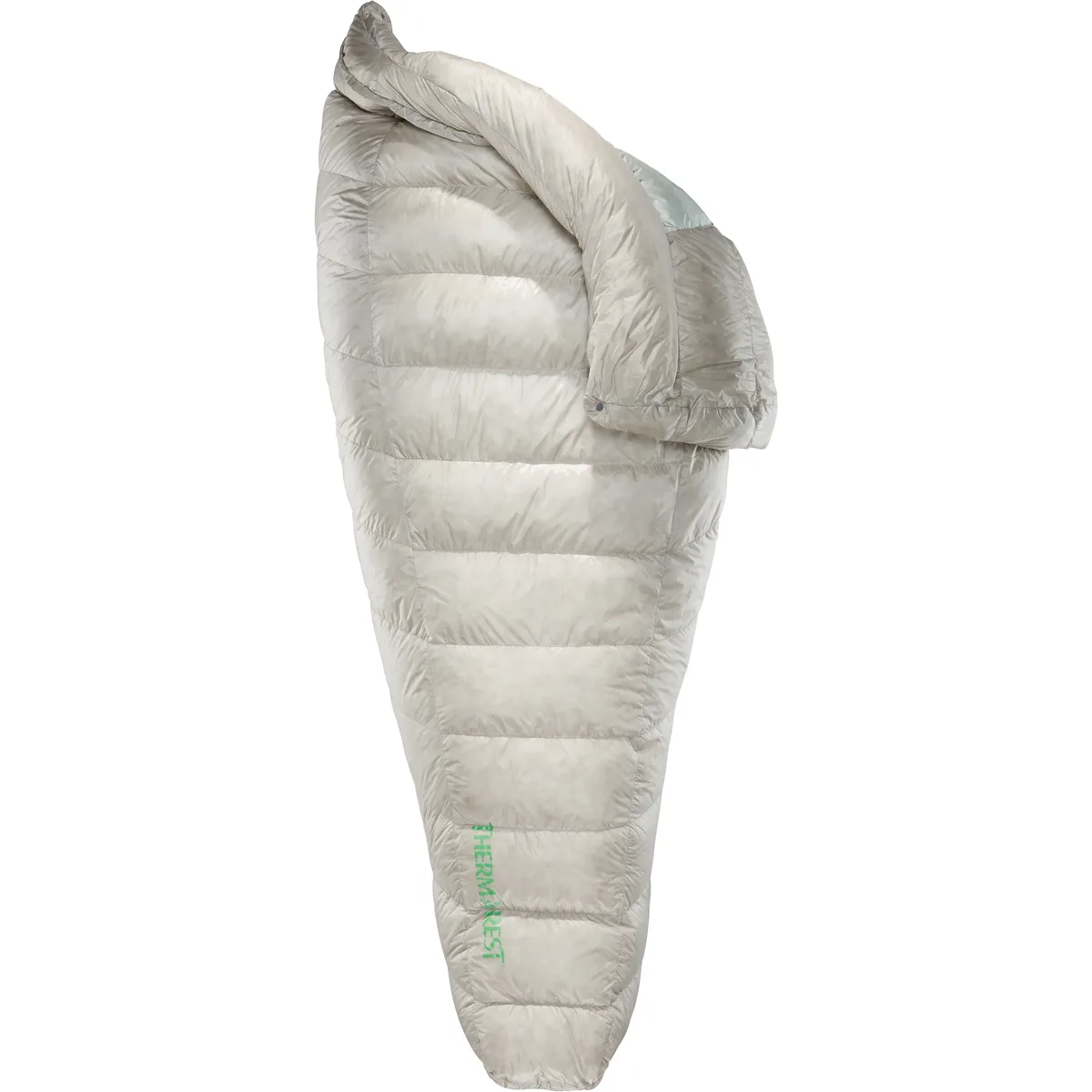
Therm-a-Rest
Therm-a-Rest Vesper 20 Quilt
Nineteen ounces, 900-fill goose down, a 10-denier shell and an EN comfort figure of 32 °F. The Vesper is one of the very few quilts from a mainstream brand that publishes a lab rating at all, and the number it publishes is worth reading carefully: a bag called a 20 that tests to a 32 °F comfort rating is a bag most people will feel cold in at 20. That is not a Therm-a-Rest problem, it is what the 20-degree label has always meant, and the Vesper is one of the few products honest enough to show its working. The SynergyLink straps are the good kind — they let the quilt float rather than pinning it flat.
Best for: Gram-counters who still want a published lab rating
Full spec sheet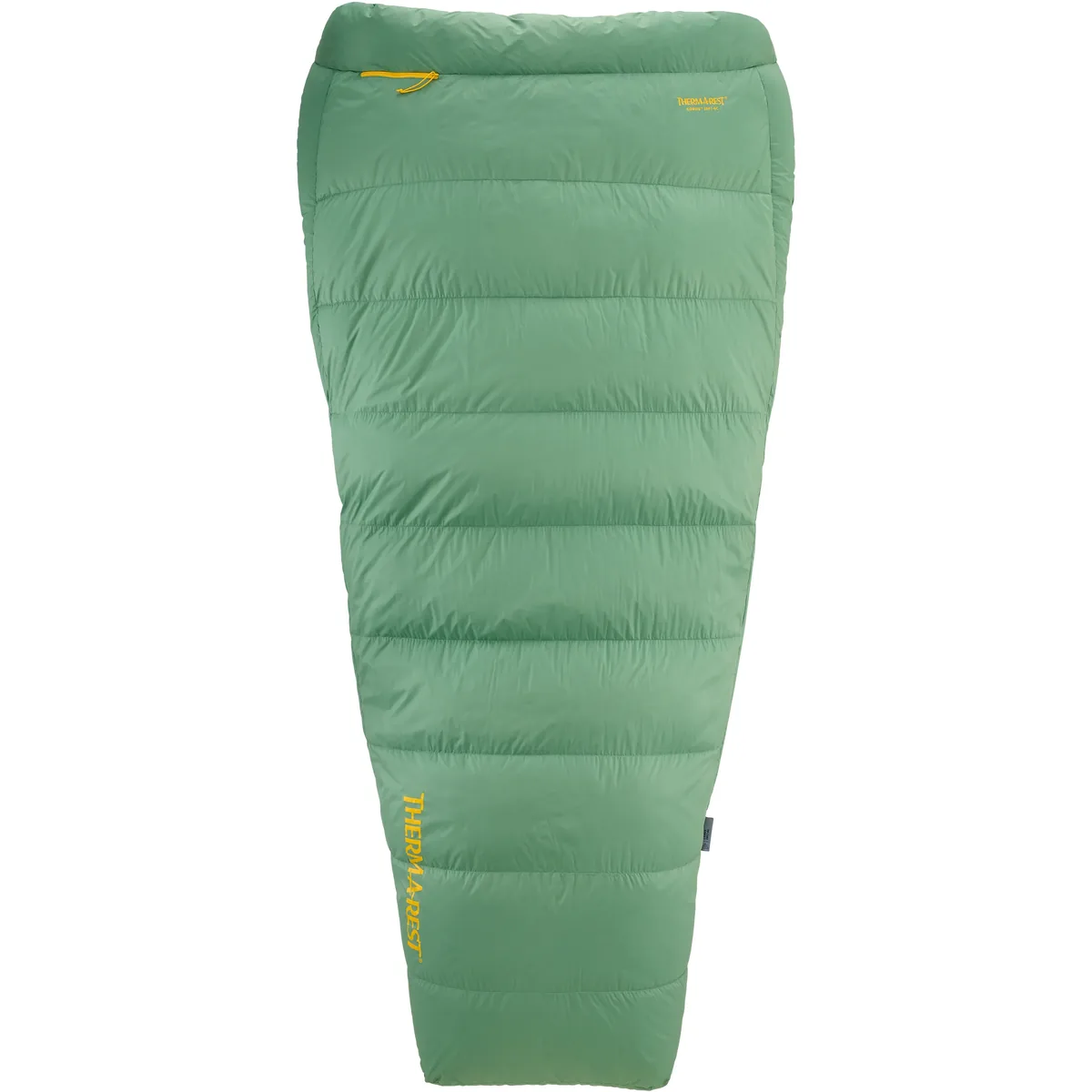
Therm-a-Rest
Therm-a-Rest Corus 20 Quilt
The Vesper's argument made in cheaper materials: same shape, same straps, same EN comfort rating of 32 °F, but 650-fill duck down inside a 20-denier shell instead of 900-fill goose down inside a 10. That costs seven ounces and saves $150, which for most weekend backpackers is the right side of the trade. The thicker shell is also more forgiving of the way quilts actually get used — dragged half-off the pad, sat on at breakfast, stuffed wet.
Best for: First-time quilt buyers who don't want to gamble $460
Full spec sheet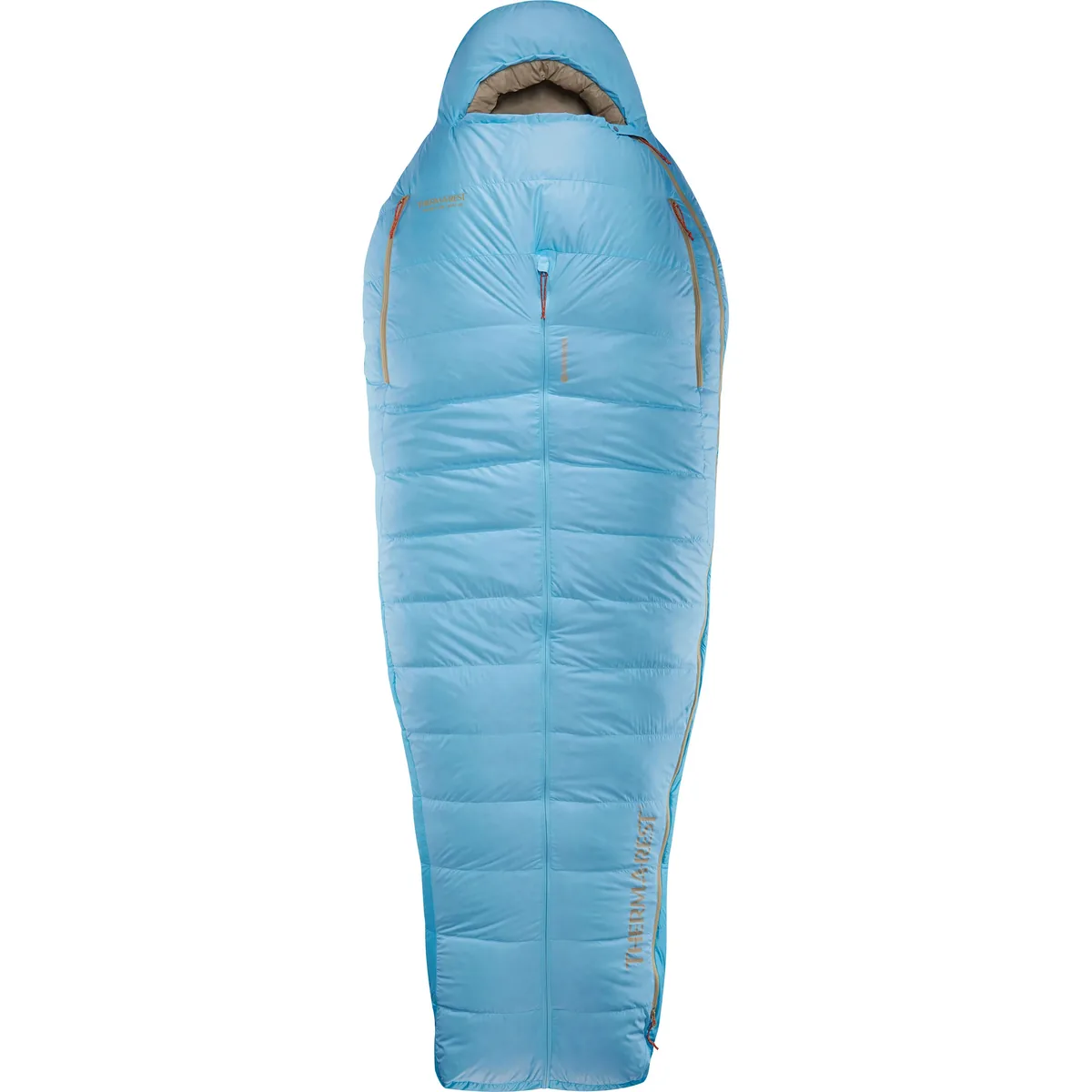
Therm-a-Rest
Therm-a-Rest Boost 650 20
Six sizes, three lengths in two widths, which is more fit choice than almost any other bag here offers and the reason the Boost is worth a look for anyone who has been cold in a standard mummy because they couldn't fill it — or trapped in one because they overfilled it. The Wide versions add eleven or twelve inches of shoulder girth, which is a genuinely different bag rather than a token option. The tradeoff is 650-fill down and 43 ounces in the Regular: heavy for backpacking, entirely reasonable for a bag that gets used a dozen nights a year.
Best for: Sleepers who have never found a mummy bag that fits
Full spec sheet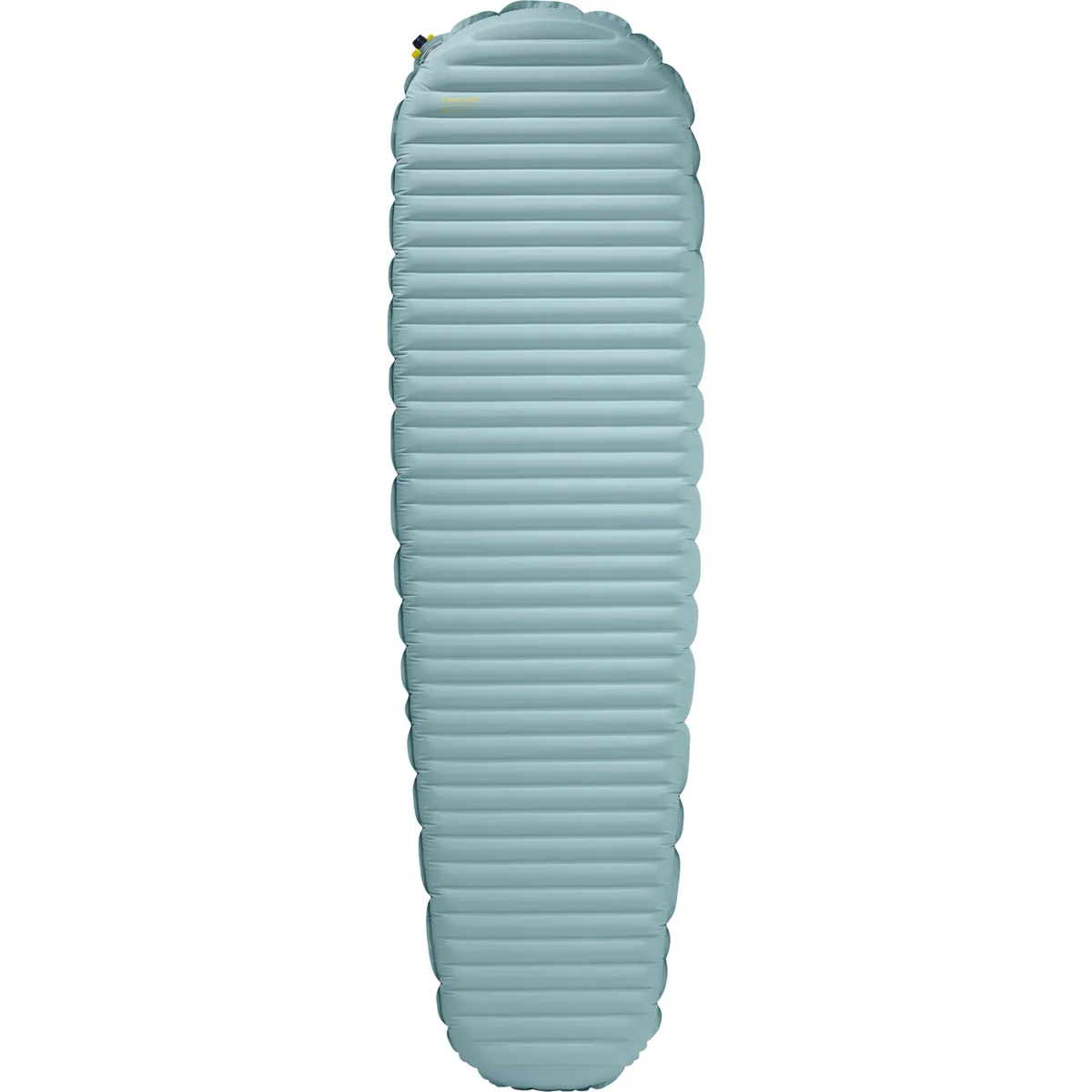
Therm-a-Rest
Therm-a-Rest NeoAir XTherm NXT
Add two and a half ounces to an XLite and you get a pad rated 7.3 — enough to sleep on snow — which is the trade that makes the XTherm the pad winter backpackers and shoulder-season sceptics buy instead. The extra warmth comes from more layers of the same reflective film rather than from bulk, so it packs almost as small and feels the same underneath. The 70-denier bottom fabric is a real upgrade over the XLite's 30D and the reason this one survives on crusted snow and scree. It is a lot of R-value to carry in July, and the honest answer for most three-season use is that it is more pad than the trip needs.
Best for: Winter and high-alpine trips where the ground is frozen
Full spec sheet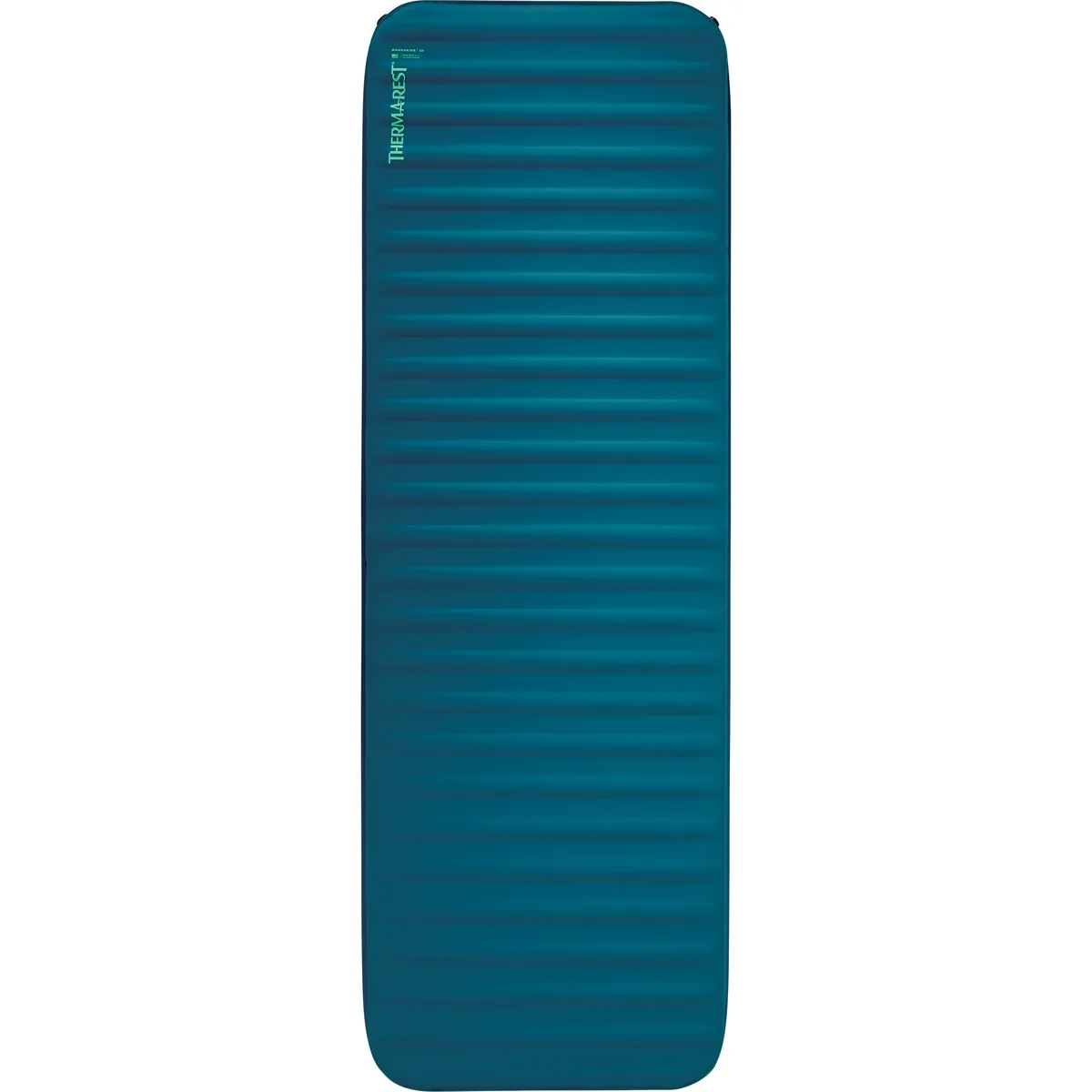
Therm-a-Rest
Therm-a-Rest MondoKing 3D
Four and a quarter inches of self-inflating foam, 25 inches wide, R-value 7. This is the pad that ends the argument about whether car camping has to be uncomfortable. It weighs four and a half pounds and rolls up to the size of a small duffel, so it never goes in a backpack, but nothing you can carry sleeps like it. The R-value is high enough for winter truck camping and cold cabin floors, and the stretch-knit top takes a fitted sheet.
Best for: Car camping and truck-bed sleeping in any season
Full spec sheet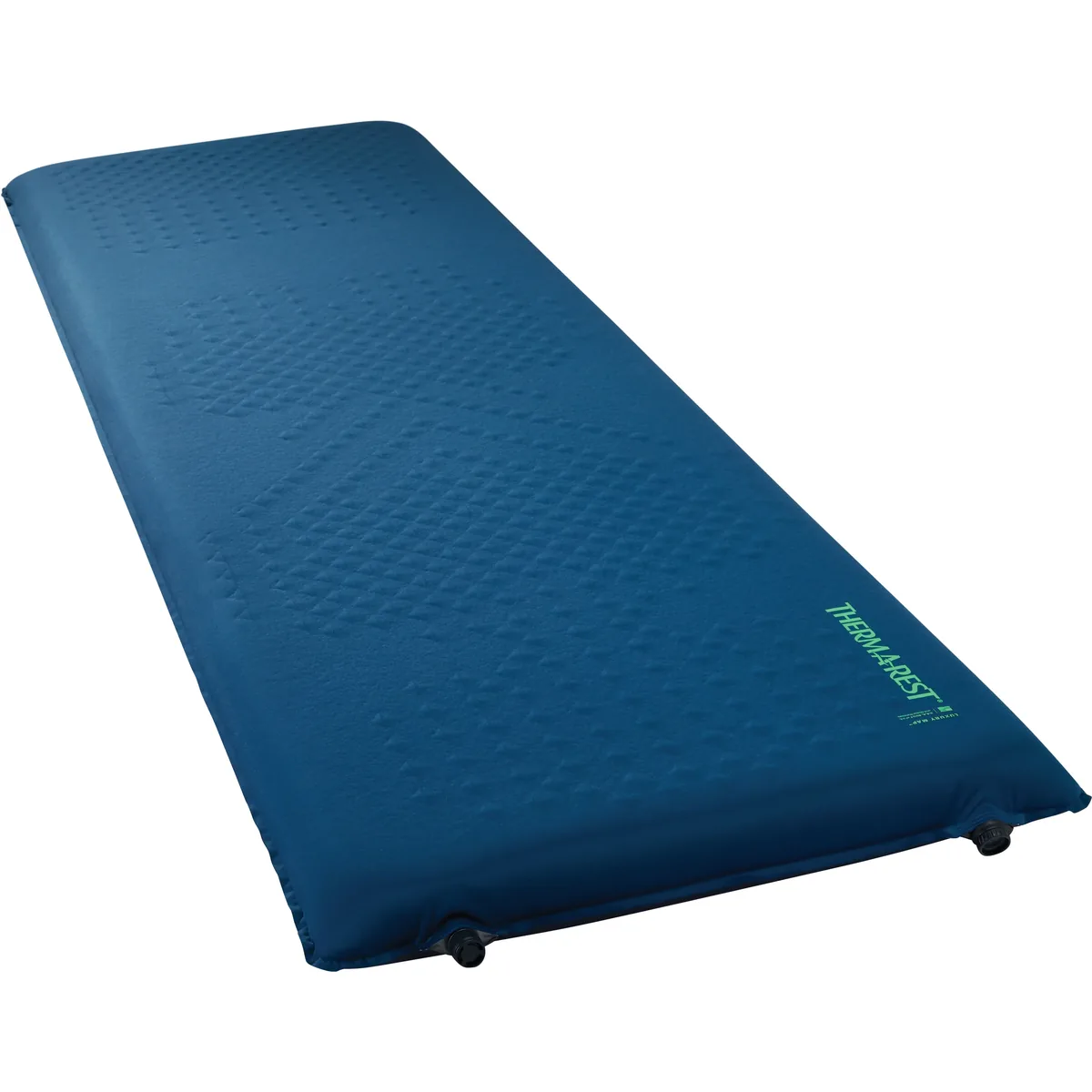
Therm-a-Rest
Therm-a-Rest LuxuryMap
The MondoKing's cheaper, thinner sibling, and the better buy for most campers. Three inches instead of four and a quarter, R-value 6 instead of 7, about a pound lighter and $40 cheaper in the comparable size. The trick in the name is that the foam is die-cut in different densities along the pad — firmer under the hips, softer under the shoulders — which is why it feels better than three inches has any right to.
Best for: Campground and basecamp sleeping without the MondoKing's bulk
Full spec sheet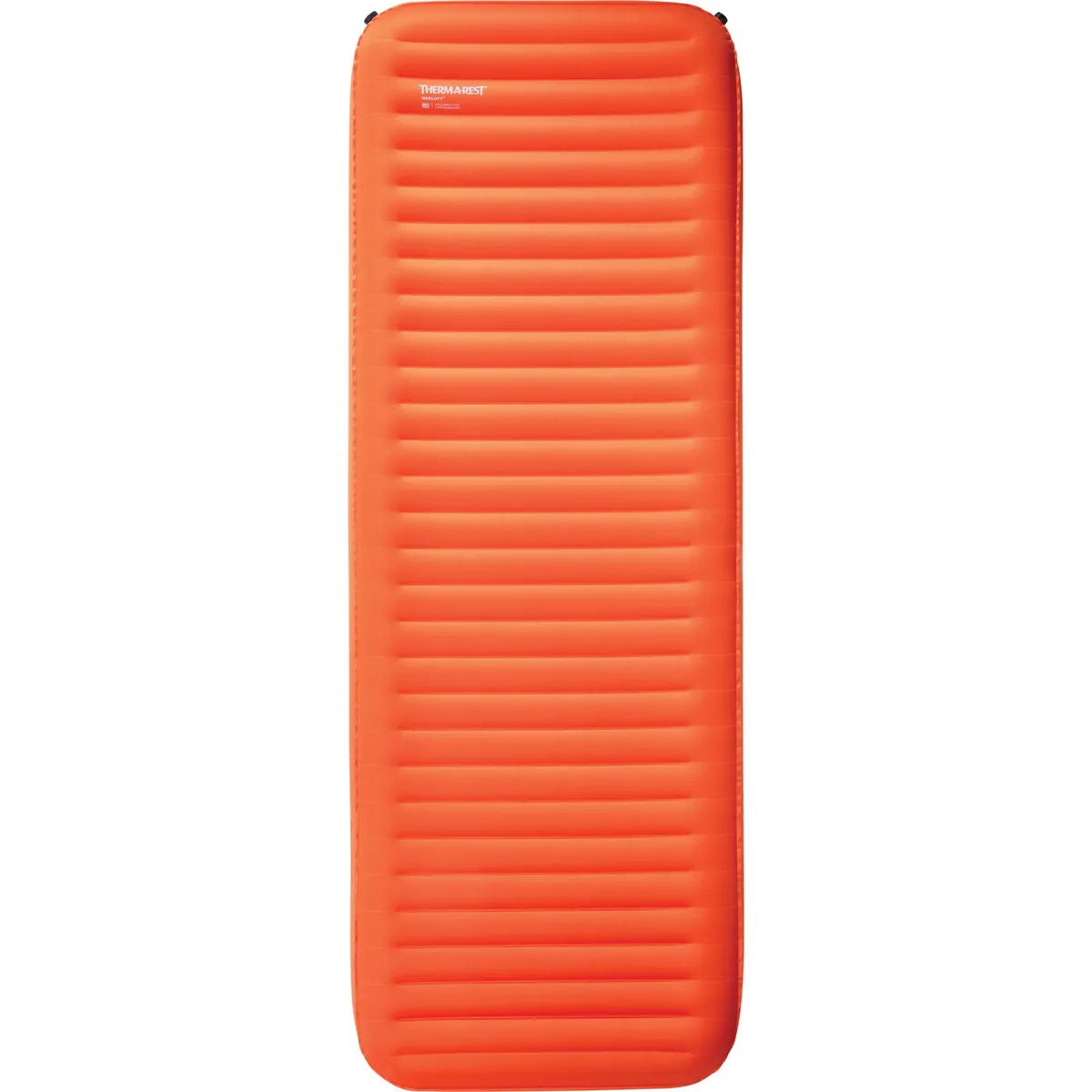
Therm-a-Rest
Therm-a-Rest NeoLoft
Therm-a-Rest's answer to the people who bought an XLite, slept badly on it and went back to car camping. The NeoLoft is 4.6 inches thick — nearly half again as deep as anything else you would carry on your back — with a 50-denier stretch-knit top that feels like fabric rather than a balloon, and it is two inches wider than a standard pad at 22 inches. It costs 12 ounces over an XLite for essentially the same warmth, which is the whole argument: this is comfort bought with weight, not warmth bought with weight. Side sleepers and anyone over about 200 pounds are the people it was built for.
Best for: Side sleepers who want a real mattress but still have to carry it
Full spec sheet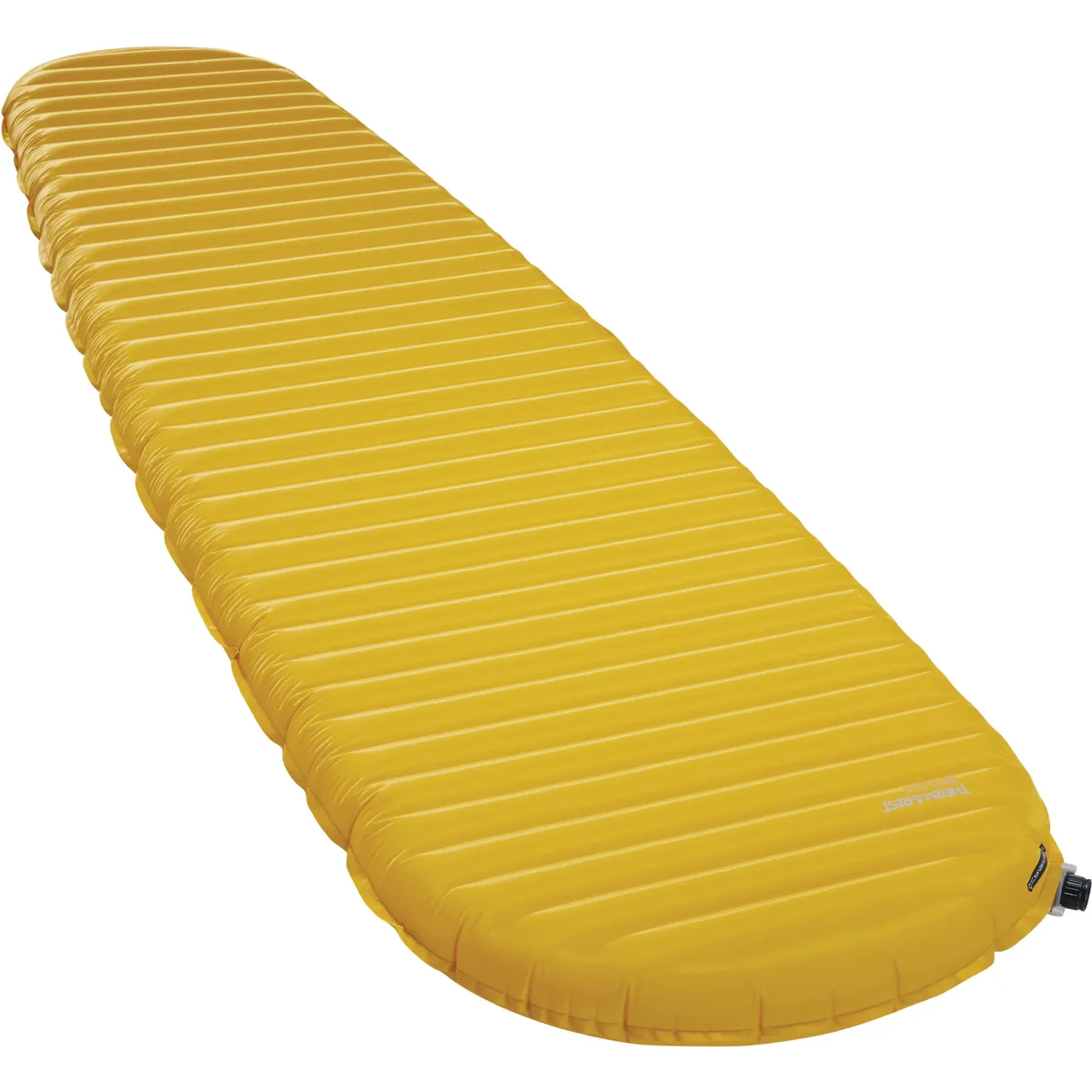
Therm-a-Rest
Therm-a-Rest NeoAir XLite NXT
The XLite has been the default long-distance backpacking pad for a decade, and the NXT revision is the version that finally answered the two complaints people had: it is quieter than the pad it replaced, and the R-value rose from 4.2 to 4.5 without adding weight. Thirteen ounces buys three inches of loft and a rating that covers shoulder-season nights on frozen ground, which is a combination nothing else in the catalogue matches at this weight. The WingLock valve dumps air in a couple of seconds and takes the included pump sack, so nobody has to blow moisture into the baffles. What you give up is durability margin: 30-denier fabric top and bottom is thin, and the pad wants a groundsheet or a foam layer under it on sharp ground.
Best for: Thru-hikers and three-season backpackers counting every ounce
Full spec sheet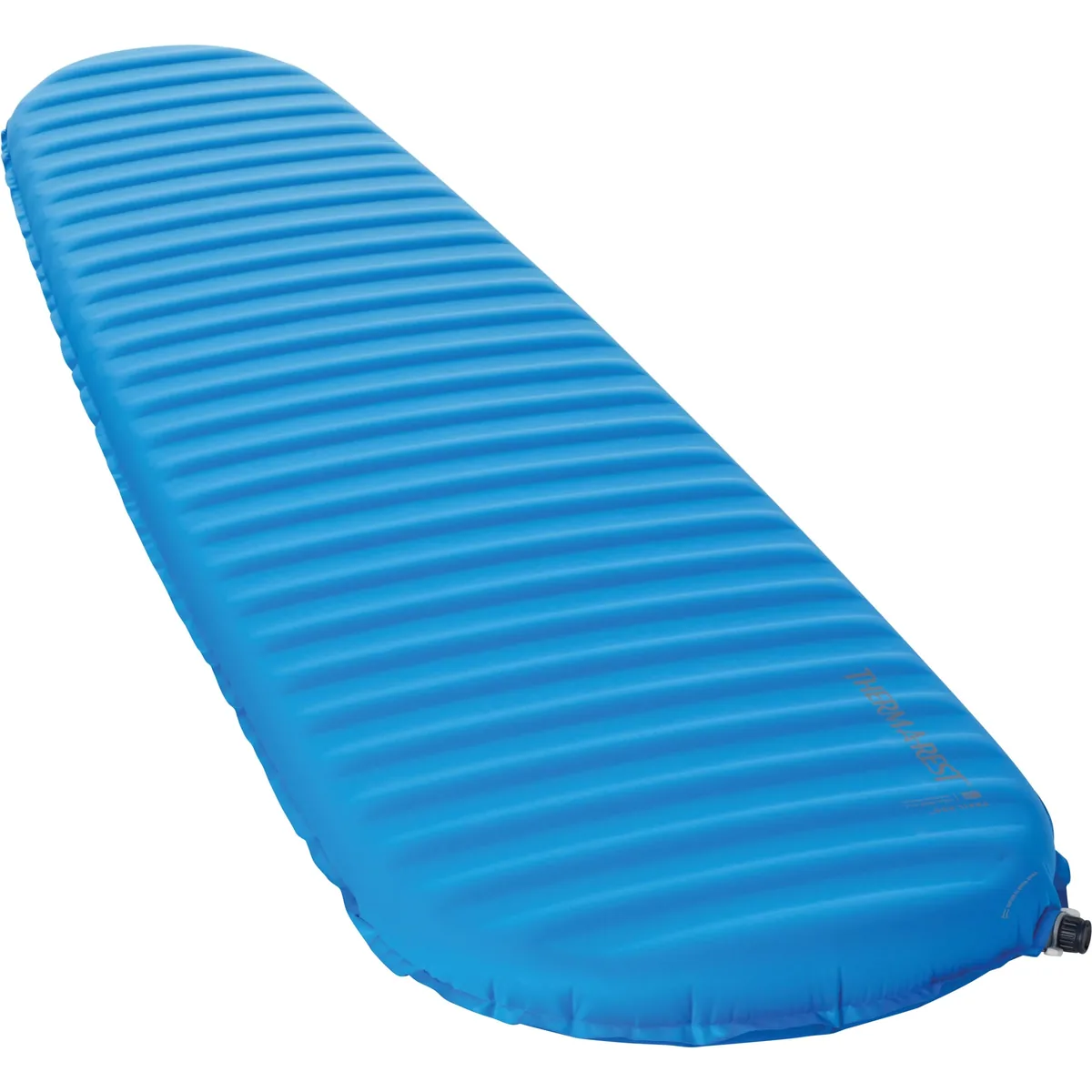
Therm-a-Rest
Therm-a-Rest Trail Pro
The Trail ProLite with another inch of foam and a soft stretch-knit face, which turns it from a serviceable pad into a comfortable one. Three inches and R-value 4.4 put it level with an XLite on both counts, at half the price and twice the weight — a trade that makes complete sense for weekend trips and none at all for a thru-hike. The knit top is the part people remark on: it does not feel cold or slippery against a bag, and it does not crinkle.
Best for: Weekend backpacking and basecamps where two extra pounds don't decide anything
Full spec sheet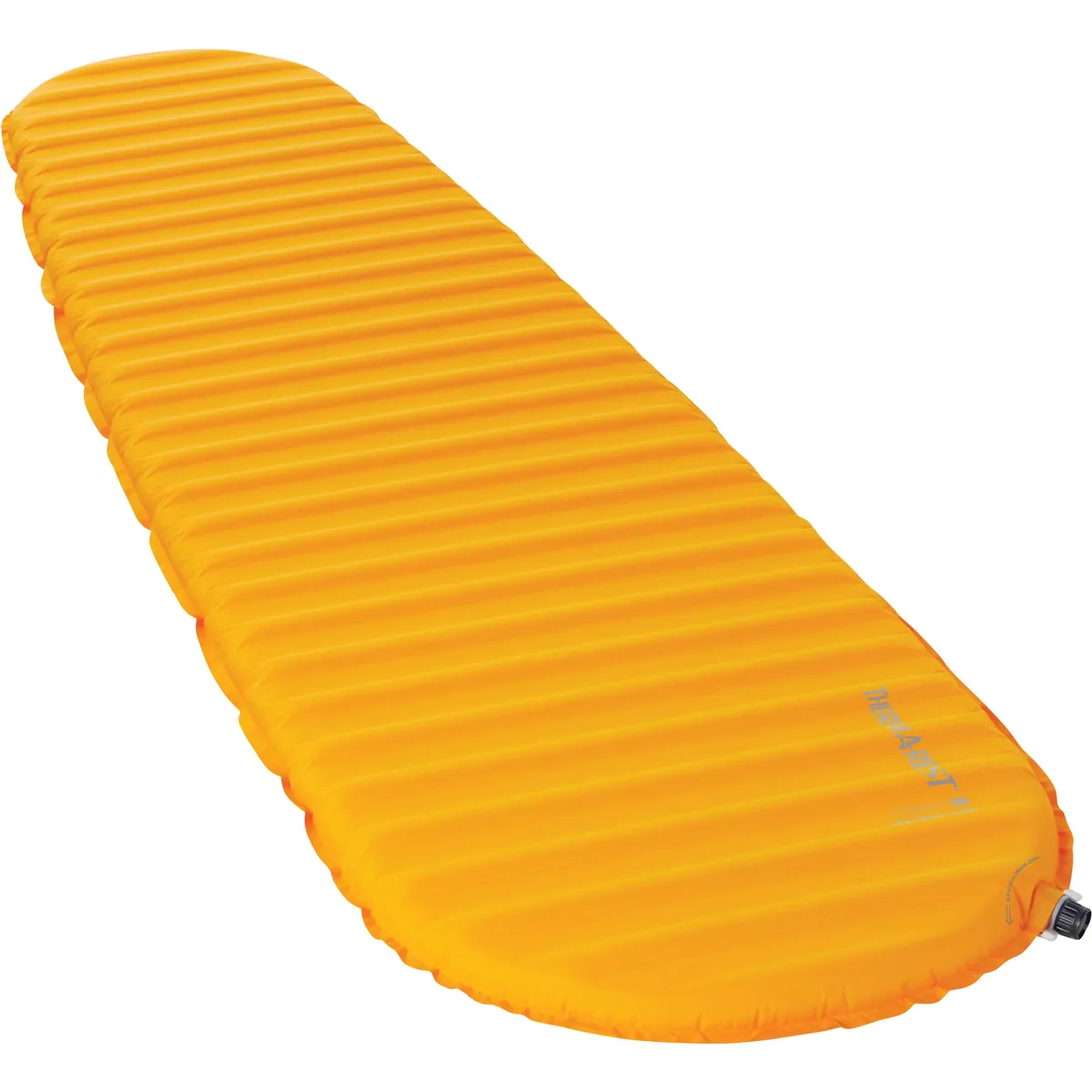
Therm-a-Rest
Therm-a-Rest Trail ProLite
The direct descendant of the original 1970s self-inflating mat, and still the pad to buy if you would rather have something that works than something that weighs less. Open the valve, walk away, come back to a pad that is most of the way there. Two inches is thin by modern standards and 24 ounces is nearly twice an XLite, but 75-denier polyester and foam-filled construction mean a pinhole is an inconvenience rather than a night on the ground — the foam still holds you up. R-value 3.8 covers three seasons honestly.
Best for: Backpackers who want a pad that still works after a puncture
Full spec sheet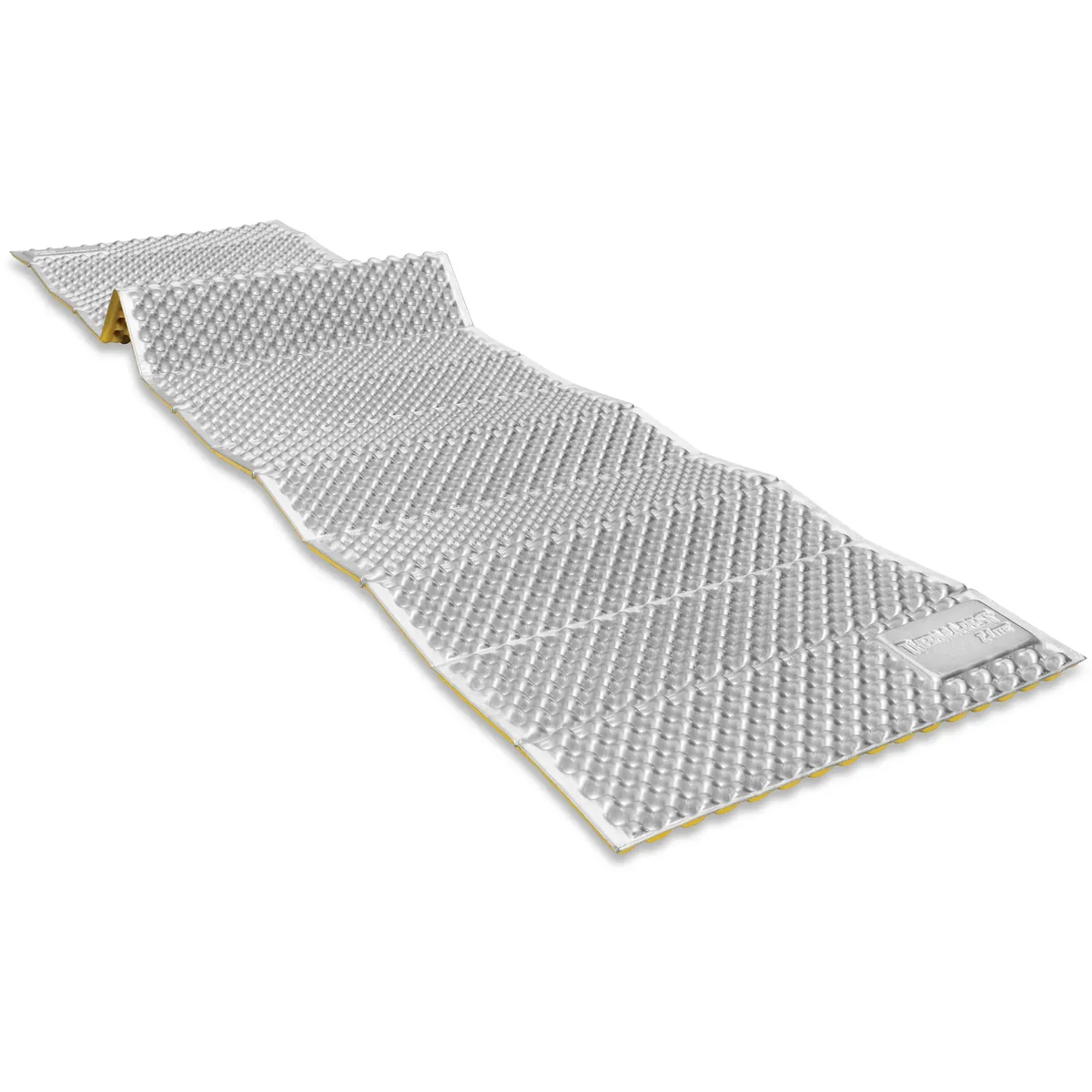
Therm-a-Rest
Therm-a-Rest Z Lite Sol
An accordion of dimpled foam that cannot be punctured, cannot leak, needs no valve and weighs 14 ounces. R-value 2 is genuinely marginal on its own once the ground drops below about 40 °F, and the three-quarter-inch thickness means hips and shoulders feel the ground — but nothing else in the catalogue is this indestructible or this cheap, and its second career is as the layer people put under an inflatable pad in winter to add roughly two points of R-value and protect the fabric. It also folds flat into a sit pad, a pack frame, and a splint, which is why it never quite leaves anyone's kit.
Best for: Foam sleepers, winter layering under an air pad, and anyone tired of leaks
Full spec sheet