Klymit
Klymit Static V Base
No citable owner-review average published for this one, so no stars.
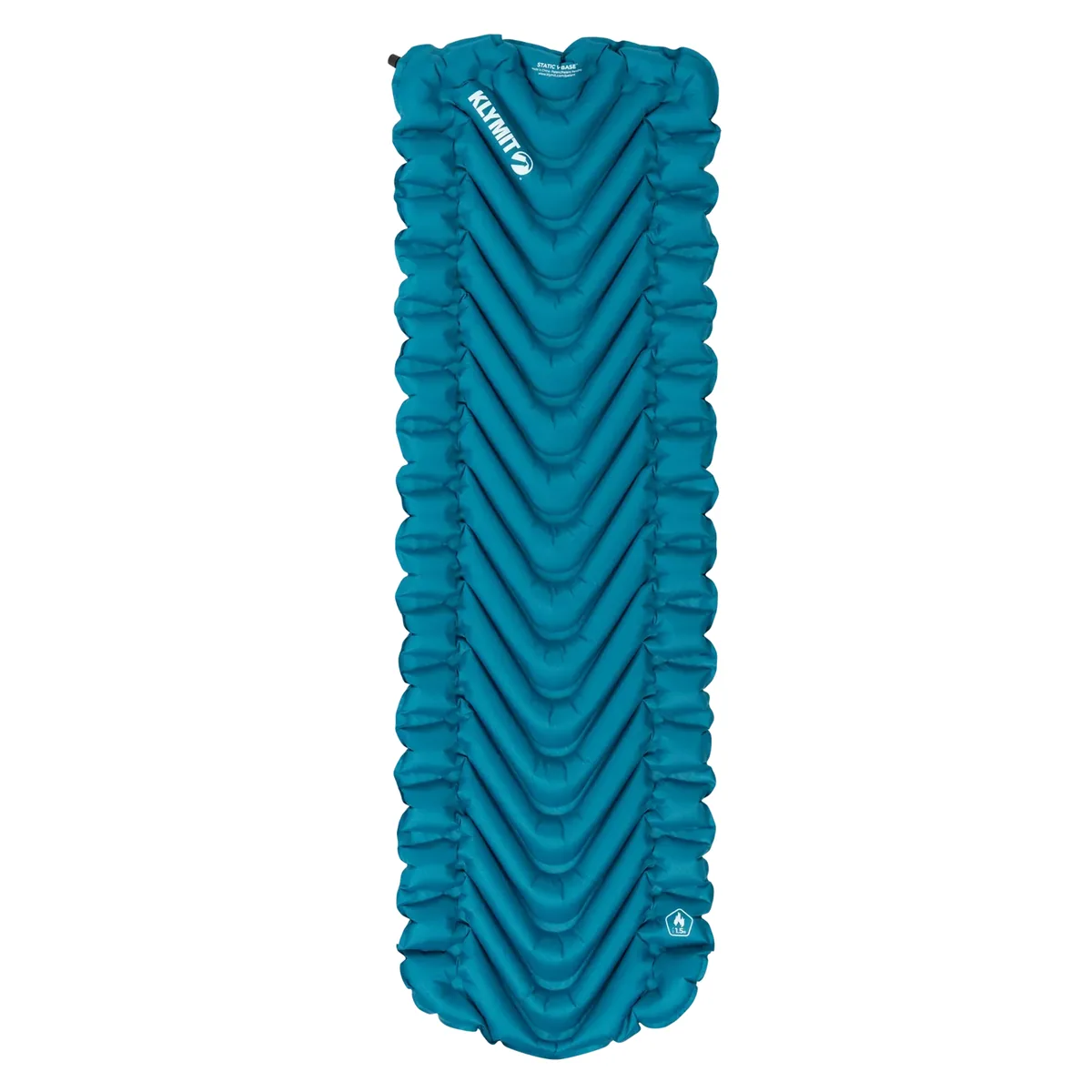
Fifty dollars, 23 inches wide, and R-value 1.3 — which is the honest reason it costs fifty dollars. There is no insulation in it at all; the V-chamber pattern reduces air movement inside the pad, which helps a little, but on cold ground this loses heat fast. What it is good at is being cheap, wide, tough (75-denier polyester) and small enough to pack. For summer, for a spare, for a guest, or stacked on top of a foam pad, it earns its place. As a three-season pad it does not.
What this pad supports
R 1.3 puts it in the summer band — warm ground only — above about 50 °f. On the pairing table it sits below even the summer row, which starts at R 2 for a 40 °F bag. Treat it as a warm-ground or spare pad rather than as the insulating half of a sleep system.
Specifications
Highlights
Features
- Rectangular option
- Repair kit included
- Wide option
What it does well
- $50 is a quarter of what most pads here cost, and it packs to 8 × 3 inches.
- 23 inches wide — wider than pads costing four times as much.
- 75-denier polyester is the toughest face fabric in this catalogue; it will outlive the lightweight pads.
- Klymit publishes the ASTM figure honestly rather than hiding it, which not every budget brand does.
What it costs you
- R-value 1.3 means no meaningful insulation — on ground below about 50 °F you will feel it through the pad.
- 18.7 ounces for an uninsulated pad is heavier than insulated pads at three times the price.
- Blow-up-by-mouth only; no pump sack is included, so moisture goes straight into the pad.
- Two and a half inches of loft with hard V-chambers is firm and not especially comfortable.
Those two lists are drawn from Klymit’s published specifications and from reviews that measured them. They are not owner sentiment — anything owners said appears under its own heading below.
What owners say
Distilled from owner discussions and long-term published reviews, not from anything measured here.
Klymit is the clearest cautionary tale in this whole catalogue about why a testing standard matters. Owners describe buying an insulated Static V advertised at R 4.4, and then Klymit publishing ASTM figures that put the same pad closer to 1.8 or 1.9. One owner found out only after the return window had closed.
That history colours everything said about the brand, and it is why the uninsulated Static V Base — honestly published at R 1.3 — gets a more sympathetic hearing than the insulated models do. What you see is what you get, and what you get is a cheap, tough, wide, uninsulated pad.
The warnings that go with a recommendation never vary: this is a summer pad or a spare, and no sleeping bag will compensate for sleeping on an R 1.3 pad in the cold.
What owners like
- It is genuinely cheap, and owners recommending it are clear that price is the reason.
- The V-chamber pattern and side rails get credit for keeping sleepers from rolling off.
- Owners treat it as a reasonable first pad or a spare, rather than as something to regret.
- Klymit did eventually publish ASTM figures for its line, which owners note as the right thing to have done.
- Owners building their own pad comparison tables include it as the value benchmark, which is a backhanded compliment but a real one.
Common complaints
- Its R-value is low enough that owners warn about it explicitly — no sleeping bag makes up for a pad this uninsulated.
- Klymit's pre-ASTM R-value claims are a live sore point: owners report buying an "R 4.4" pad that later tested at about 1.8 or 1.9 under the standard.
- At least one owner bought a pad believing it was cold-weather capable and found out only after the return window closed.
- Side sleepers report actively disliking it, in one case having moved to a different brand entirely.
Questions owners ask
Were Klymit's old R-values really wrong?
Is R 1.3 usable?
Is it comfortable?
Klymit Static V Base, head to head
Other pads at this level
More from Klymit →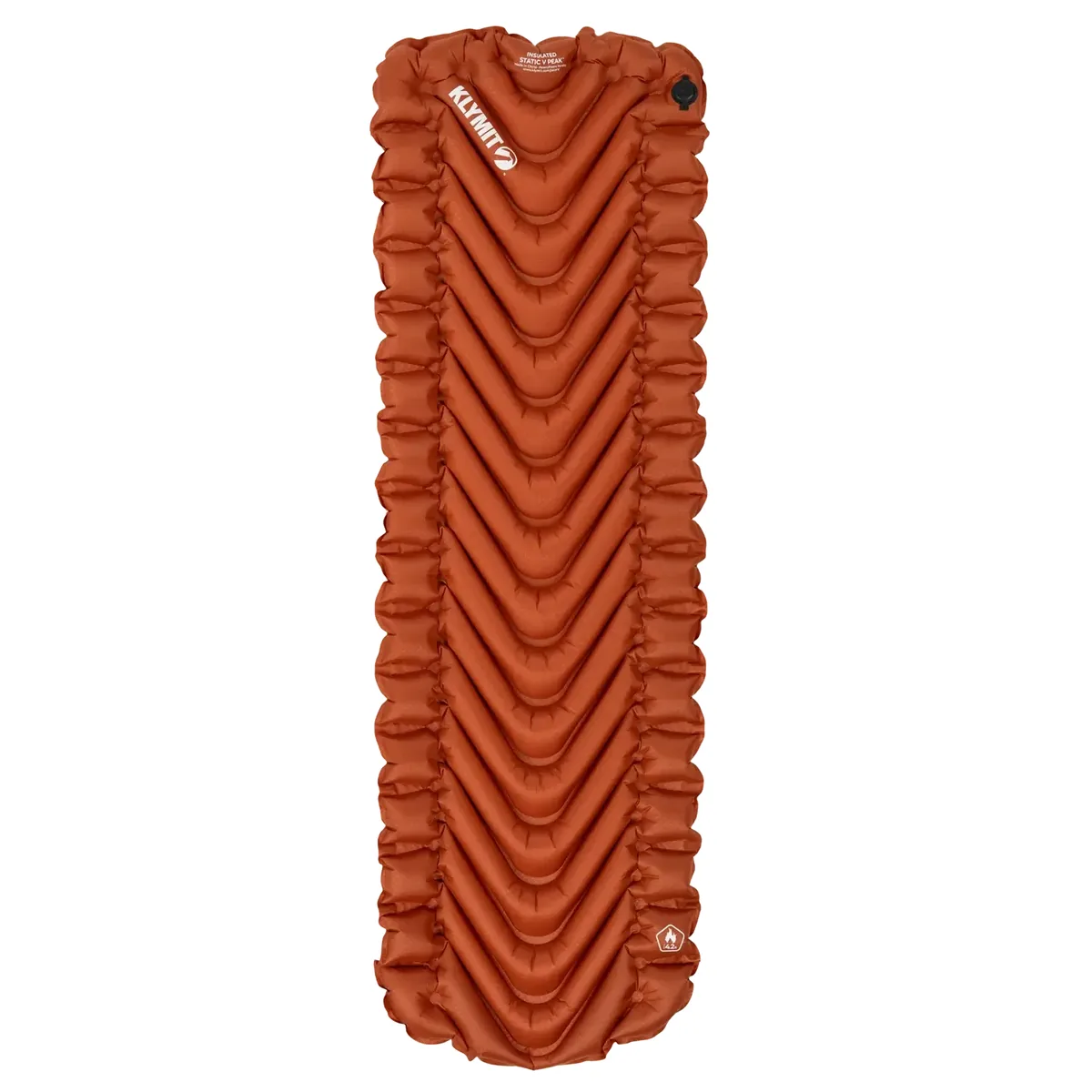
The insulated version of the Static V, and a much more interesting product: R-value 4.2 for $100, which is half what most pads with that rating cost. It gets there with both reflective film and Klymalite synthetic fill, and it keeps the 75-denier polyester and the 23-inch width. The compromises are the ones you would expect at the price — 22 ounces, only two and a half inches of loft, and a flip valve you inflate by mouth.
Best for: Three-season backpacking on a real budget
Full spec sheet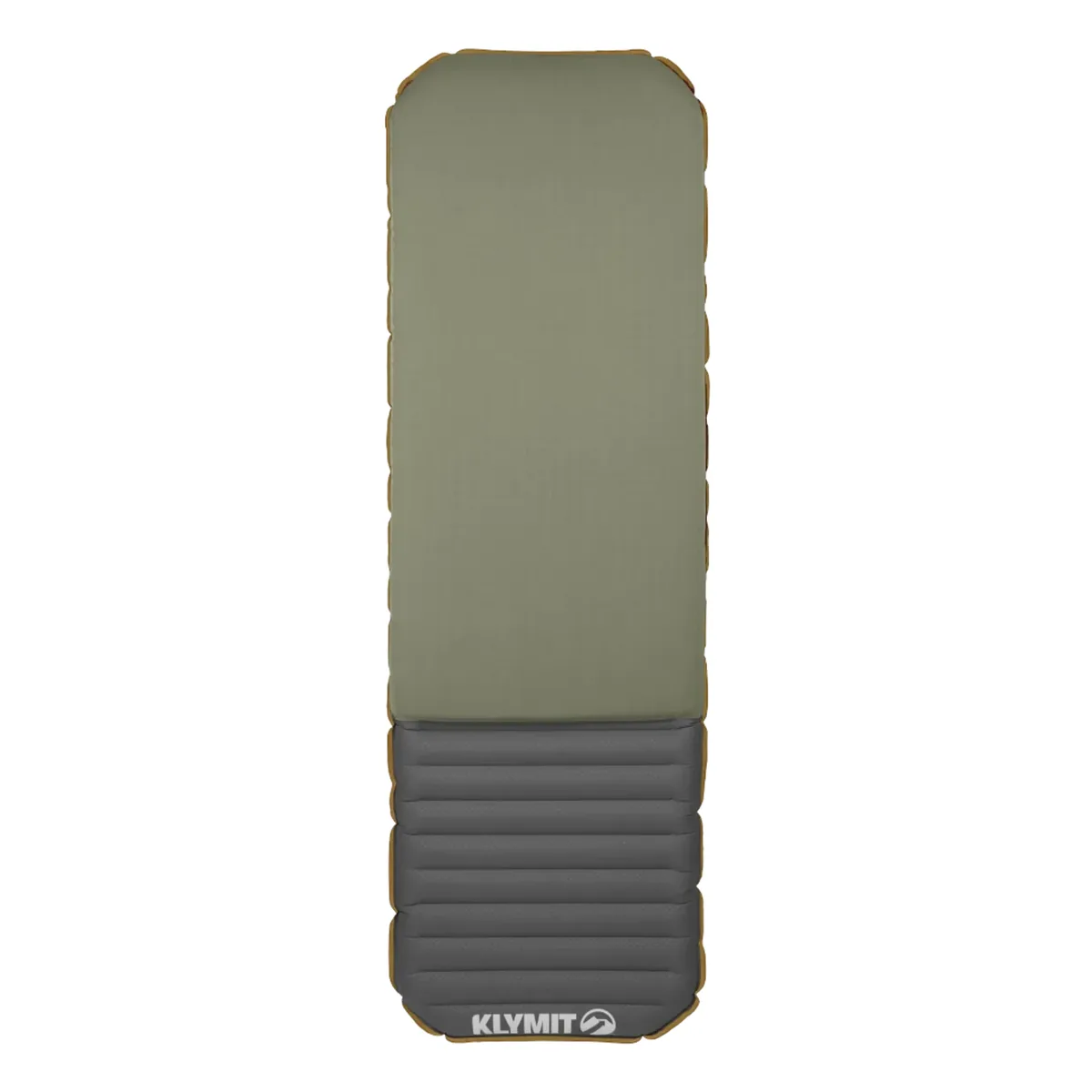
Klymit
Klymit Klymaloft Summit
A foam topper bonded over I-beam air chambers, which is a genuinely good idea: the foam takes the pressure points and the air takes the load. It is comfortable in a way that pure air pads are not. The thing to read carefully is the R-value — 2.4 is a summer number on a pad that looks and feels like a winter mattress, because the foam layer is comfort foam, not insulation. On a 40-degree campground night this will feel colder than its four inches of plush suggest.
Best for: Warm-weather car camping where comfort beats warmth
Full spec sheet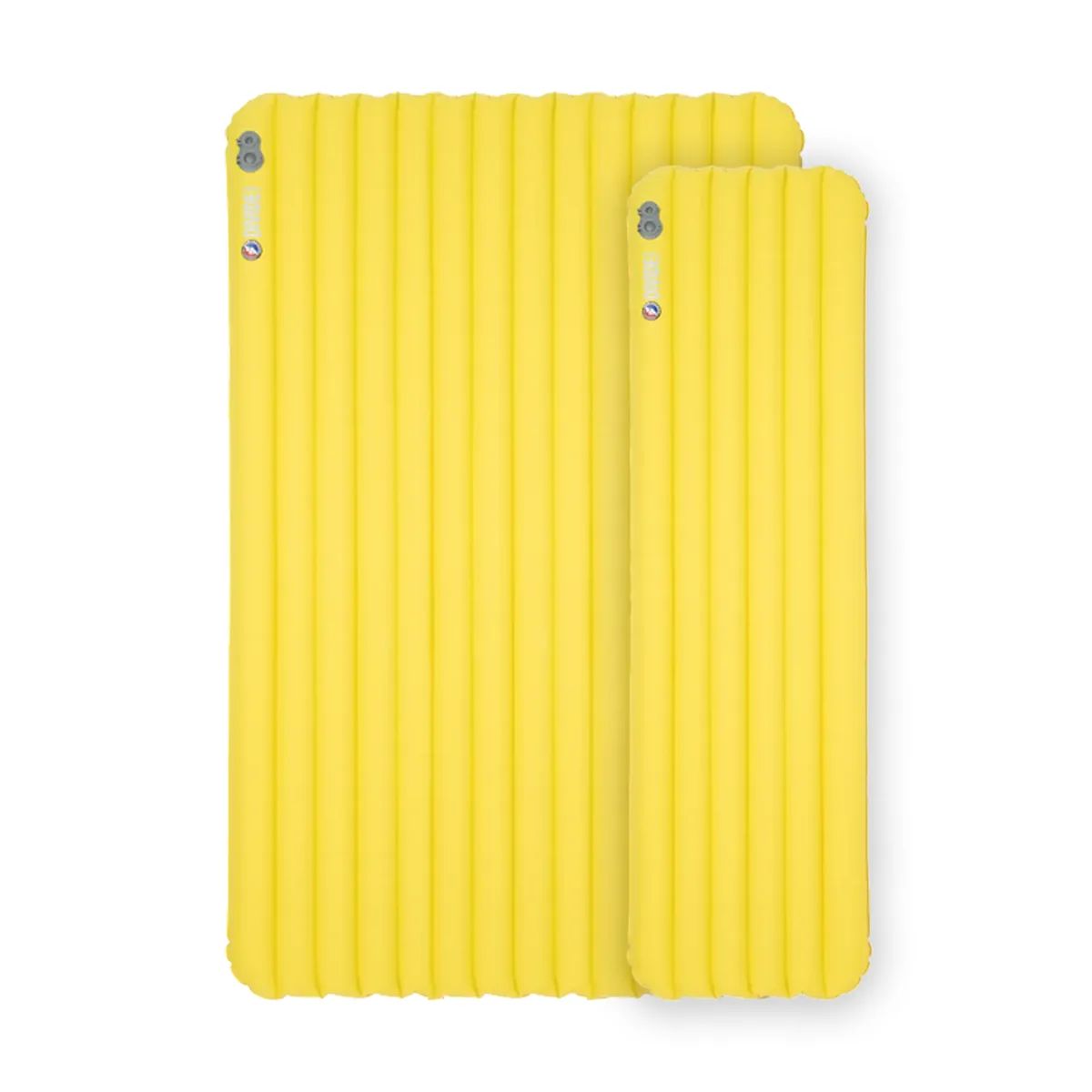
Big Agnes
Big Agnes Divide Insulated
The value entry in Big Agnes's insulated line, and one of the few air pads here that uses real synthetic insulation alongside the reflective film rather than film alone. R-value 4 for $110 is the cheapest insulated air pad in the catalogue, and the 50 × 78-inch version is a proper double for $229. Eight ounces heavier than the Zoom UL for $60 less, which is the whole proposition. Vertical baffles rather than the Rapide's offset rails, which makes for a flatter, less cradling surface.
Best for: First insulated pad, or a spare for guests
Full spec sheet