Therm-a-Rest
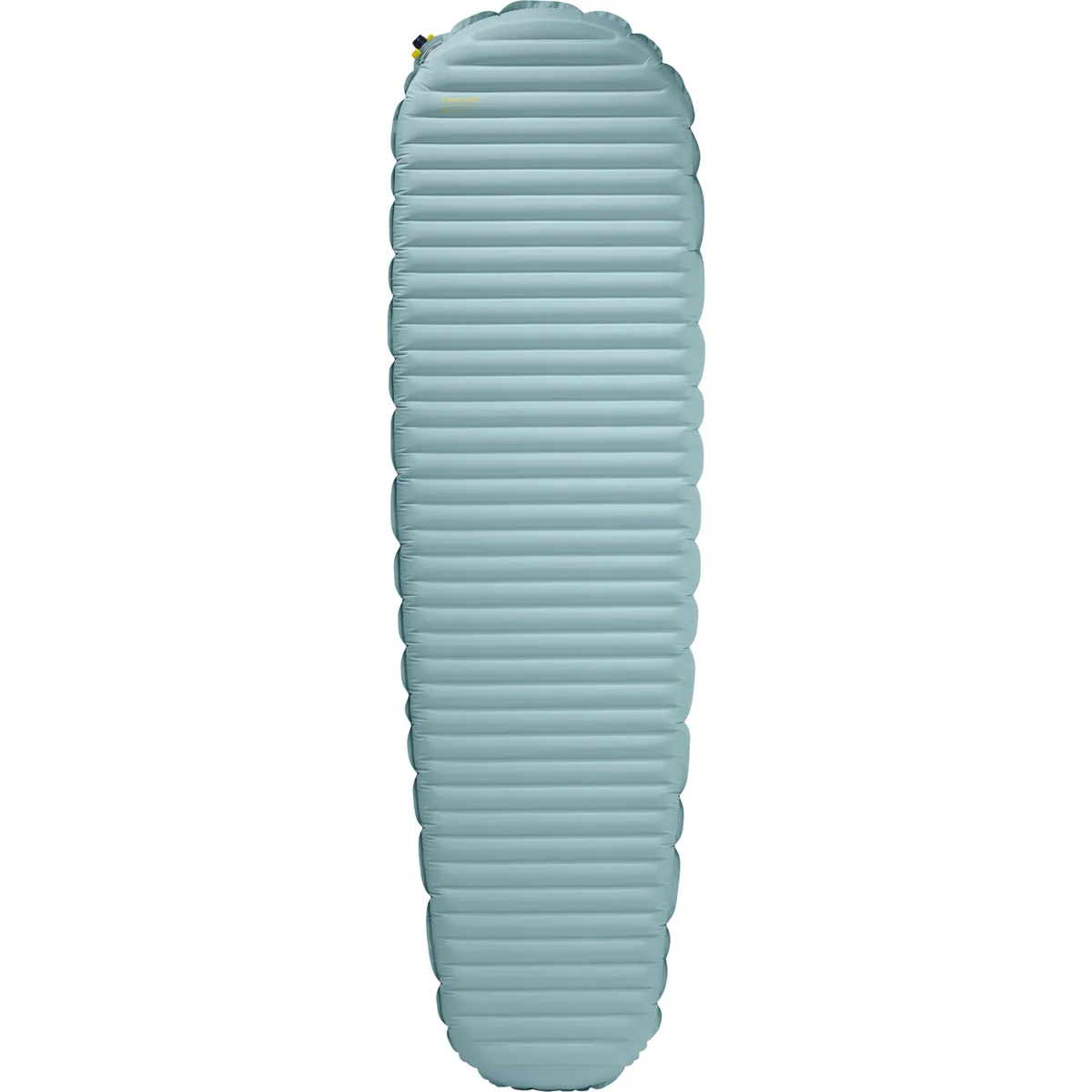
Therm-a-Rest NeoAir XTherm NXT
No citable owner-review average published for this one, so no stars.
Add two and a half ounces to an XLite and you get a pad rated 7.3 — enough to sleep on snow — which is the trade that makes the XTherm the pad winter backpackers and shoulder-season sceptics buy instead. The extra warmth comes from more layers of the same reflective film rather than from bulk, so it packs almost as small and feels the same underneath. The 70-denier bottom fabric is a real upgrade over the XLite's 30D and the reason this one survives on crusted snow and scree. It is a lot of R-value to carry in July, and the honest answer for most three-season use is that it is more pad than the trip needs.
What this pad supports
R 7.3 puts it in the winter band — snow and sustained sub-freezing ground. On the pairing table that supports a bag rated to roughly 0 °F comfort before the ground becomes the limiting factor.
Size run
One product, 3 sizes. The headline numbers on this page describe the Regular.
| Size | Weight | Approx. price | Length | Width |
|---|---|---|---|---|
| Regular | 15.5 oz | ~$230 | 72 in | 20 in |
| Regular Wide | 1 lb 3 oz | ~$250 | 72 in | 25 in |
| Large | 1 lb 4 oz | ~$270 | 77 in | 25 in |
Specifications
Highlights
Features
- Pump sack included
- Repair kit included
- Winter R-value
- Wide option
- Made in USA
- Under 1 lb
What it does well
- 7.3 R-value clears the winter threshold with room to spare, and at 15.5 ounces it does it for less weight than most three-season pads.
- The 70-denier bottom fabric is more than twice the XLite's, which is what lets it live on snow, ice crust and scree.
- Same 3-inch loft and same WingLock valve as the XLite, so nothing about the sleeping experience gets worse in exchange for the warmth.
- Only 2.5 ounces heavier than the XLite — the cheapest warmth upgrade per ounce anywhere in this catalogue.
- Packs to 9 × 4.5 inches, small enough that winter kit doesn't need a bigger pack to hold it.
What it costs you
- The extra film layers make it noticeably crinklier than the XLite, and that is the complaint that comes up most.
- $230 is a serious price for a pad you may only need three or four months of the year.
- Still 20 inches wide in the Regular, so the winter sleeping bag's loft hangs off the sides and gets compressed against the ground.
- Carrying 7.3 R-value on a summer trip is dead weight; it is a specialist pad pretending to be a do-everything one.
Those two lists are drawn from Therm-a-Rest’s published specifications and from reviews that measured them. They are not owner sentiment — anything owners said appears under its own heading below.
What owners say
Distilled from owner discussions and long-term published reviews, not from anything measured here.
The XTherm occupies an unusual position in owner discussion: it is the pad people recommend when someone reports being cold, and it is also the pad people warn is louder than anything else they own. Both things are said by the same owners, often in the same sentence.
The warmth is not disputed. Cold sleepers who had been cold at 35 °F on a three-season pad with a 30-degree quilt describe the XTherm as solving it outright. Its other reputation is durability — the contrast with the XLite is stark enough that owners remark on it, describing multi-year-old XTherms holding air through a dozen patches. That combination is why it turns up in winter kit lists far more often than its price would suggest.
The arguments against are weight, price and noise, in that order of how often they are raised — and in hot climates, straightforward overheating.
What owners like
- Durability is the standout in owner reports, and it is the opposite of the XLite's reputation — owners describe seven-year-old pads covered in patches that still will not die.
- Cold sleepers repeatedly describe it as the thing that fixed their problem after a three-season pad and a good quilt had not.
- Only a couple of ounces over an XLite for a huge jump in warmth, which owners cite as the reason they carry it in shoulder season too.
- The heavier bottom fabric gets specific credit for surviving crusted snow and rough ground.
Common complaints
- Loud. It comes up in almost every mention, including from owners who bought it anyway and say the noise does not bother them.
- Genuinely too warm in summer heat — owners in hot climates describe sweating on it and switching back to a lighter pad.
- It is a $230-plus pad, and the price comes up as the main reason people talk themselves into a three-season pad plus a foam layer instead.
- Still 20 inches wide in the standard version, so the width complaint that dogs the XLite applies here too.
Questions owners ask
Is the XTherm too warm for summer?
How loud is it really?
Is it more durable than the XLite?
Does it need a foam pad underneath?
Therm-a-Rest NeoAir XTherm NXT, head to head
Other pads at this level
More from Therm-a-Rest →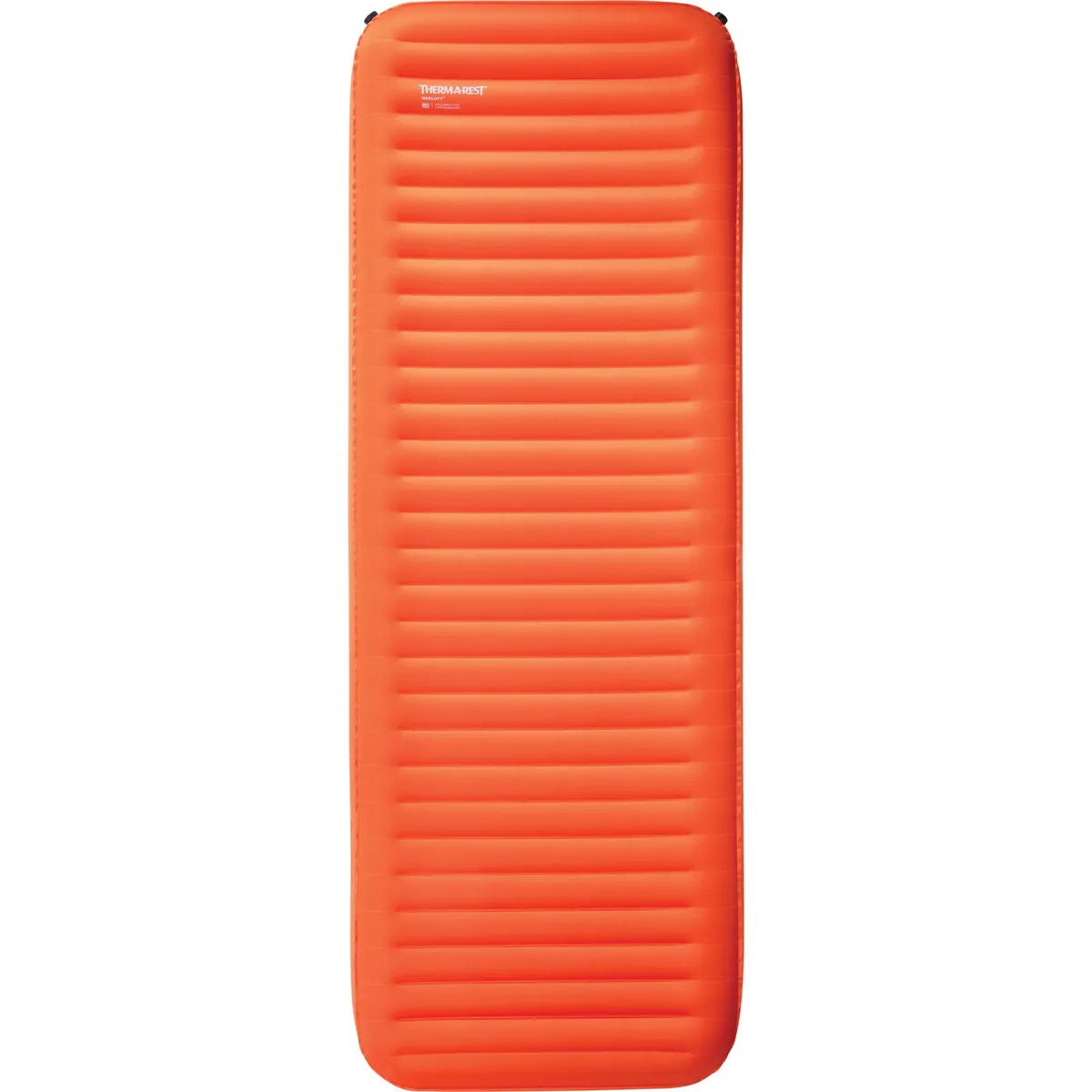
Therm-a-Rest
Therm-a-Rest NeoLoft
Therm-a-Rest's answer to the people who bought an XLite, slept badly on it and went back to car camping. The NeoLoft is 4.6 inches thick — nearly half again as deep as anything else you would carry on your back — with a 50-denier stretch-knit top that feels like fabric rather than a balloon, and it is two inches wider than a standard pad at 22 inches. It costs 12 ounces over an XLite for essentially the same warmth, which is the whole argument: this is comfort bought with weight, not warmth bought with weight. Side sleepers and anyone over about 200 pounds are the people it was built for.
Best for: Side sleepers who want a real mattress but still have to carry it
Full spec sheet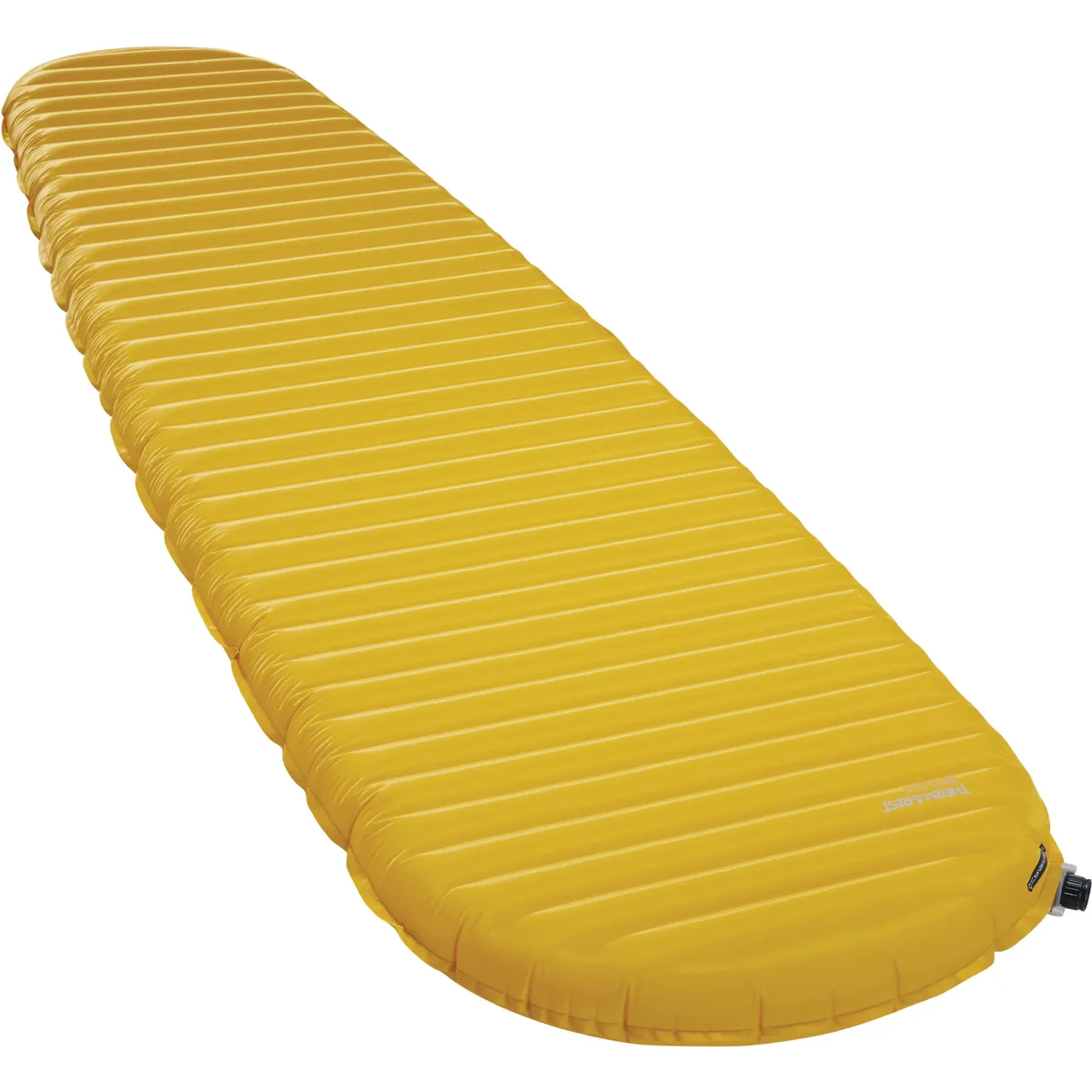
Therm-a-Rest
Therm-a-Rest NeoAir XLite NXT
The XLite has been the default long-distance backpacking pad for a decade, and the NXT revision is the version that finally answered the two complaints people had: it is quieter than the pad it replaced, and the R-value rose from 4.2 to 4.5 without adding weight. Thirteen ounces buys three inches of loft and a rating that covers shoulder-season nights on frozen ground, which is a combination nothing else in the catalogue matches at this weight. The WingLock valve dumps air in a couple of seconds and takes the included pump sack, so nobody has to blow moisture into the baffles. What you give up is durability margin: 30-denier fabric top and bottom is thin, and the pad wants a groundsheet or a foam layer under it on sharp ground.
Best for: Thru-hikers and three-season backpackers counting every ounce
Full spec sheet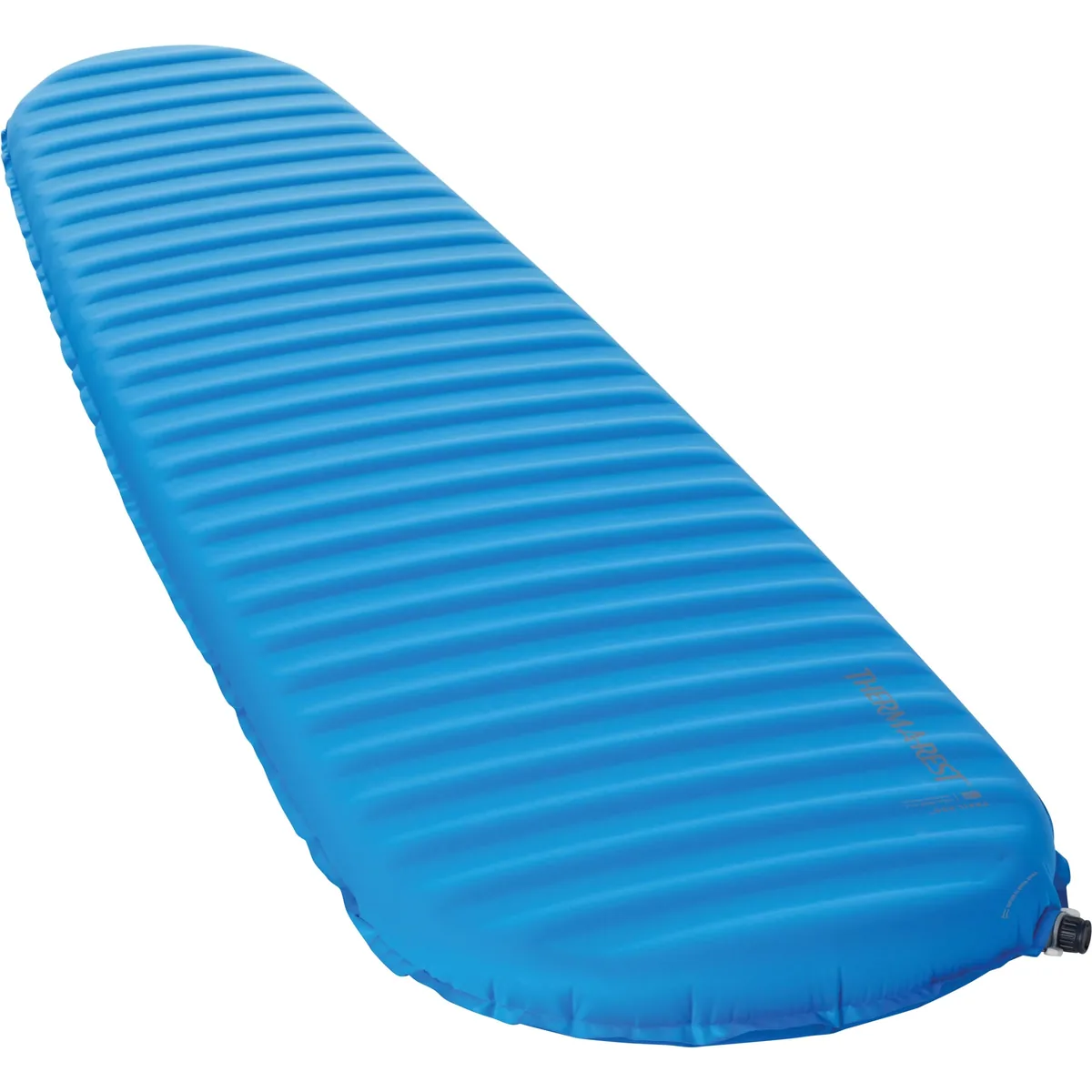
Therm-a-Rest
Therm-a-Rest Trail Pro
The Trail ProLite with another inch of foam and a soft stretch-knit face, which turns it from a serviceable pad into a comfortable one. Three inches and R-value 4.4 put it level with an XLite on both counts, at half the price and twice the weight — a trade that makes complete sense for weekend trips and none at all for a thru-hike. The knit top is the part people remark on: it does not feel cold or slippery against a bag, and it does not crinkle.
Best for: Weekend backpacking and basecamps where two extra pounds don't decide anything
Full spec sheet