Therm-a-Rest
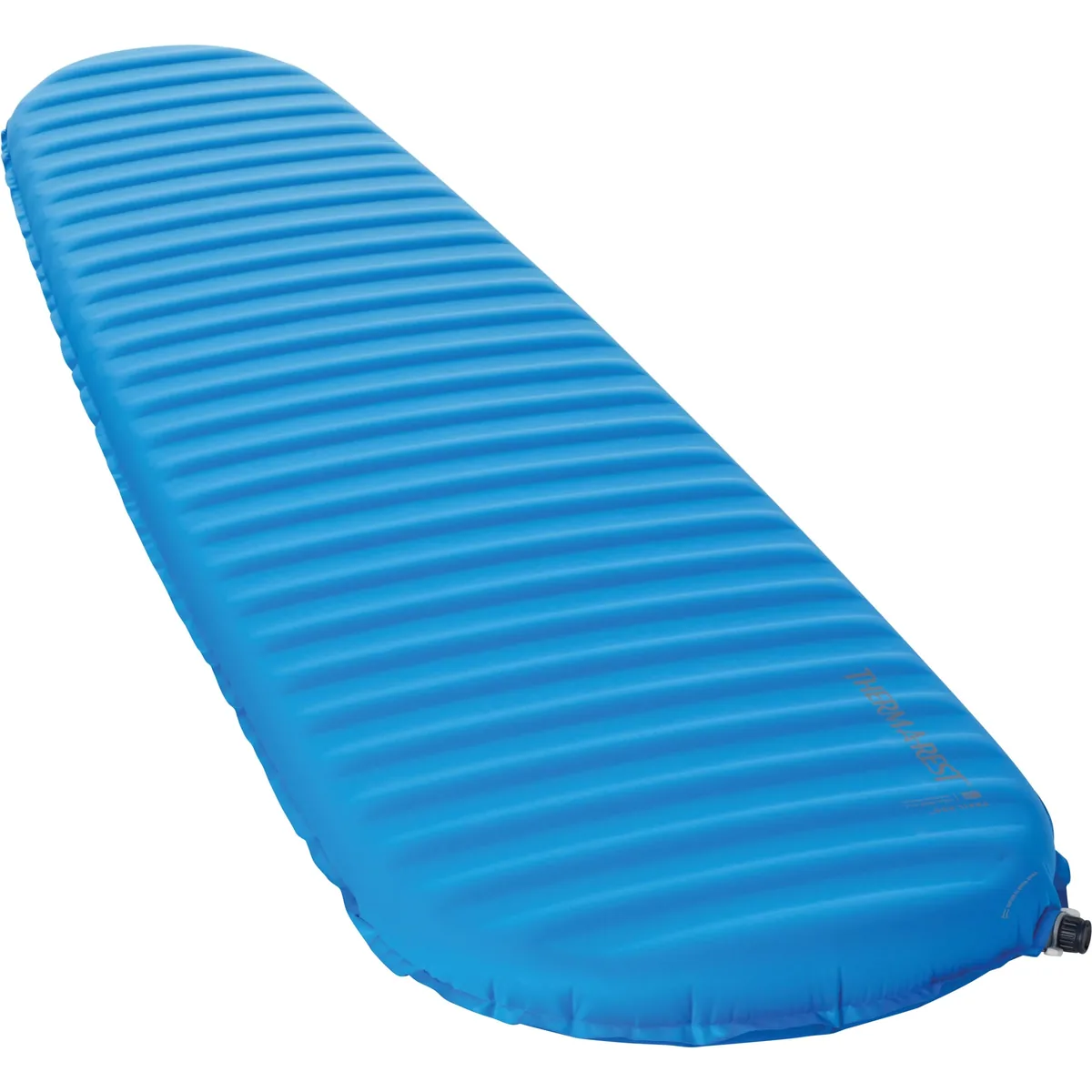
Therm-a-Rest Trail Pro
No citable owner-review average published for this one, so no stars.
The Trail ProLite with another inch of foam and a soft stretch-knit face, which turns it from a serviceable pad into a comfortable one. Three inches and R-value 4.4 put it level with an XLite on both counts, at half the price and twice the weight — a trade that makes complete sense for weekend trips and none at all for a thru-hike. The knit top is the part people remark on: it does not feel cold or slippery against a bag, and it does not crinkle.
What this pad supports
R 4.4 puts it in the cold three-season band — frost, frozen ground, shoulder season. On the pairing table that supports a bag rated to roughly 20 °F comfort before the ground becomes the limiting factor.
Size run
One product, 2 sizes. The headline numbers on this page describe the Regular.
| Size | Weight | Approx. price | Length | Width |
|---|---|---|---|---|
| Regular | 1 lb 14 oz | ~$160 | 72 in | 20 in |
| Regular Wide | 2 lb 6 oz | ~$180 | 72 in | 25 in |
Specifications
Highlights
Features
- Self-inflating
- Wide option
- Quiet fabric
- Made in USA
What it does well
- Matches an XLite's 3-inch loft and beats most pads at its price for R-value, at 4.4.
- The stretch-knit face is warm, quiet and grippy enough that a sleeping bag stays put on it.
- Foam core keeps working through a puncture, and the valve is the same field-serviceable design as the rest of the line.
- $160 undercuts every comparable air pad by $50 or more.
What it costs you
- 30 ounces is nearly two pounds, and the 11 × 8.8-inch packed size eats a lot of a 50-litre pack.
- Only two sizes — no short version, so a smaller sleeper carries a full-length pad.
- Takes real effort to roll tightly enough to get back into its own stuff sack.
- Self-inflation stalls well short of firm in cold weather; plan on topping it up by mouth.
Those two lists are drawn from Therm-a-Rest’s published specifications and from reviews that measured them. They are not owner sentiment — anything owners said appears under its own heading below.
What owners say
No owner discussion has been collected for the Therm-a-Rest Trail Pro yet. The pros and cons above come from Therm-a-Rest’s published specifications and from reviews that measured them — nothing on this page claims owners said anything. How that works.
Therm-a-Rest Trail Pro, head to head
Other pads at this level
More from Therm-a-Rest →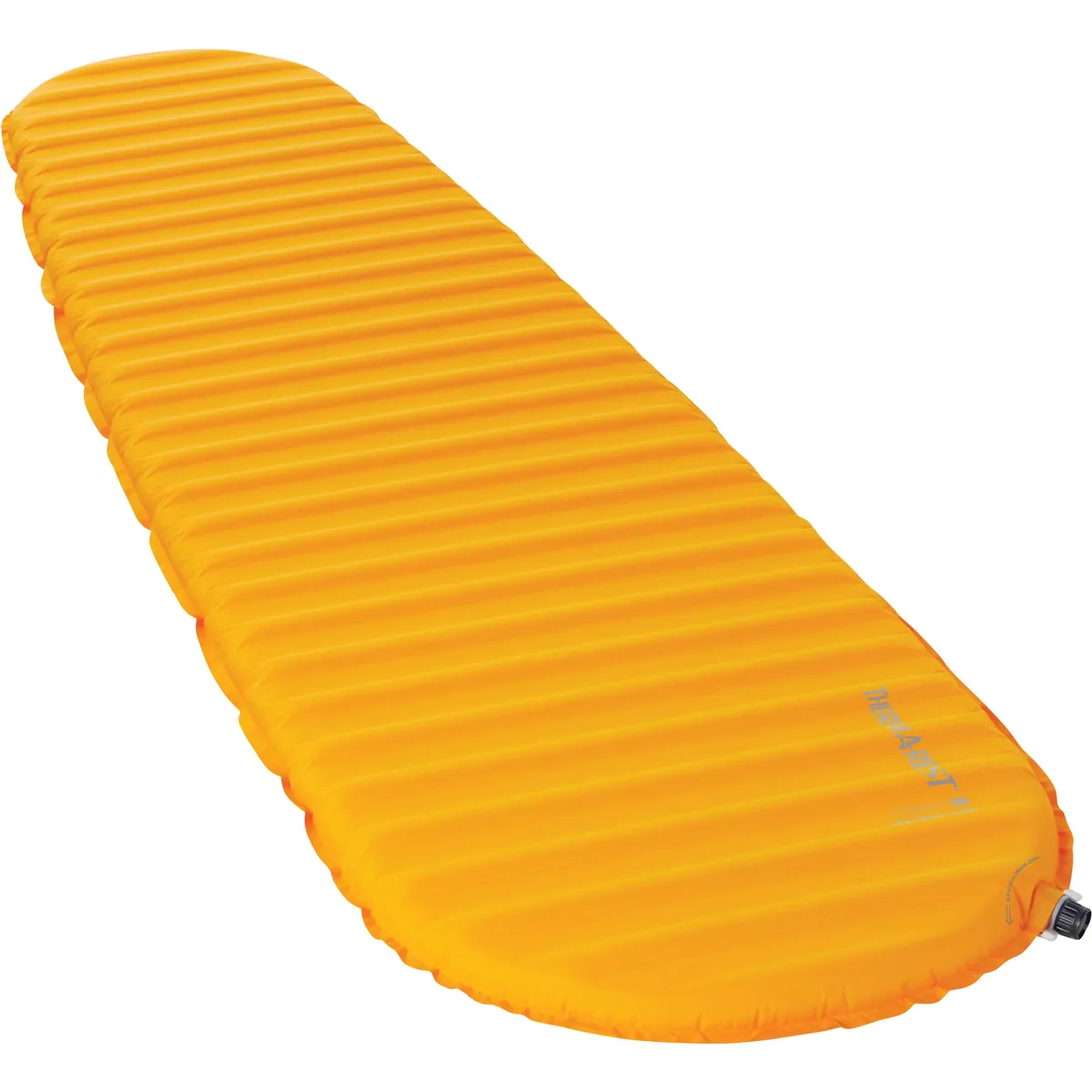
Therm-a-Rest
Therm-a-Rest Trail ProLite
The direct descendant of the original 1970s self-inflating mat, and still the pad to buy if you would rather have something that works than something that weighs less. Open the valve, walk away, come back to a pad that is most of the way there. Two inches is thin by modern standards and 24 ounces is nearly twice an XLite, but 75-denier polyester and foam-filled construction mean a pinhole is an inconvenience rather than a night on the ground — the foam still holds you up. R-value 3.8 covers three seasons honestly.
Best for: Backpackers who want a pad that still works after a puncture
Full spec sheet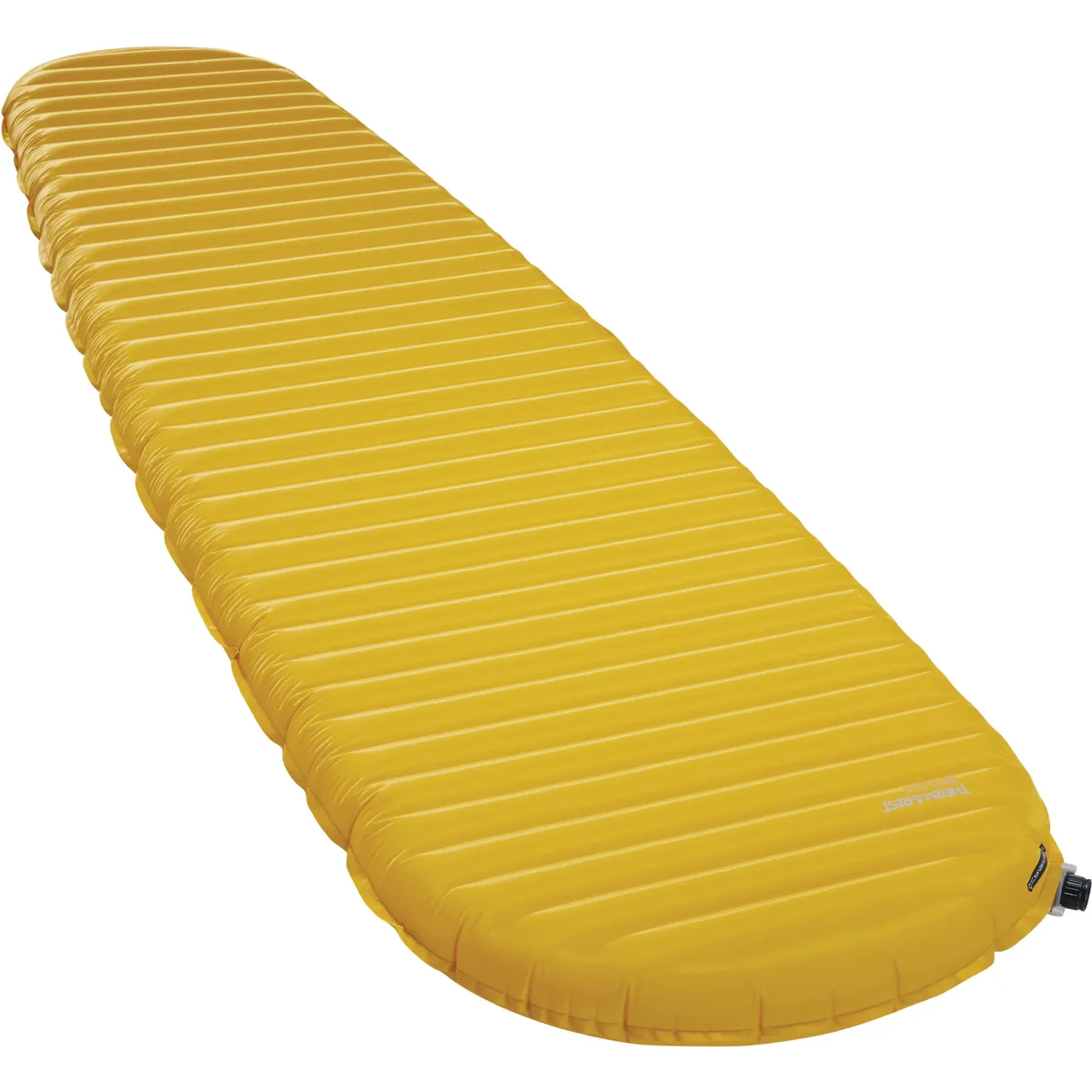
Therm-a-Rest
Therm-a-Rest NeoAir XLite NXT
The XLite has been the default long-distance backpacking pad for a decade, and the NXT revision is the version that finally answered the two complaints people had: it is quieter than the pad it replaced, and the R-value rose from 4.2 to 4.5 without adding weight. Thirteen ounces buys three inches of loft and a rating that covers shoulder-season nights on frozen ground, which is a combination nothing else in the catalogue matches at this weight. The WingLock valve dumps air in a couple of seconds and takes the included pump sack, so nobody has to blow moisture into the baffles. What you give up is durability margin: 30-denier fabric top and bottom is thin, and the pad wants a groundsheet or a foam layer under it on sharp ground.
Best for: Thru-hikers and three-season backpackers counting every ounce
Full spec sheet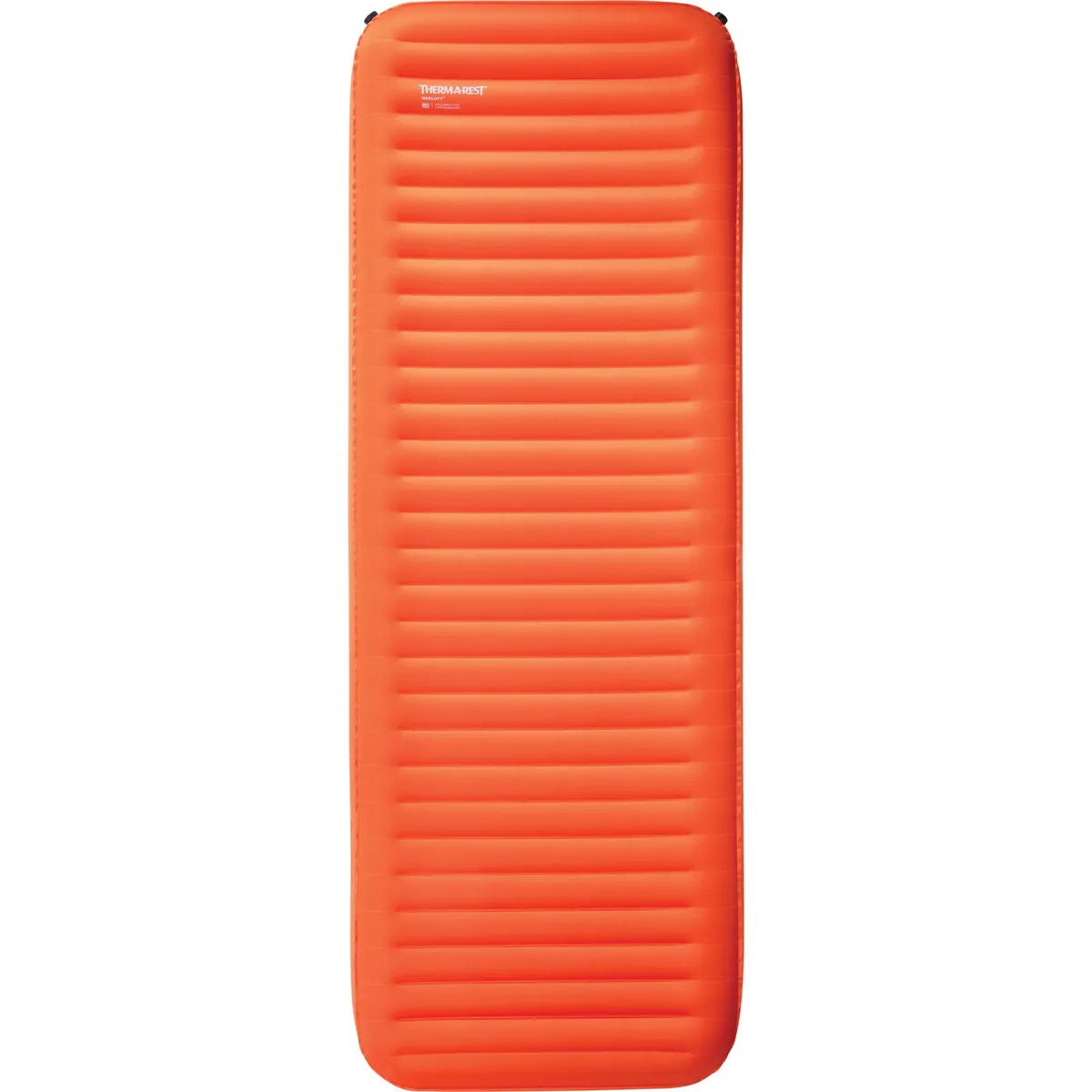
Therm-a-Rest
Therm-a-Rest NeoLoft
Therm-a-Rest's answer to the people who bought an XLite, slept badly on it and went back to car camping. The NeoLoft is 4.6 inches thick — nearly half again as deep as anything else you would carry on your back — with a 50-denier stretch-knit top that feels like fabric rather than a balloon, and it is two inches wider than a standard pad at 22 inches. It costs 12 ounces over an XLite for essentially the same warmth, which is the whole argument: this is comfort bought with weight, not warmth bought with weight. Side sleepers and anyone over about 200 pounds are the people it was built for.
Best for: Side sleepers who want a real mattress but still have to carry it
Full spec sheet