Sea to Summit
6 entries here — 2 for on top of you and 4 for underneath, priced $99 to $549. The coldest-rated is the Sea to Summit Spark 15 at 28 °F ISO comfort. The warmest pad is the Sea to Summit Comfort Deluxe Self Inflating at R 7.7. The lightest thing they make here is the Sea to Summit Ultralight XR Insulated at 14.6 oz.
Sea to Summit
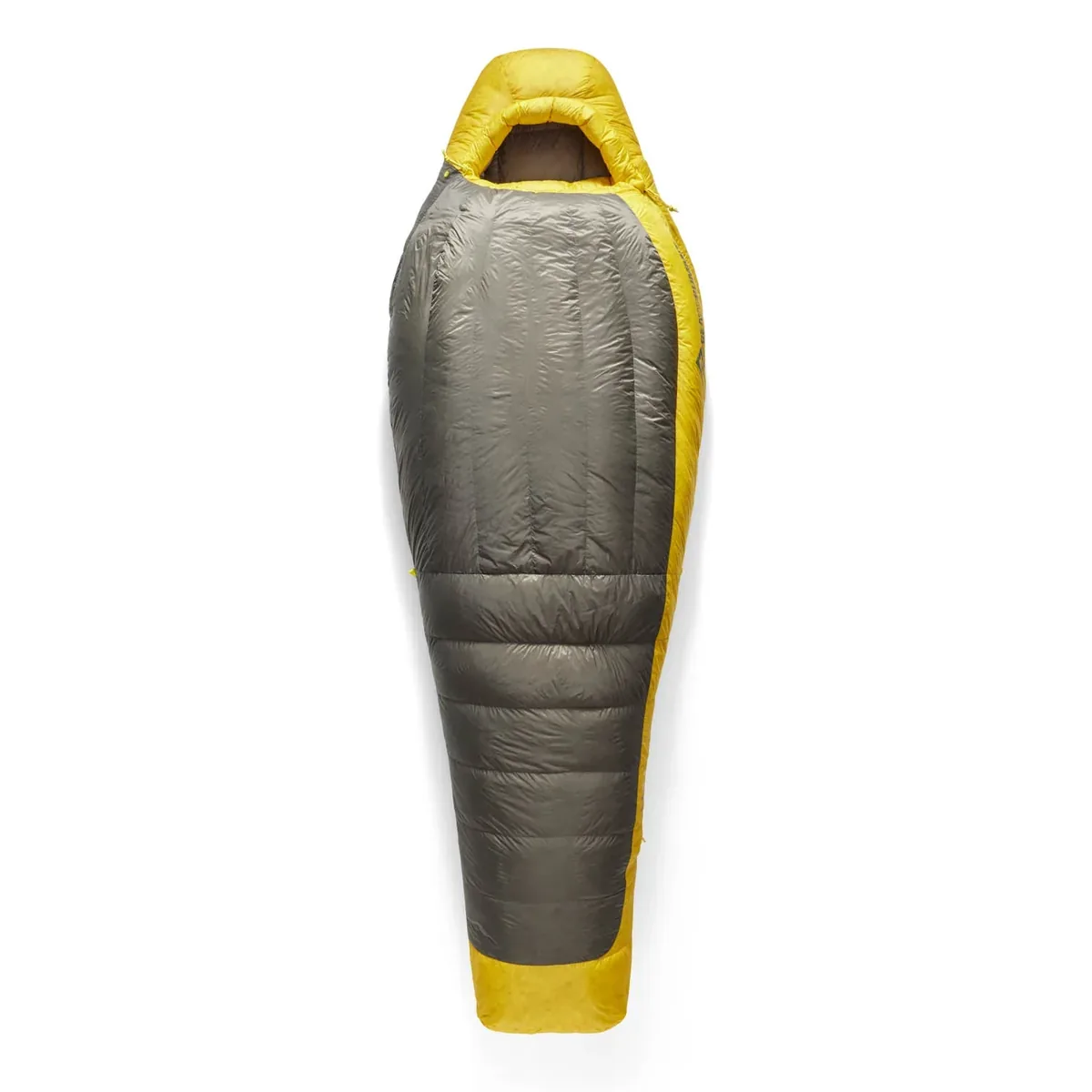
Sea to Summit Spark 15
Sea to Summit is one of the few brands that prints both ISO numbers next to each other, and the Spark 15 is the clearest illustration on this site of why that matters: the bag is sold as a 15, the lab limit is 16 °F, and the lab comfort figure is 28 °F. Twenty-eight is the number a cold sleeper should plan around, and it is thirteen degrees off the name. Everything else about the bag is excellent — 850-fill goose down, a 10-denier shell, a half-length zip to save weight, and 25.7 ounces total with nearly 17 ounces of that being down, which is one of the best fill-to-total ratios in the catalogue.
Best for: Backpackers who want the honest number before they buy
Full spec sheet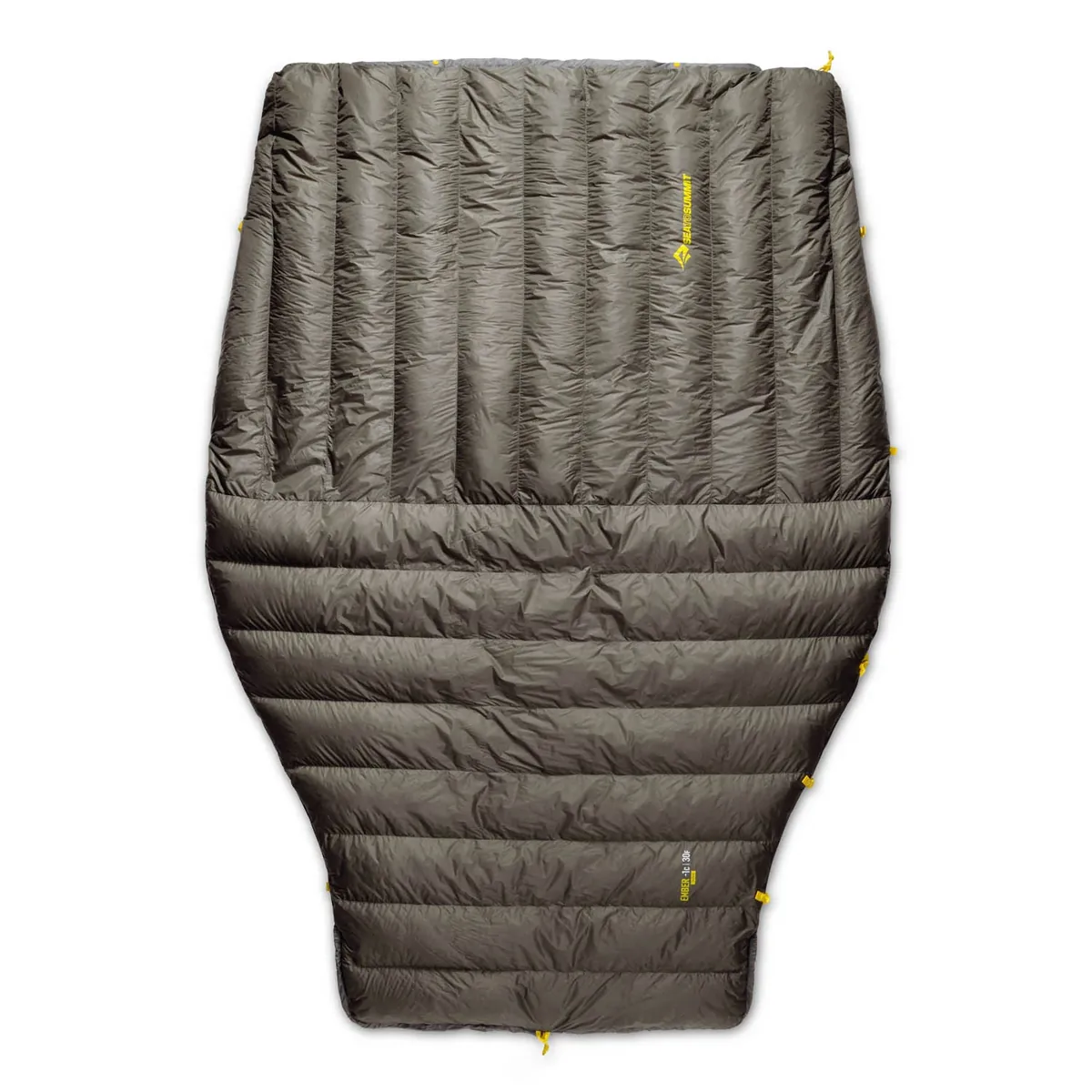
Sea to Summit
Sea to Summit Ember 30 Quilt
One of exactly two quilts in this catalogue with a published ISO comfort figure, and the only one where the limit lands exactly on the number in the name — 30 °F limit, 39 °F comfort. Nineteen ounces of 850-fill down that zips into a closed footbox for a cold night and opens flat into a blanket for a warm one. Sea to Summit's ratings discipline is the reason to buy it rather than a cottage quilt at the same price: you know what you are getting before you sleep in it.
Best for: Summer and shoulder-season quilt users who want a lab number
Full spec sheet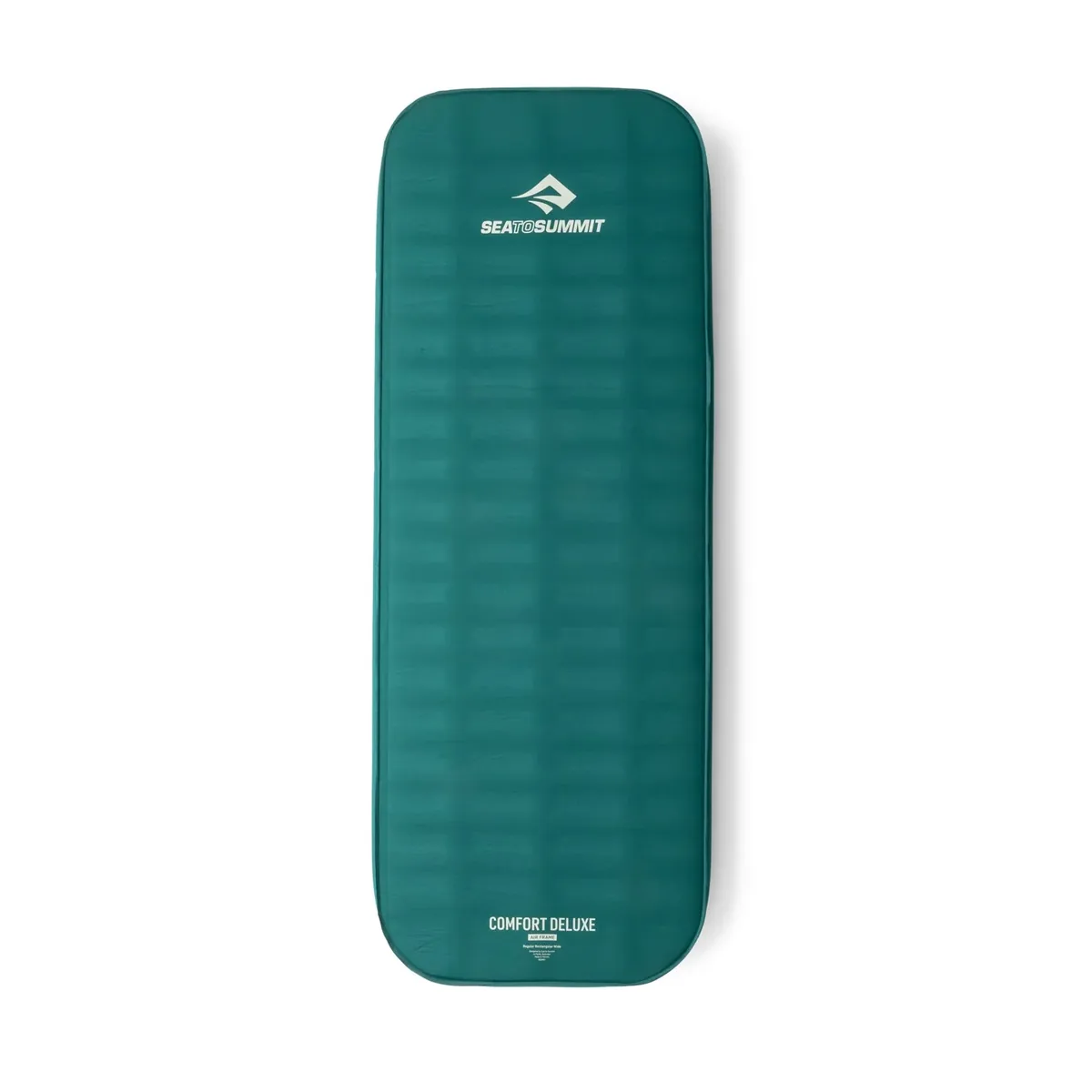
Sea to Summit
Sea to Summit Comfort Deluxe Self Inflating
R-value 7.7 and four inches of foam, with a stretch-knit face that takes a fitted sheet. This is the warmest camping mattress in the catalogue and the closest thing here to sleeping at home. The Air Frame construction puts a stabilising structure inside the foam, which is what stops a four-inch pad from feeling like a waterbed, and the 52-inch Double version genuinely fits two adults without the usual valley down the middle.
Best for: Car camping and van sleeping in cold weather
Full spec sheet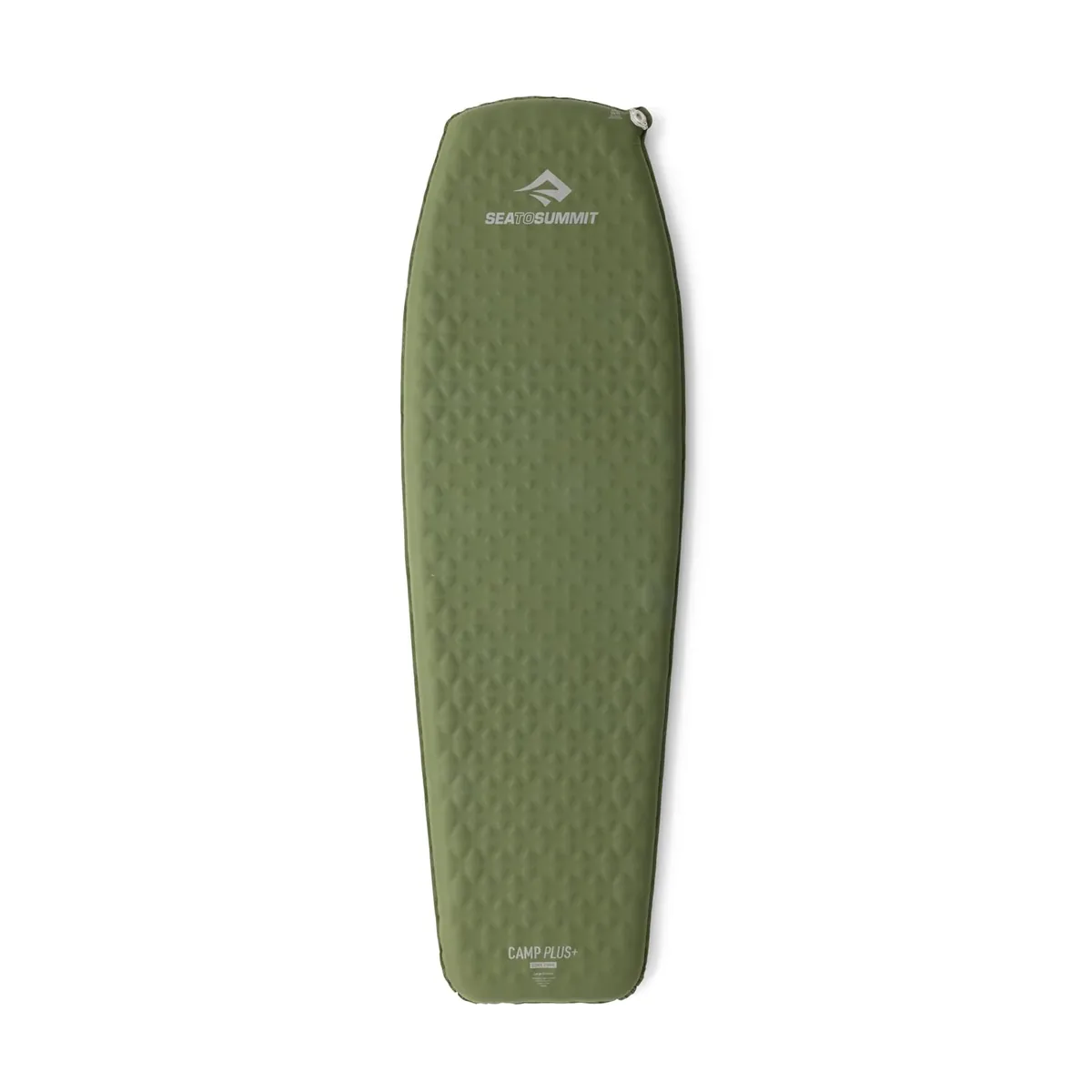
Sea to Summit
Sea to Summit Camp Plus Self Inflating
R-value 5.3 for $99 is the best warmth-per-dollar figure in this catalogue by a wide margin — the nearest air pad with that rating costs more than twice as much. The catch is 37 ounces and a packed size you would not put in a backpack. Sea to Summit varies the foam density along the pad so the insulation sits where the body is and the weight comes out where it isn't, which is why this is thinner and lighter than most self-inflating pads at this R-value.
Best for: Campground sleeping and anyone who wants warmth without spending
Full spec sheet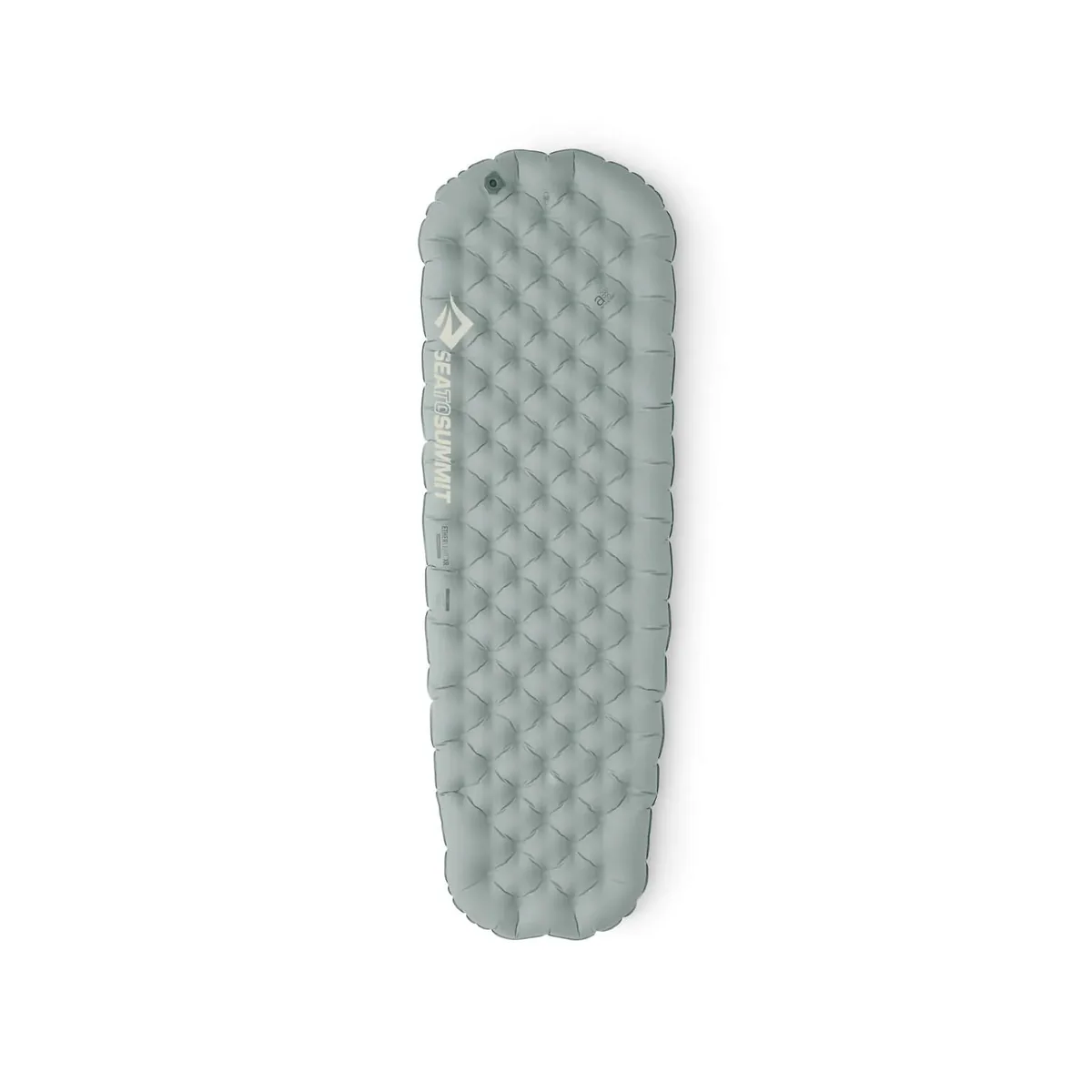
Sea to Summit
Sea to Summit Ether Light XR Insulated
Four inches thick — the deepest air pad here that still weighs under a pound — built from a grid of individual Air Sprung Cells rather than long baffles, so it behaves more like a mattress and less like a pool toy. That structure is the whole point: a hip pressing into one cell does not push air into the next one, which is what stops the bounce and the roll-off that thick pads usually suffer from. R-value 4.1 is honest three-season. The Airstream pump sack is built into the stuff sack and inflates it in a few passes.
Best for: Side sleepers who want mattress depth in a backpacking pad
Full spec sheet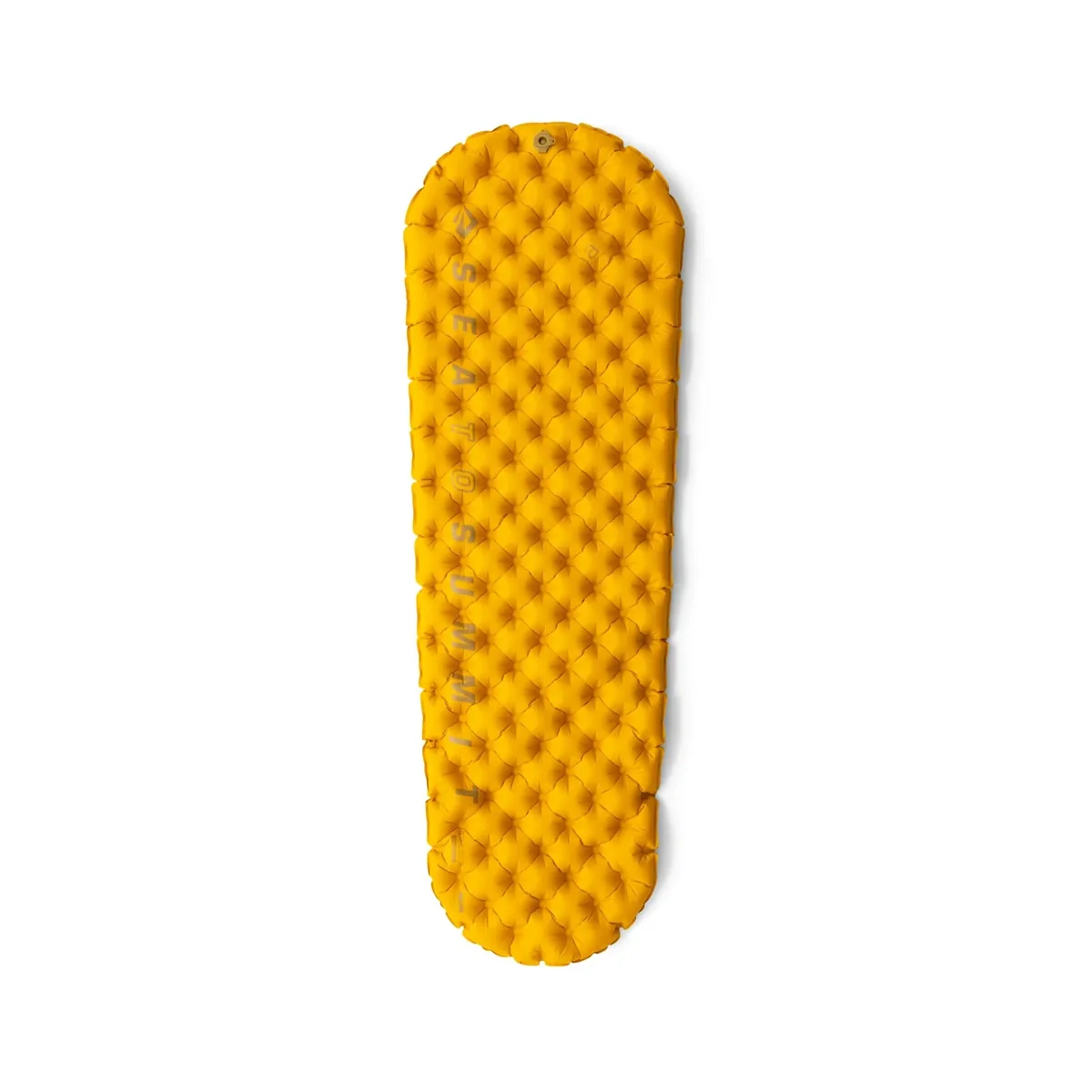
Sea to Summit
Sea to Summit Ultralight XR Insulated
The Ether Light's thinner, cheaper sibling: the same Air Sprung Cell grid at two and a half inches instead of four, 14.6 ounces, R-value 3.6, $149. The 22-inch width is the quiet advantage — two inches wider than most ultralight pads at this weight, which is worth more to a side sleeper than the last half-point of R-value. Hybrid 30- and 40-denier nylon top and bottom, which is a little more fabric than the lightest pads carry.
Best for: Three-season backpacking on a budget that still cares about width
Full spec sheet