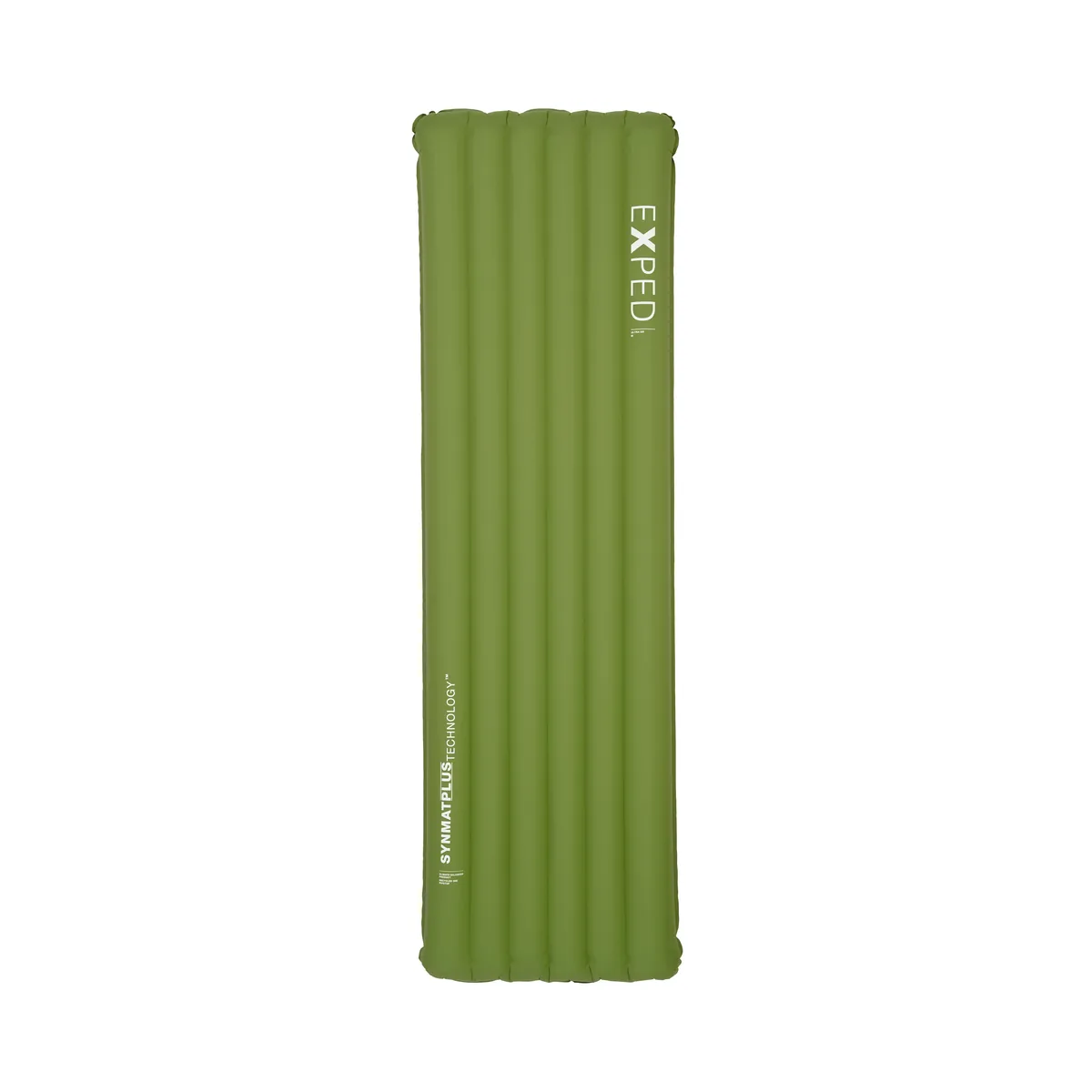
Exped
Exped Ultra 8R
No citable owner-review average published for this one, so no stars.
Exped's winter flagship insulates with actual down inside the air chambers, which is why it reaches R 8.8 — the highest figure in this catalogue — at twenty ounces. Exped quotes it as good to about -49 °F, which is a number for expeditions rather than for anyone's weekend. Down inside a pad has one obvious vulnerability: moisture from breath-inflation will eventually kill it, which is exactly why the Schnozzel pump bag is in the box and why using it is not optional on this model.
What this pad supports
R 8.8 puts it in the winter band — snow and sustained sub-freezing ground. On the pairing table that supports a bag rated to roughly 0 °F comfort before the ground becomes the limiting factor.
Size run
One product, 3 sizes. The headline numbers on this page describe the M.
| Size | Weight | Approx. price | Length | Width |
|---|---|---|---|---|
| M | 1 lb 4 oz | ~$230 | 72 in | 20.5 in |
| MW | 1 lb 9 oz | ~$230 | 72 in | 25.6 in |
| LW | 1 lb 10 oz | ~$230 | 77.6 in | 25.6 in |
Specifications
Highlights
Features
- Pump sack included
- Repair kit included
- Winter R-value
- Wide option
- Quiet fabric
- Under 1 lb
What it does well
- R 8.8 is the highest figure in this catalogue, and it comes with 3.5 inches of loft rather than a thin winter mat.
- Down insulation inside the chambers is warmer per ounce than film or batting — twenty ounces for R 8.8.
- Silent, and warm the moment you lie on it.
- Same price in all three sizes.
What it costs you
- Down inside a pad means breath inflation is genuinely damaging over time; the pump bag is mandatory, not a convenience.
- $230 and R 8.8 is far more pad than any three-season trip needs.
- 20-denier fabric wrapping $230 of down on ground that is by definition frozen and sharp.
- Packed at 9.1 × 4.9 inches it is the bulkiest of the Ultra line.
Those two lists are drawn from Exped’s published specifications and from reviews that measured them. They are not owner sentiment — anything owners said appears under its own heading below.
What owners say
Distilled from owner discussions and long-term published reviews, not from anything measured here.
Down inside a sleeping pad is an unusual enough idea that the owner reports about it are mostly about the insulation itself rather than about the pad. The positive ones describe a noticeable difference in feel between down and synthetic fill inside an air chamber; the negative one describes down migrating within the pad and leaving cold spots, which ended in a return.
That single failure report is worth more weight than its frequency suggests, because it is a mode that does not exist on other pads. Down can shift; film cannot.
What is not in dispute is the warmth. This pad turns up in every owner-built comparison of the warmest pads available, and it earns its place there.
What owners like
- Owners describe a real difference between down insulation inside a pad and synthetic or film, and rate this one highly on that basis.
- It appears in the very short list of pads owners name when building comparison tables of the warmest options available.
- Warmth per ounce is competitive with the best winter pads despite the down construction adding bulk.
- The published R-value puts it at the very top of what is available, and owners building comparison tables of the warmest pads always include it.
Common complaints
- At least one owner returned theirs because the down inside the pad did not distribute evenly, which is a failure mode unique to down-filled pads.
- Very few owner reports exist, so the long-term picture is thin.
- Down inside a pad makes breath inflation genuinely damaging, which owners have to be told rather than working out.
Questions owners ask
Can the down inside shift and leave cold spots?
Do I really have to use the pump sack?
Is it warmer in practice than a film-insulated winter pad?
Exped Ultra 8R, head to head
Other pads at this level
More from Exped →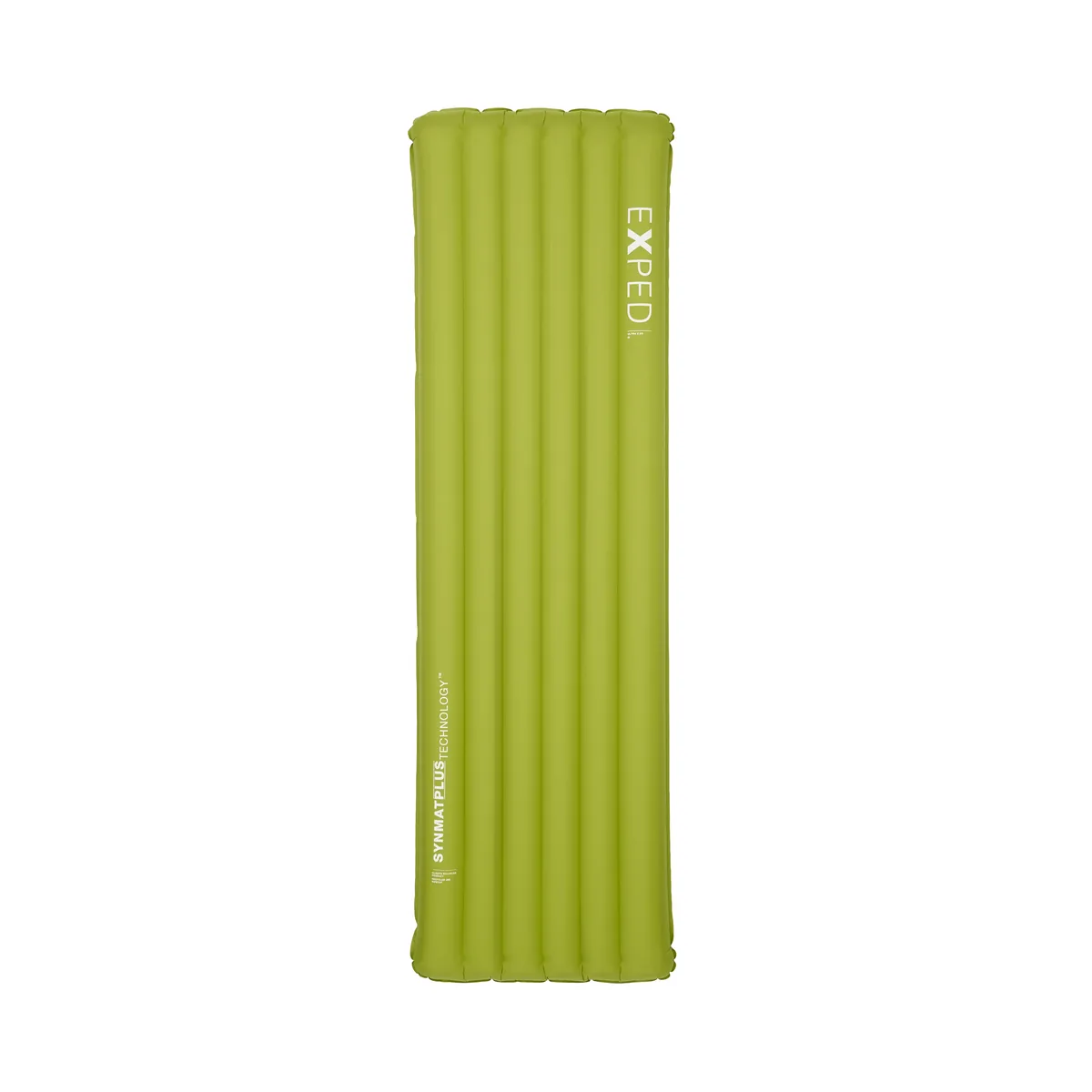
Exped
Exped Ultra 6.5R
The oddity in this catalogue: an R 6.9 pad that weighs half an ounce less than the R 3.2 pad from the same brand. Exped's naming is confusing — the model is called 6.5R and tests at 6.9 — but the numbers are real and they make this the best warmth-per-ounce pad here, at 0.45 R per ounce. Three and a half inches thick, silent batting insulation, and again the same price in every width. If you were going to buy one insulated pad and use it from May to October and occasionally in snow, this is the strongest argument in the catalogue.
Best for: One pad for everything, including the occasional night on snow
Full spec sheet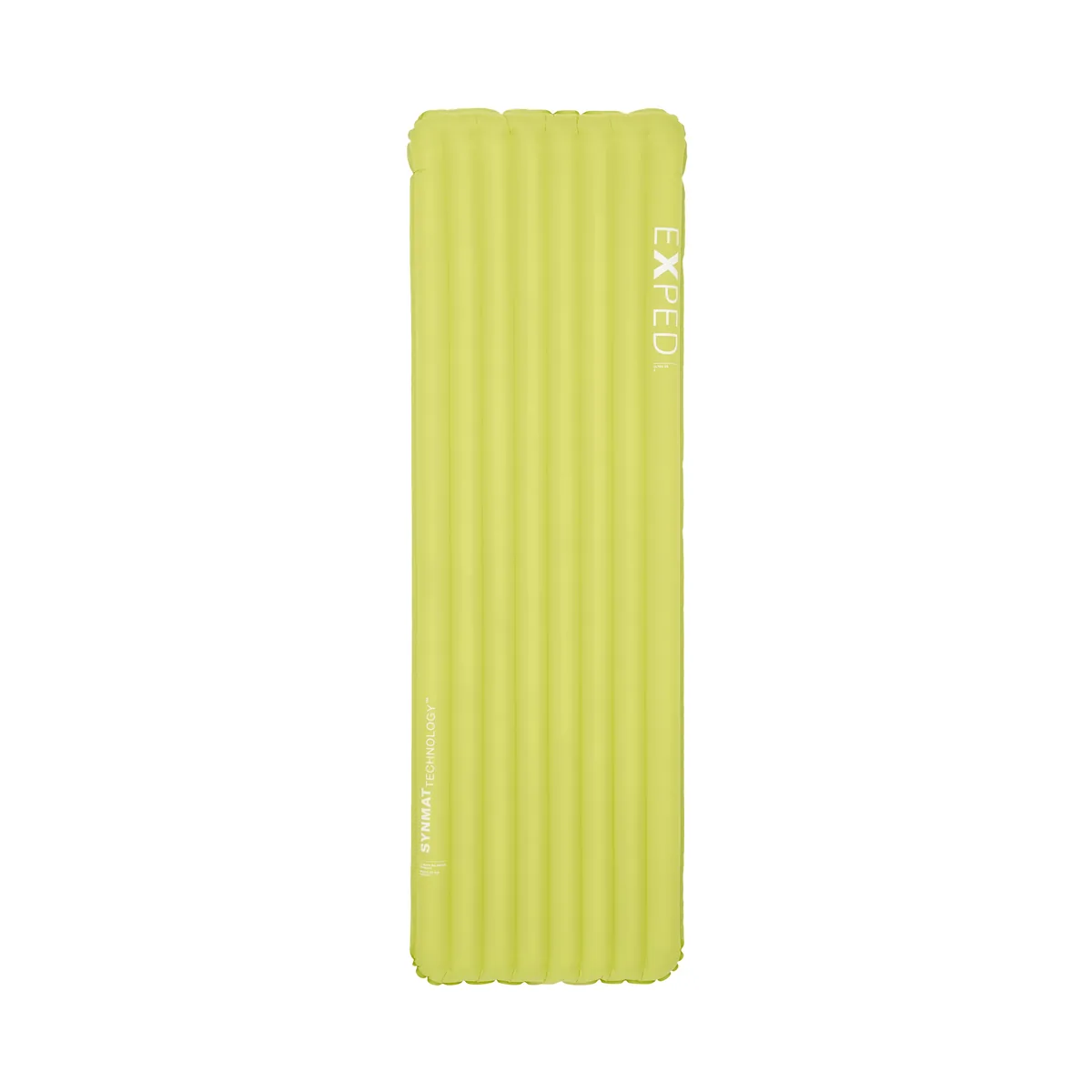
Exped
Exped Ultra 3R
Exped insulates with actual synthetic batting welded inside the air chambers rather than with reflective film, which is why their pads are silent and why they feel warm to the touch the moment you lie down instead of after ten minutes. The Ultra 3R is the three-season member: R-value 3.2, three inches thick, 16 ounces, and — unusually — the same price in every size, so a wide version costs nothing extra. The Schnozzel pump bag that comes with it doubles as a dry bag.
Best for: Three-season backpacking where pad noise is a dealbreaker
Full spec sheet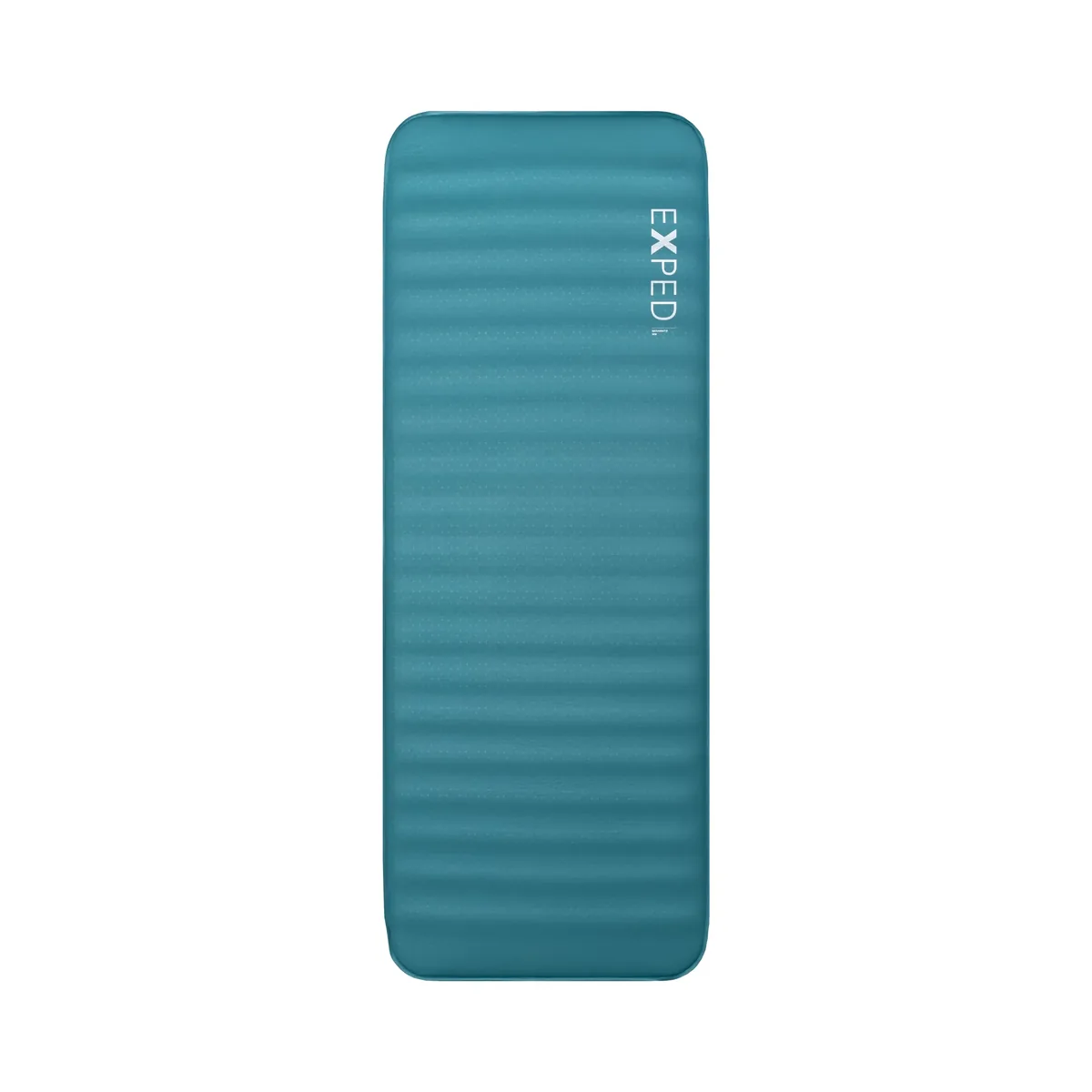
Exped
Exped MegaMat
The MegaMat is the reference car-camping mattress, and the reason is its foam: vertically laminated rather than a simple slab, so four inches of loft stays supportive under a hip instead of compressing to nothing. R-value 8.1 is warmer than any air pad here except Exped's own 8R, and Exped rates it to about -40 °F. It weighs four and a half pounds and rolls to the size of a sleeping bag, and once inflated it gets made up with a fitted sheet and forgotten about.
Best for: Car camping, van sleeping and cold basecamps
Full spec sheet