Therm-a-Rest
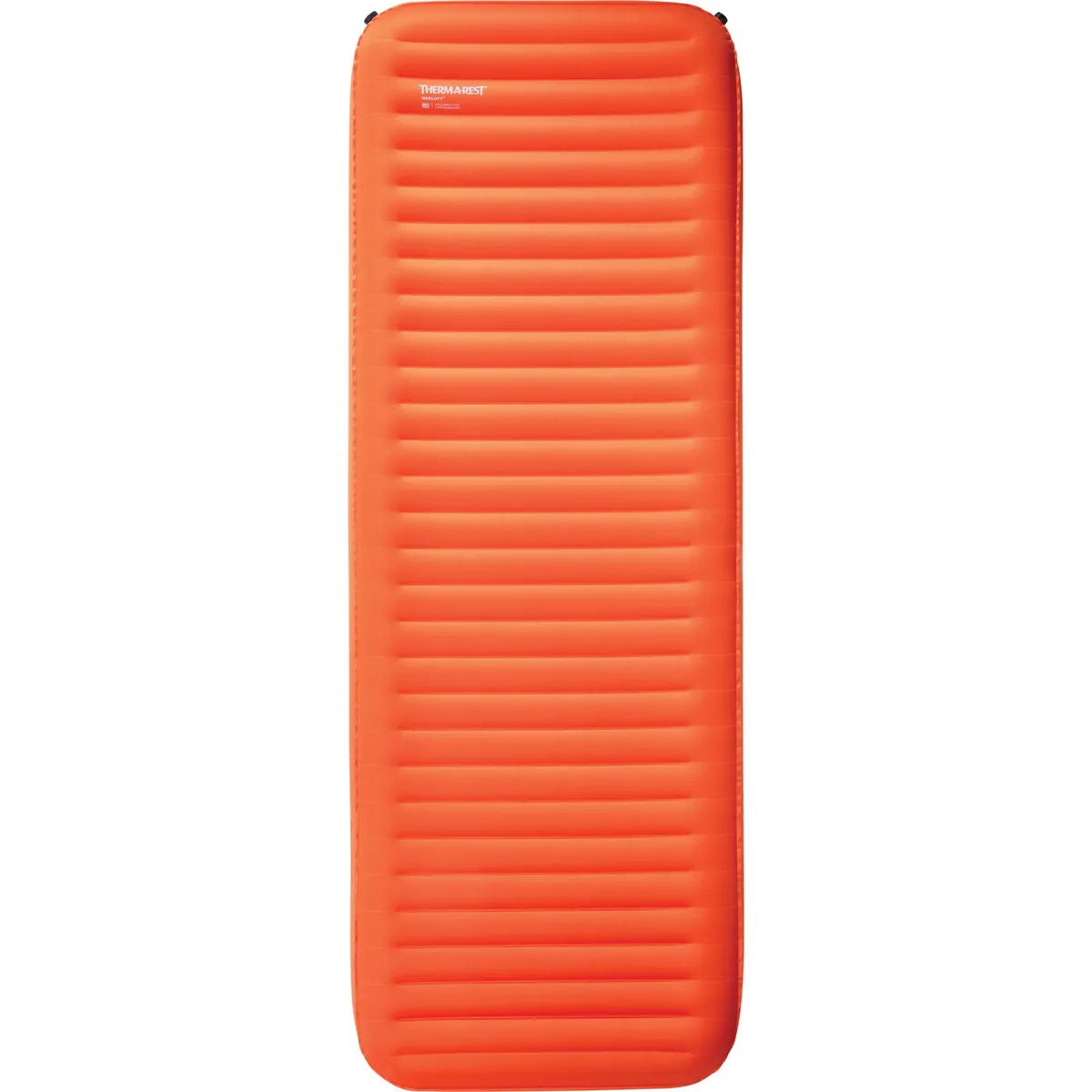
Therm-a-Rest NeoLoft
No citable owner-review average published for this one, so no stars.
Therm-a-Rest's answer to the people who bought an XLite, slept badly on it and went back to car camping. The NeoLoft is 4.6 inches thick — nearly half again as deep as anything else you would carry on your back — with a 50-denier stretch-knit top that feels like fabric rather than a balloon, and it is two inches wider than a standard pad at 22 inches. It costs 12 ounces over an XLite for essentially the same warmth, which is the whole argument: this is comfort bought with weight, not warmth bought with weight. Side sleepers and anyone over about 200 pounds are the people it was built for.
What this pad supports
R 4.7 puts it in the cold three-season band — frost, frozen ground, shoulder season. On the pairing table that supports a bag rated to roughly 20 °F comfort before the ground becomes the limiting factor.
Size run
One product, 3 sizes. The headline numbers on this page describe the Regular.
| Size | Weight | Approx. price | Length | Width |
|---|---|---|---|---|
| Regular | 1 lb 9 oz | ~$250 | 73 in | 22 in |
| Regular Wide | 1 lb 14 oz | ~$260 | 73 in | 26 in |
| Large | 2 lb | ~$270 | 78 in | 26 in |
Specifications
Highlights
Features
- Pump sack included
- Repair kit included
- Wide option
- Quiet fabric
- Made in USA
What it does well
- 4.6 inches of loft is the deepest backpacking pad here, and it is the difference between a hip that bottoms out and one that doesn't.
- The 50-denier stretch-knit top is quiet and warm to the touch — none of the crinkle or the clammy plastic feel of a reflective-film pad.
- 22 inches wide as standard rather than 20, with a 26-inch Wide above it.
- 4.7 R-value covers the same three-season range as an XLite, so the comfort doesn't cost warmth.
- Heavier fabric means it tolerates a tent floor without a groundsheet better than the ultralight pads do.
What it costs you
- 25 ounces is twice an XLite and puts it within a few ounces of self-inflating pads that cost $100 less.
- Packs to 9.5 × 5.7 inches — noticeably bulkier in a small pack than the pad it is meant to replace.
- Thick pads sit you high off the ground, which makes a narrow tent feel narrower and a quilt's draft gap harder to seal.
- New enough in 2025 that its long-term seam and valve record is still being written.
Those two lists are drawn from Therm-a-Rest’s published specifications and from reviews that measured them. They are not owner sentiment — anything owners said appears under its own heading below.
What owners say
Distilled from owner discussions and long-term published reviews, not from anything measured here.
The NeoLoft arrived recently enough that owner discussion is still sparse, and what exists is mostly first impressions rather than long-term reports. Those impressions agree: it is thick, it is wide, the surface is pleasant, and it weighs about twice what an ultralight pad does.
The pattern in who buys it is clearer than any single opinion — it turns up among people who tried an ultralight pad, slept badly on it, and decided the extra twelve ounces were worth not waking up. There is not yet enough accumulated use to say anything about how it holds up, which is worth knowing before spending $250 on a pad in its first year.
What owners like
- Owners who bought it for comfort report it delivering — the depth is the point and it is the thing they mention first.
- The stretch-knit face gets specific praise for being quiet and not feeling like plastic against a quilt.
- Width is treated as the other half of the comfort gain, not an afterthought.
- Owners frame it as a deliberate purchase rather than an upgrade — the people who have one went looking for depth, and they got it.
Common complaints
- Discussion volume is still thin, so there is no long-term durability picture yet — nobody has enough nights on one to say.
- The weight is the standard objection: owners describe it as a pad for people who have decided comfort outranks ounces.
- Packed bulk comes up as the practical cost, more than the weight does.
Questions owners ask
Is it worth twelve ounces over an XLite?
How does it compare to a camping mattress?
Is there any long-term reliability data yet?
Therm-a-Rest NeoLoft, head to head
Other pads at this level
More from Therm-a-Rest →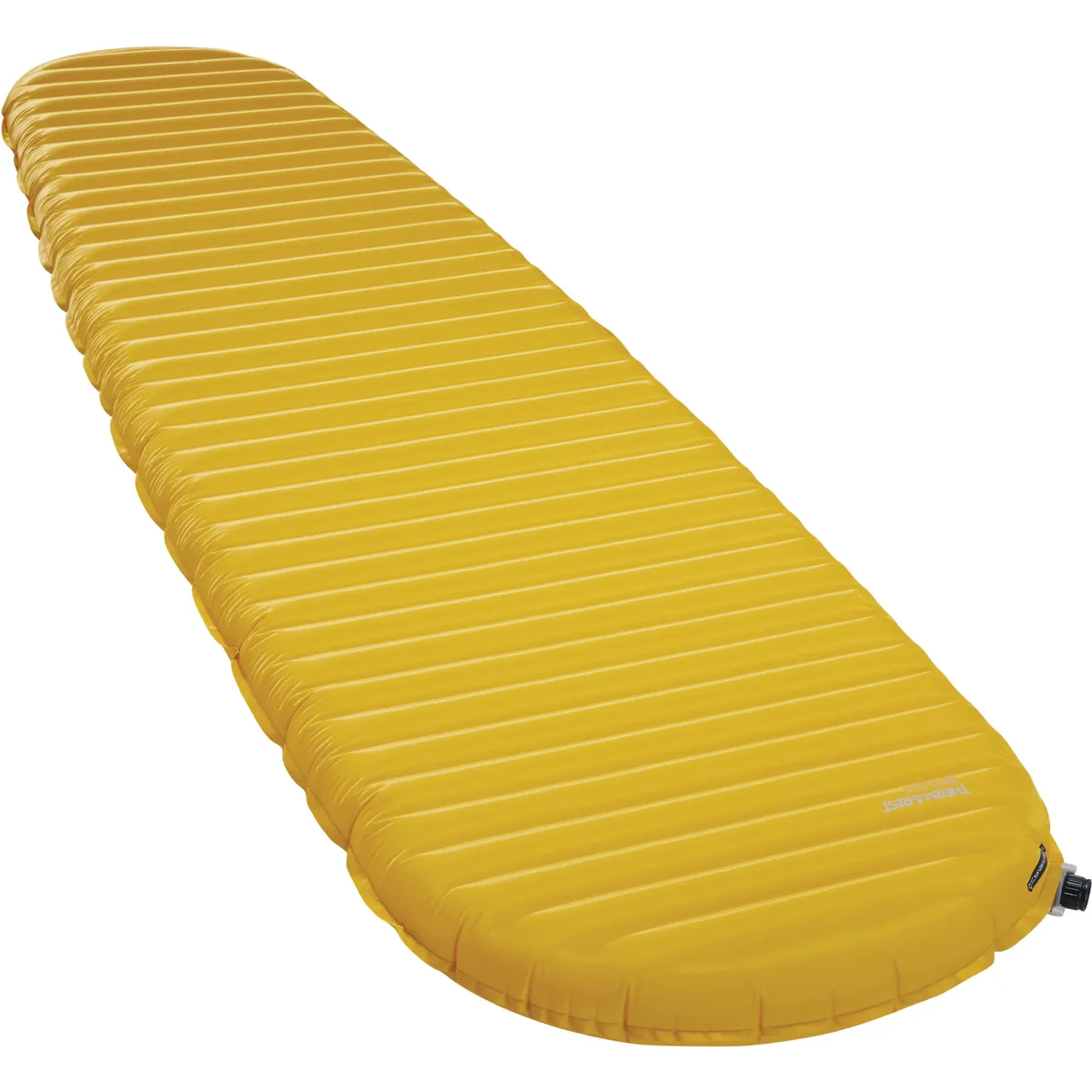
Therm-a-Rest
Therm-a-Rest NeoAir XLite NXT
The XLite has been the default long-distance backpacking pad for a decade, and the NXT revision is the version that finally answered the two complaints people had: it is quieter than the pad it replaced, and the R-value rose from 4.2 to 4.5 without adding weight. Thirteen ounces buys three inches of loft and a rating that covers shoulder-season nights on frozen ground, which is a combination nothing else in the catalogue matches at this weight. The WingLock valve dumps air in a couple of seconds and takes the included pump sack, so nobody has to blow moisture into the baffles. What you give up is durability margin: 30-denier fabric top and bottom is thin, and the pad wants a groundsheet or a foam layer under it on sharp ground.
Best for: Thru-hikers and three-season backpackers counting every ounce
Full spec sheet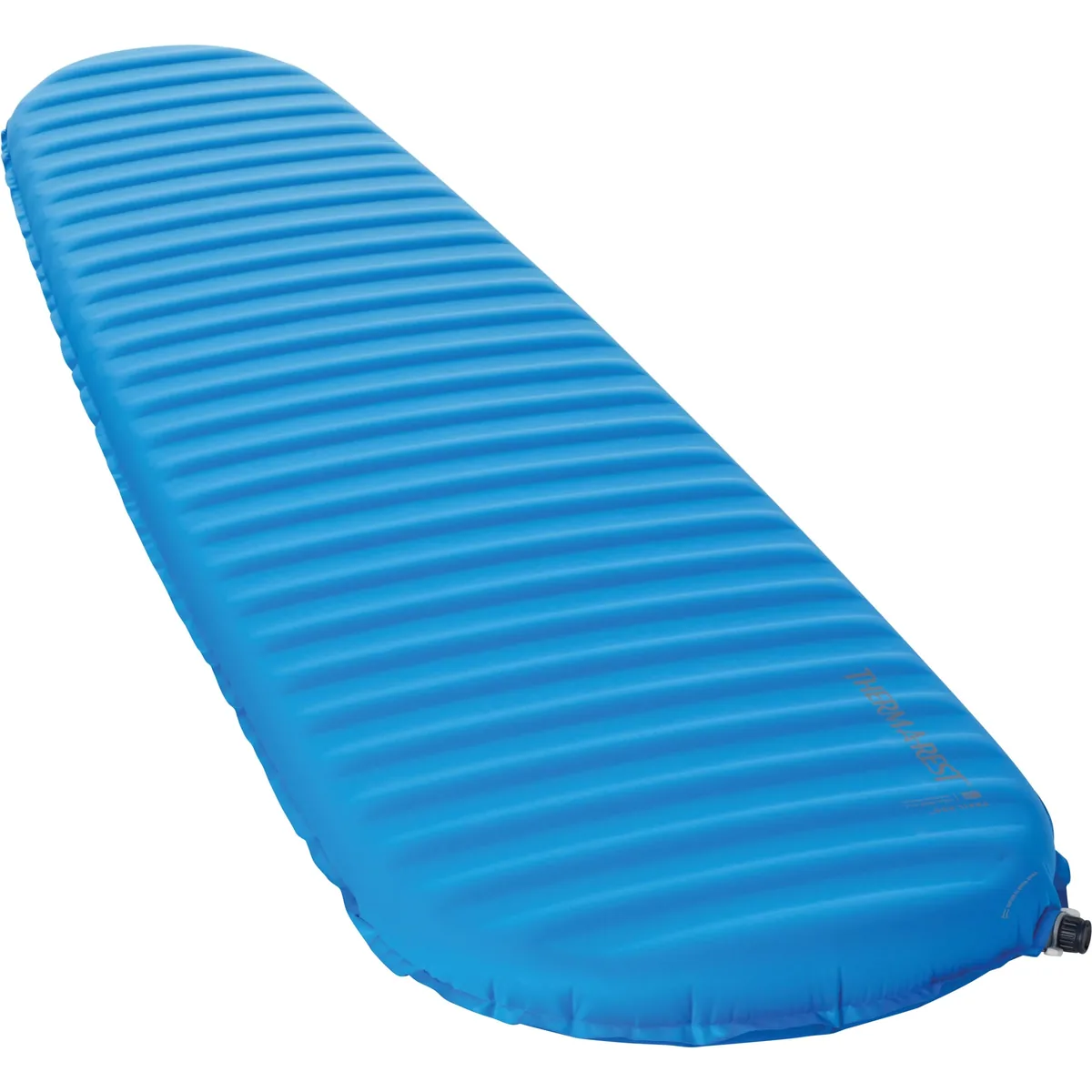
Therm-a-Rest
Therm-a-Rest Trail Pro
The Trail ProLite with another inch of foam and a soft stretch-knit face, which turns it from a serviceable pad into a comfortable one. Three inches and R-value 4.4 put it level with an XLite on both counts, at half the price and twice the weight — a trade that makes complete sense for weekend trips and none at all for a thru-hike. The knit top is the part people remark on: it does not feel cold or slippery against a bag, and it does not crinkle.
Best for: Weekend backpacking and basecamps where two extra pounds don't decide anything
Full spec sheet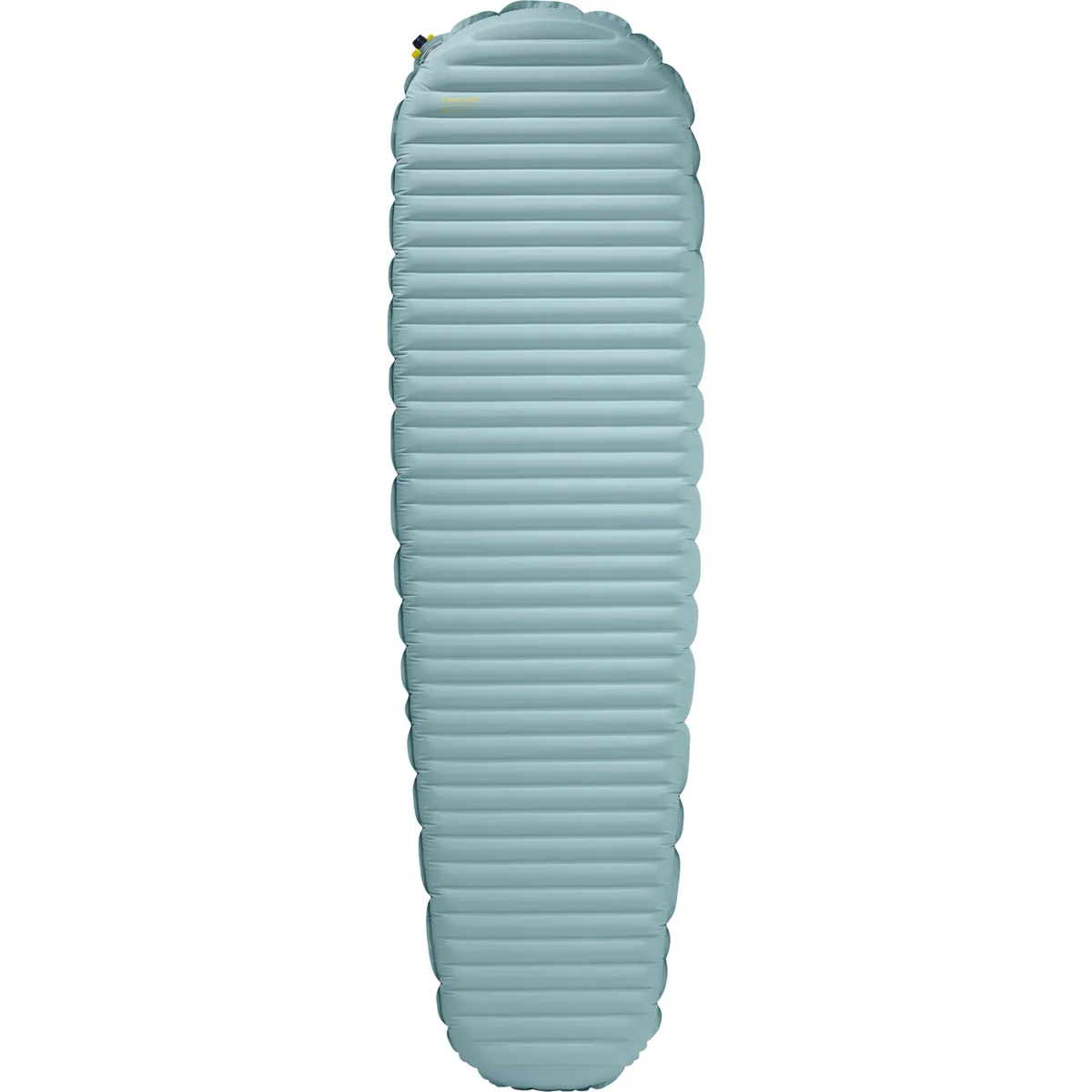
Therm-a-Rest
Therm-a-Rest NeoAir XTherm NXT
Add two and a half ounces to an XLite and you get a pad rated 7.3 — enough to sleep on snow — which is the trade that makes the XTherm the pad winter backpackers and shoulder-season sceptics buy instead. The extra warmth comes from more layers of the same reflective film rather than from bulk, so it packs almost as small and feels the same underneath. The 70-denier bottom fabric is a real upgrade over the XLite's 30D and the reason this one survives on crusted snow and scree. It is a lot of R-value to carry in July, and the honest answer for most three-season use is that it is more pad than the trip needs.
Best for: Winter and high-alpine trips where the ground is frozen
Full spec sheet