Sea to Summit
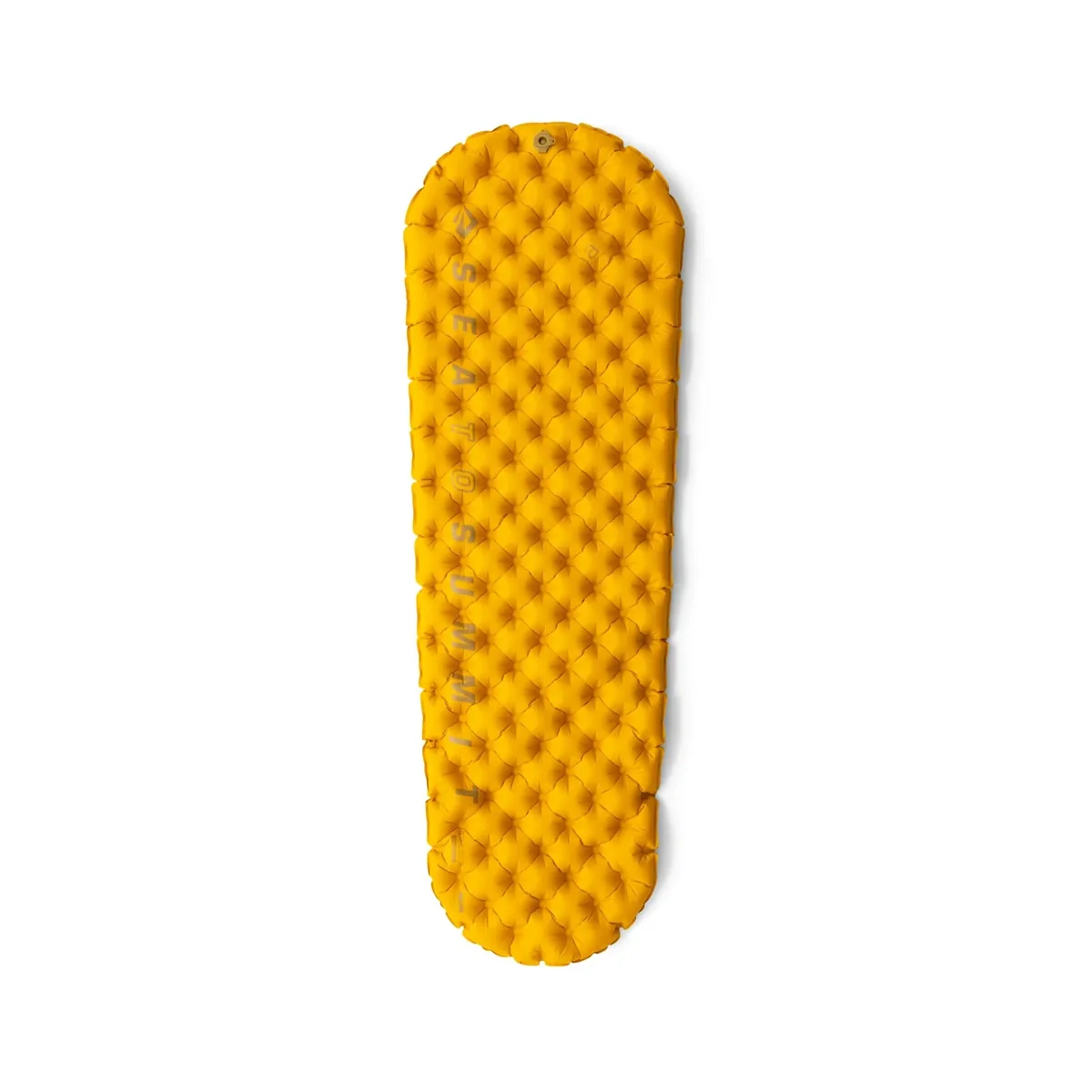
Sea to Summit Ultralight XR Insulated
No citable owner-review average published for this one, so no stars.
The Ether Light's thinner, cheaper sibling: the same Air Sprung Cell grid at two and a half inches instead of four, 14.6 ounces, R-value 3.6, $149. The 22-inch width is the quiet advantage — two inches wider than most ultralight pads at this weight, which is worth more to a side sleeper than the last half-point of R-value. Hybrid 30- and 40-denier nylon top and bottom, which is a little more fabric than the lightest pads carry.
What this pad supports
R 3.6 puts it in the three-season band — spring through autumn, above freezing. On the pairing table that supports a bag rated to roughly 30 °F comfort before the ground becomes the limiting factor.
Size run
One product, 3 sizes. The headline numbers on this page describe the Regular.
| Size | Weight | Approx. price | Length | Width |
|---|---|---|---|---|
| Small | 13.8 oz | ~$139 | 66 in | 22 in |
| Regular | 14.6 oz | ~$149 | 72 in | 22 in |
| Large | 1 lb 2.7 oz | ~$169 | 78 in | 25 in |
Specifications
Highlights
Features
- Pump sack included
- Repair kit included
- Wide option
- Quiet fabric
- Under 1 lb
What it does well
- 22 inches wide as standard while weighing 14.6 ounces — most pads this light are 20 inches.
- $149 undercuts the comparable ultralight air pads by $50 to $70.
- Air Sprung Cells give a stable, mattress-like surface rather than a rolling tube feel.
- Hybrid 30/40-denier nylon is a little tougher than the 20D and 10D fabrics used by lighter pads.
What it costs you
- R-value 3.6 is a mild three-season number — frosty ground wants more.
- Two and a half inches is thin next to the four-inch Ether Light and the 3.5-inch Tensors.
- Only three sizes, and no rectangular cut.
Those two lists are drawn from Sea to Summit’s published specifications and from reviews that measured them. They are not owner sentiment — anything owners said appears under its own heading below.
What owners say
No owner discussion has been collected for the Sea to Summit Ultralight XR Insulated yet. The pros and cons above come from Sea to Summit’s published specifications and from reviews that measured them — nothing on this page claims owners said anything. How that works.
Sea to Summit Ultralight XR Insulated, head to head
Other pads at this level
More from Sea to Summit →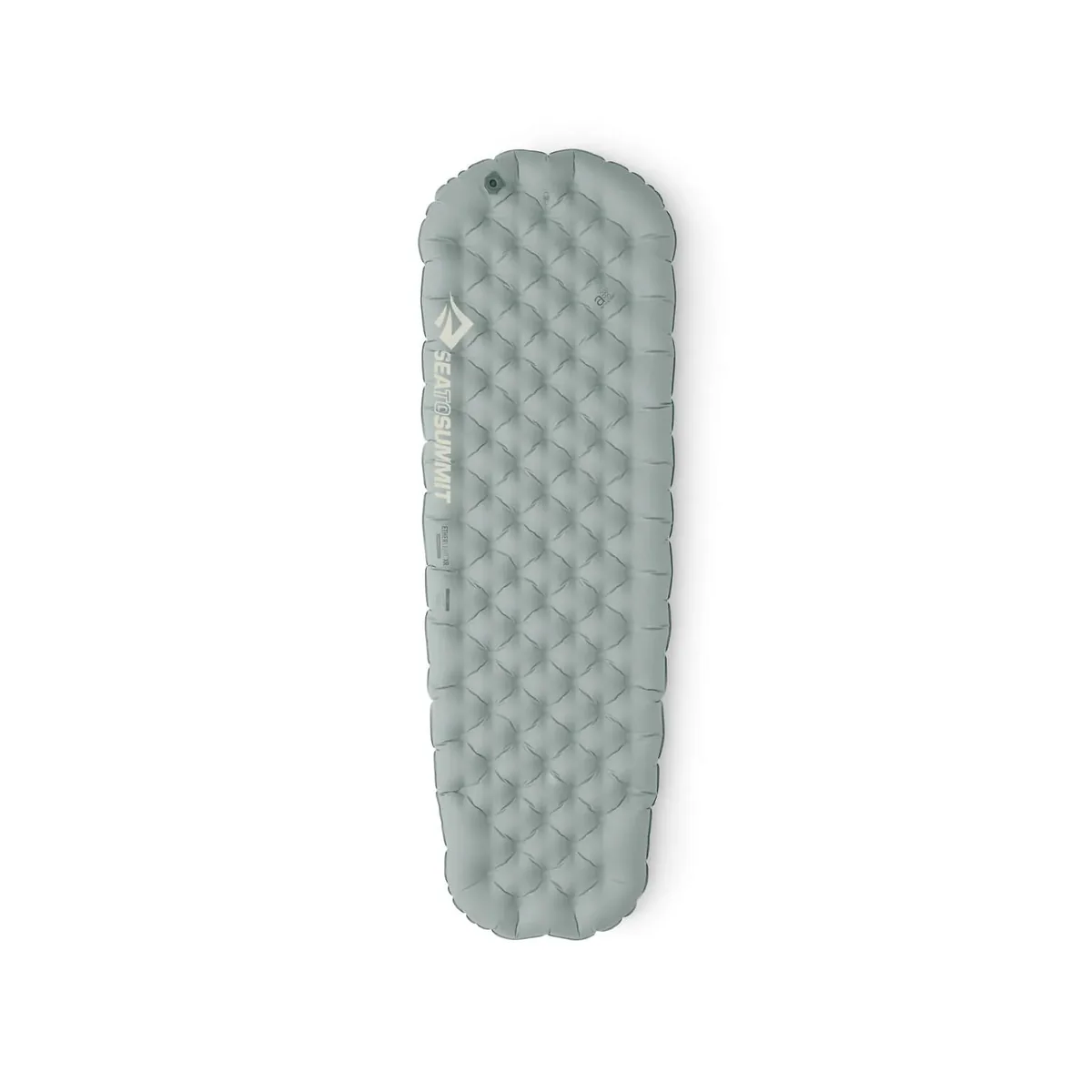
Sea to Summit
Sea to Summit Ether Light XR Insulated
Four inches thick — the deepest air pad here that still weighs under a pound — built from a grid of individual Air Sprung Cells rather than long baffles, so it behaves more like a mattress and less like a pool toy. That structure is the whole point: a hip pressing into one cell does not push air into the next one, which is what stops the bounce and the roll-off that thick pads usually suffer from. R-value 4.1 is honest three-season. The Airstream pump sack is built into the stuff sack and inflates it in a few passes.
Best for: Side sleepers who want mattress depth in a backpacking pad
Full spec sheet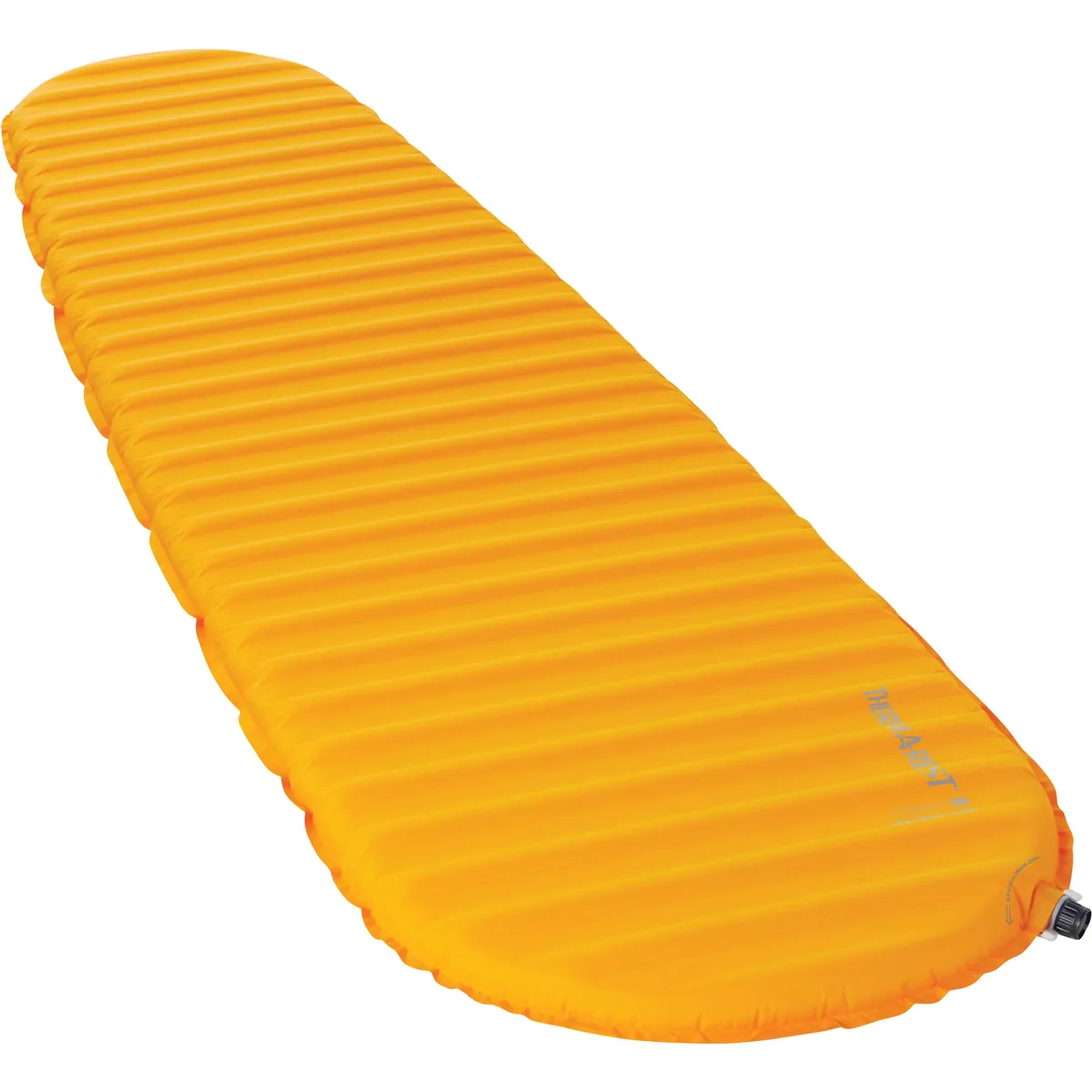
Therm-a-Rest
Therm-a-Rest Trail ProLite
The direct descendant of the original 1970s self-inflating mat, and still the pad to buy if you would rather have something that works than something that weighs less. Open the valve, walk away, come back to a pad that is most of the way there. Two inches is thin by modern standards and 24 ounces is nearly twice an XLite, but 75-denier polyester and foam-filled construction mean a pinhole is an inconvenience rather than a night on the ground — the foam still holds you up. R-value 3.8 covers three seasons honestly.
Best for: Backpackers who want a pad that still works after a puncture
Full spec sheet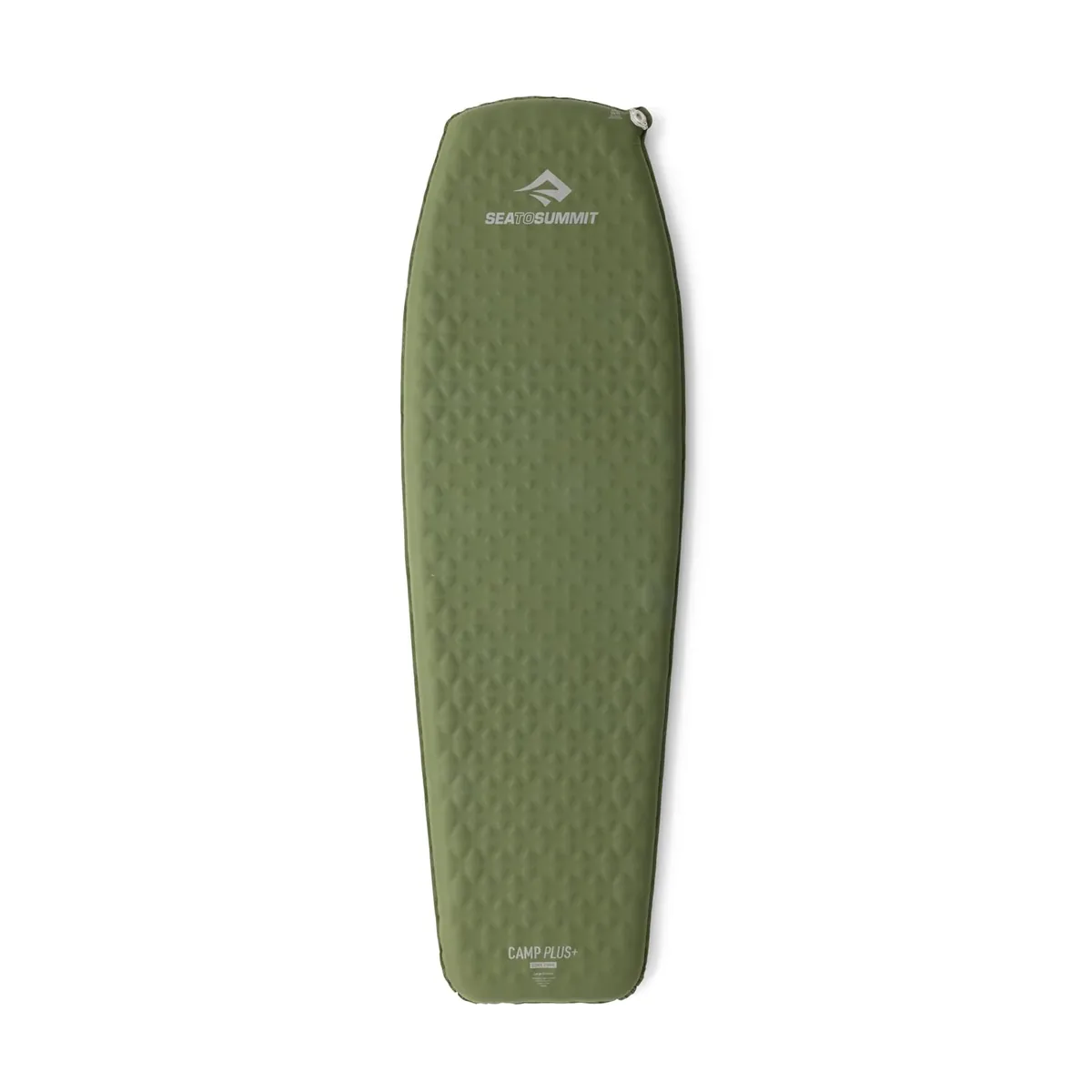
Sea to Summit
Sea to Summit Camp Plus Self Inflating
R-value 5.3 for $99 is the best warmth-per-dollar figure in this catalogue by a wide margin — the nearest air pad with that rating costs more than twice as much. The catch is 37 ounces and a packed size you would not put in a backpack. Sea to Summit varies the foam density along the pad so the insulation sits where the body is and the weight comes out where it isn't, which is why this is thinner and lighter than most self-inflating pads at this R-value.
Best for: Campground sleeping and anyone who wants warmth without spending
Full spec sheet