Stacking Two Sleeping Pads
Short answer
Yes — stacked R-values add. A foam pad at R 2 under an air pad at R 4.5 gives about R 6.5, which is winter-capable, for around $60 and fourteen ounces. Foam goes underneath, both for insulation and to protect the air pad from whatever is under the tent.
Why the arithmetic works
R-value is thermal resistance, and resistances in series add. Two pads between you and the ground are two resistances in series, so their R-values sum. This is one of the few places in outdoor gear where the simple intuition is also the correct physics.
It means a two-pad system is a genuine alternative to a single expensive winter pad, and it is how most people who camp on snow a few nights a year actually do it.
Which order, and why it matters
Foam underneath, air on top. The foam then does three jobs: it insulates, it takes the punctures that would otherwise end your night, and it gives the air pad a flat surface so it doesn't conform to a root. Putting the foam on top instead wastes it — you compress it under your hips and lose the comfort of the air pad's loft.
The exception is a very cold snow camp, where some people put the foam directly on the snow, then the air pad, then a second thin foam sheet on top to stop the air pad's cold top surface contacting a quilt. That is a three-layer solution to a two-layer problem and most people never need it.
What it costs against a single winter pad
A dedicated winter pad in this catalogue runs from roughly $200 to $260 and weighs fifteen to twenty ounces. A three-season air pad plus a foam pad is a similar total weight and usually a similar total price — but you already own the air pad, and the foam pad is sixty dollars, so the marginal cost of winter capability is sixty dollars.
The downside is bulk: a foam pad does not compress and rides on the outside of the pack. For a few winter trips a year that is an easy trade; for a winter thru-hike it is not, and the single warm pad wins.
Gear this applies to
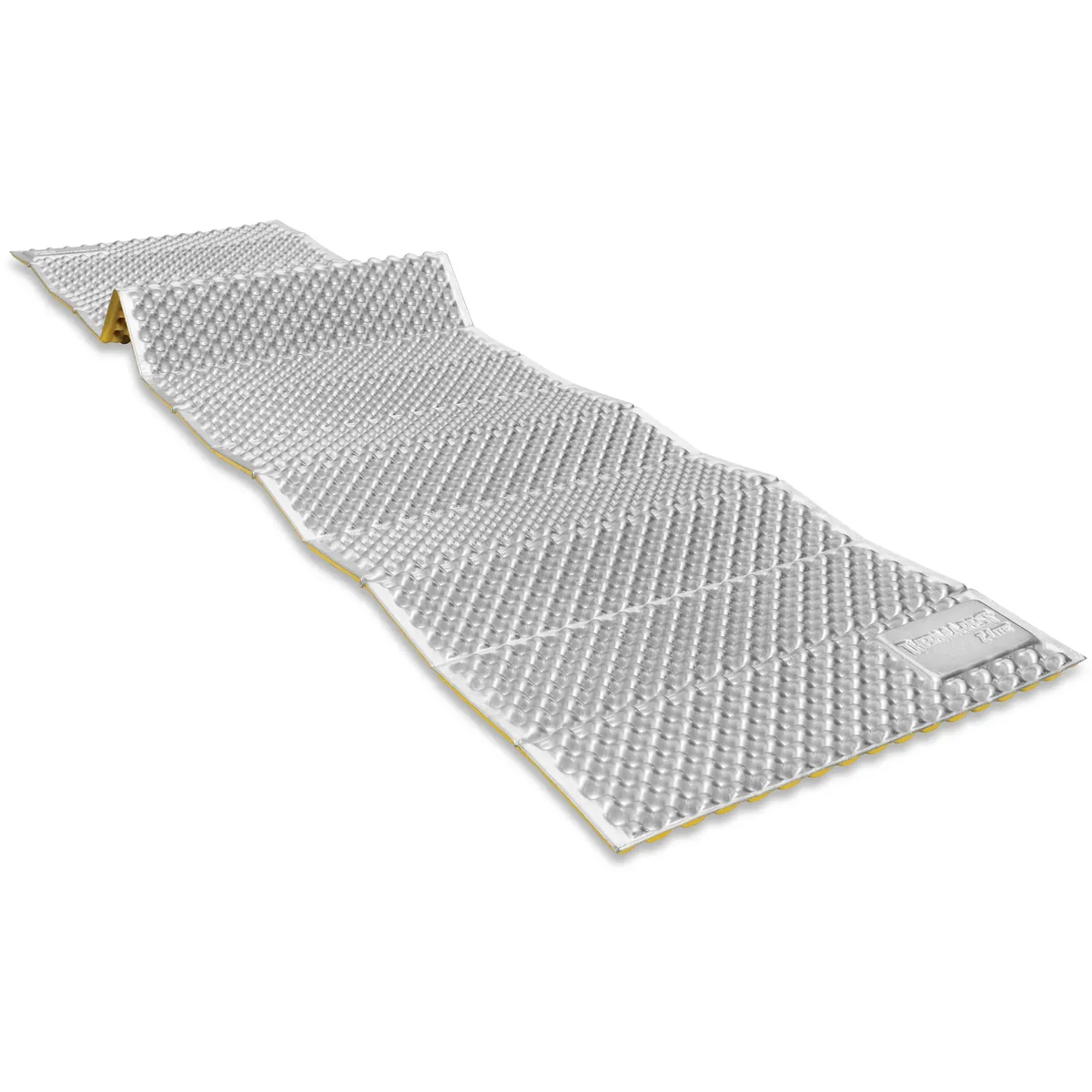
Therm-a-Rest
Therm-a-Rest Z Lite Sol
An accordion of dimpled foam that cannot be punctured, cannot leak, needs no valve and weighs 14 ounces. R-value 2 is genuinely marginal on its own once the ground drops below about 40 °F, and the three-quarter-inch thickness means hips and shoulders feel the ground — but nothing else in the catalogue is this indestructible or this cheap, and its second career is as the layer people put under an inflatable pad in winter to add roughly two points of R-value and protect the fabric. It also folds flat into a sit pad, a pack frame, and a splint, which is why it never quite leaves anyone's kit.
Best for: Foam sleepers, winter layering under an air pad, and anyone tired of leaks
Full spec sheet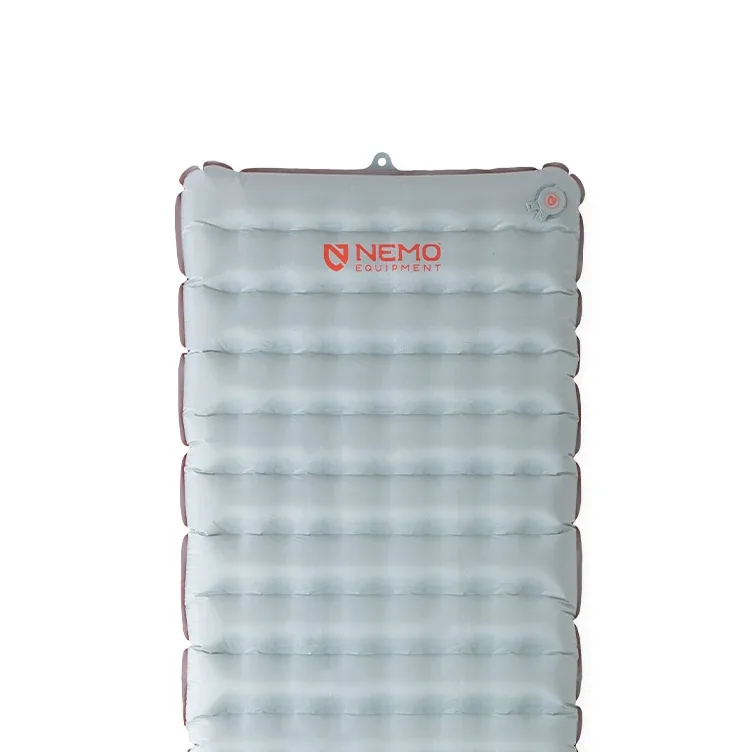
The 2024 Tensor redesign is the pad that took the crinkle argument away from Therm-a-Rest. NEMO's Spaceframe baffles hold the reflective film in suspension rather than laminating it to the fabric, which is why this is the quietest insulated air pad in the catalogue, and the same structure is what gets a three-and-a-half-inch pad to hold its shape under a hip instead of squirming. R-value 5.4 is a genuinely cold-weather number that most people will never max out on a three-season trip. It weighs two and a half ounces more than an XLite and is half an inch thicker.
Best for: Light sleepers and anyone who has returned a crinkly pad
Full spec sheet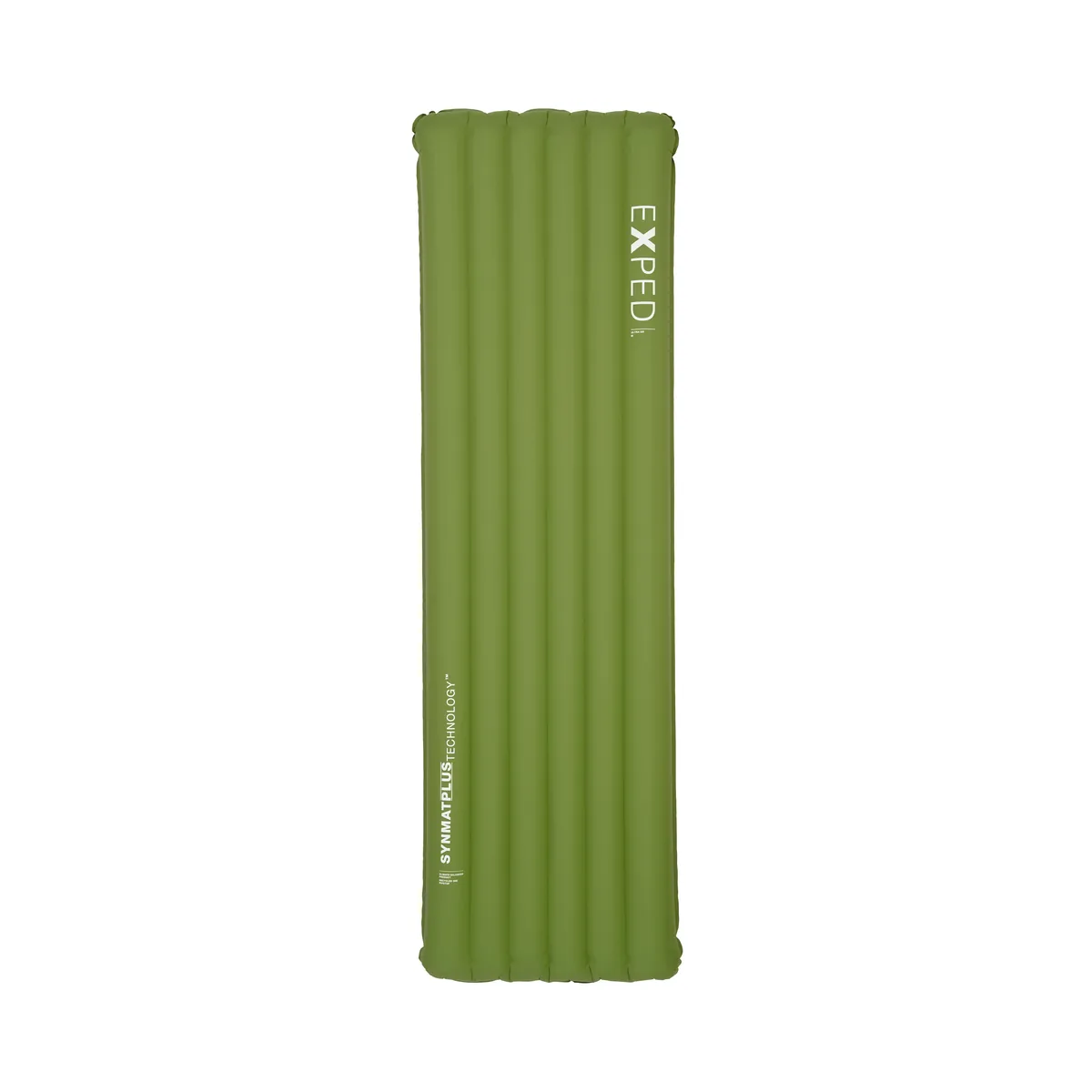
Exped
Exped Ultra 8R
Exped's winter flagship insulates with actual down inside the air chambers, which is why it reaches R 8.8 — the highest figure in this catalogue — at twenty ounces. Exped quotes it as good to about -49 °F, which is a number for expeditions rather than for anyone's weekend. Down inside a pad has one obvious vulnerability: moisture from breath-inflation will eventually kill it, which is exactly why the Schnozzel pump bag is in the box and why using it is not optional on this model.
Best for: Expedition and deep-winter camping
Full spec sheetThe full reference for every number mentioned here is on the spec-sheet page.