Side Sleeping in a Bag or a Quilt
Short answer
Both happen, and the one you want is rotating inside the bag — a bag that turns with you drags its hood off your face and its zip under your hip. Room at the knees and elbows is what makes that possible, so shoulder girth and a cut that is wide at the joints predict a side sleeper's night better than the temperature rating does.
Rotating inside versus rotating with
In a snug mummy, turning over usually rotates the whole bag: the hood ends up beside your ear, the zip migrates underneath you, and the draft collar stops sealing. In a roomier bag you turn inside it and the bag stays put. That is the difference between waking up four times a night and not.
Pad attachment sleeves and strap systems exist mostly to force the second behaviour — they anchor the bag or quilt to the pad so your body turns and the insulation doesn't.
Which specs predict it
Shoulder girth first: under about 60 inches most people will rotate the bag rather than turn inside it. Then the cut — some makers deliberately add width at the elbows and knees and take it back out at the shins, which gives room where a side sleeper needs it without the weight penalty of a rectangular bag.
Quilts sidestep the problem entirely, which is why so many side sleepers end up in one. There is no hood to rotate and no zip to end up under a hip; the cost is that the edges have to be sealed some other way.
The pad matters as much as the bag
Side sleeping puts all your weight on a hip and a shoulder, over a much smaller area than lying on your back. A two-inch pad that is fine on your back will bottom out on your side. Three inches is the practical floor, three and a half is comfortable, and the pads built around four inches or more of loft exist specifically for this.
Width matters too: on a 20-inch pad a side sleeper's knees and elbows hang off the edge onto cold ground. Twenty-two to twenty-five inches solves it, and several pads here offer that for a couple of ounces.
Gear this applies to
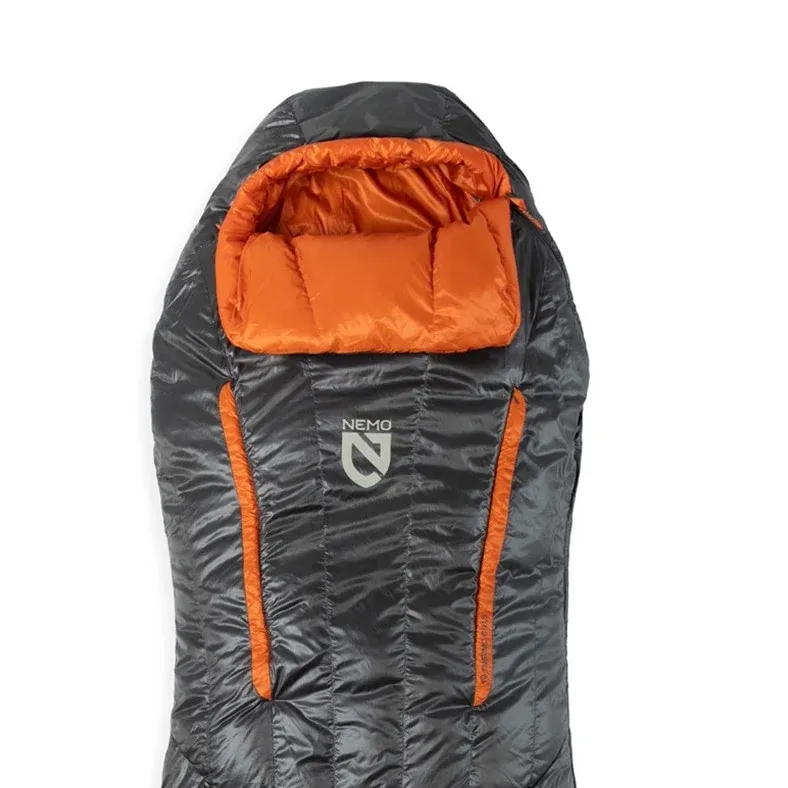
NEMO
NEMO Disco 15
The Spoon shape is NEMO's one genuinely original idea in sleeping bags: extra room cut in at the elbows and knees and taken back out at the shins, so a side sleeper can bend a leg without fighting the bag. If you have ever woken up wrapped in a mummy bag that rotated with you, this is the fix. The Disco is the 650-fill version — heavier and bulkier than the 800-fill Riff above it, and $100 cheaper. NEMO publishes an ISO lower limit of 16 °F but no comfort figure, which is the standard half-disclosure across this brand's line; assume comfort lands roughly ten degrees warmer.
Best for: Side sleepers who find mummy bags claustrophobic
Full spec sheet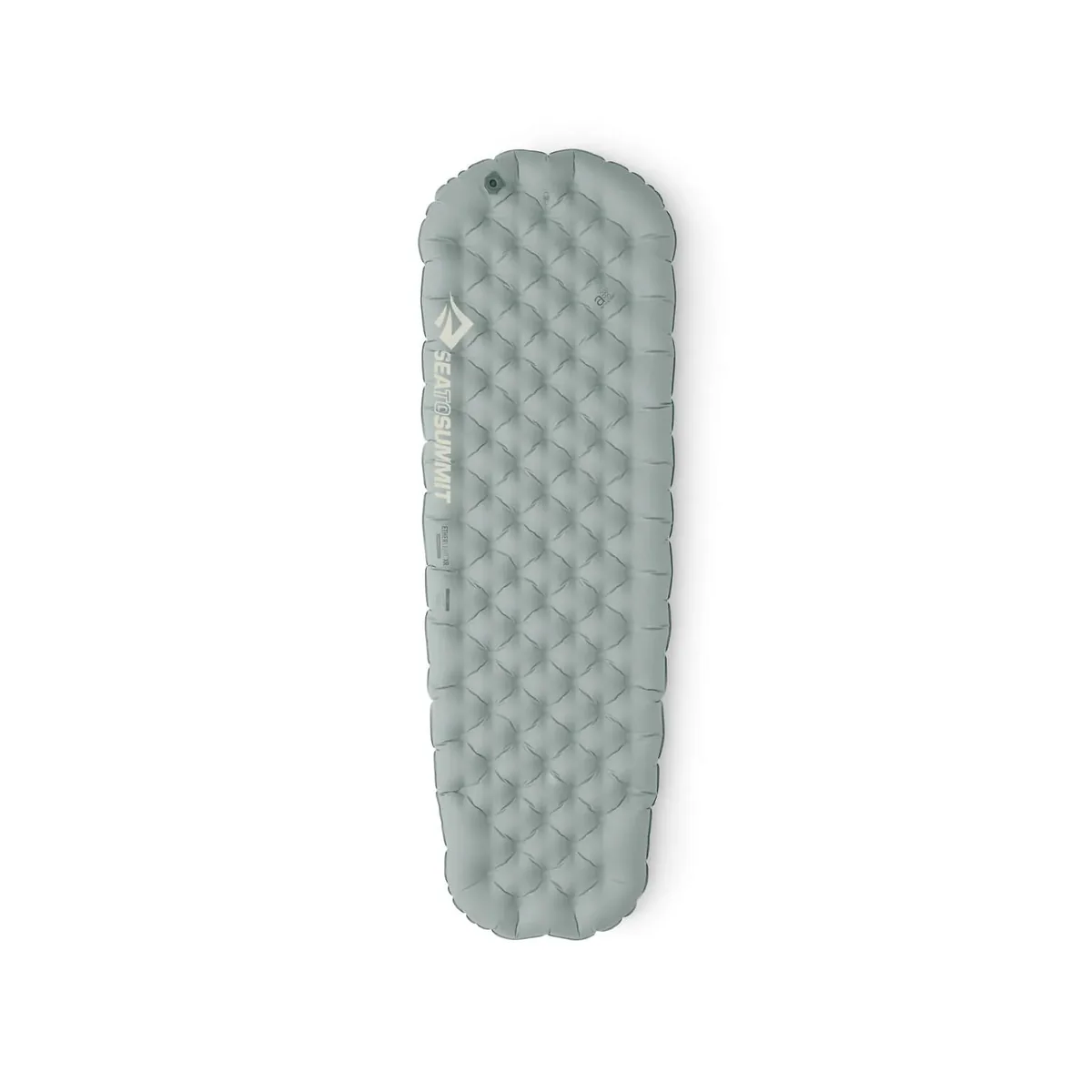
Sea to Summit
Sea to Summit Ether Light XR Insulated
Four inches thick — the deepest air pad here that still weighs under a pound — built from a grid of individual Air Sprung Cells rather than long baffles, so it behaves more like a mattress and less like a pool toy. That structure is the whole point: a hip pressing into one cell does not push air into the next one, which is what stops the bounce and the roll-off that thick pads usually suffer from. R-value 4.1 is honest three-season. The Airstream pump sack is built into the stuff sack and inflates it in a few passes.
Best for: Side sleepers who want mattress depth in a backpacking pad
Full spec sheet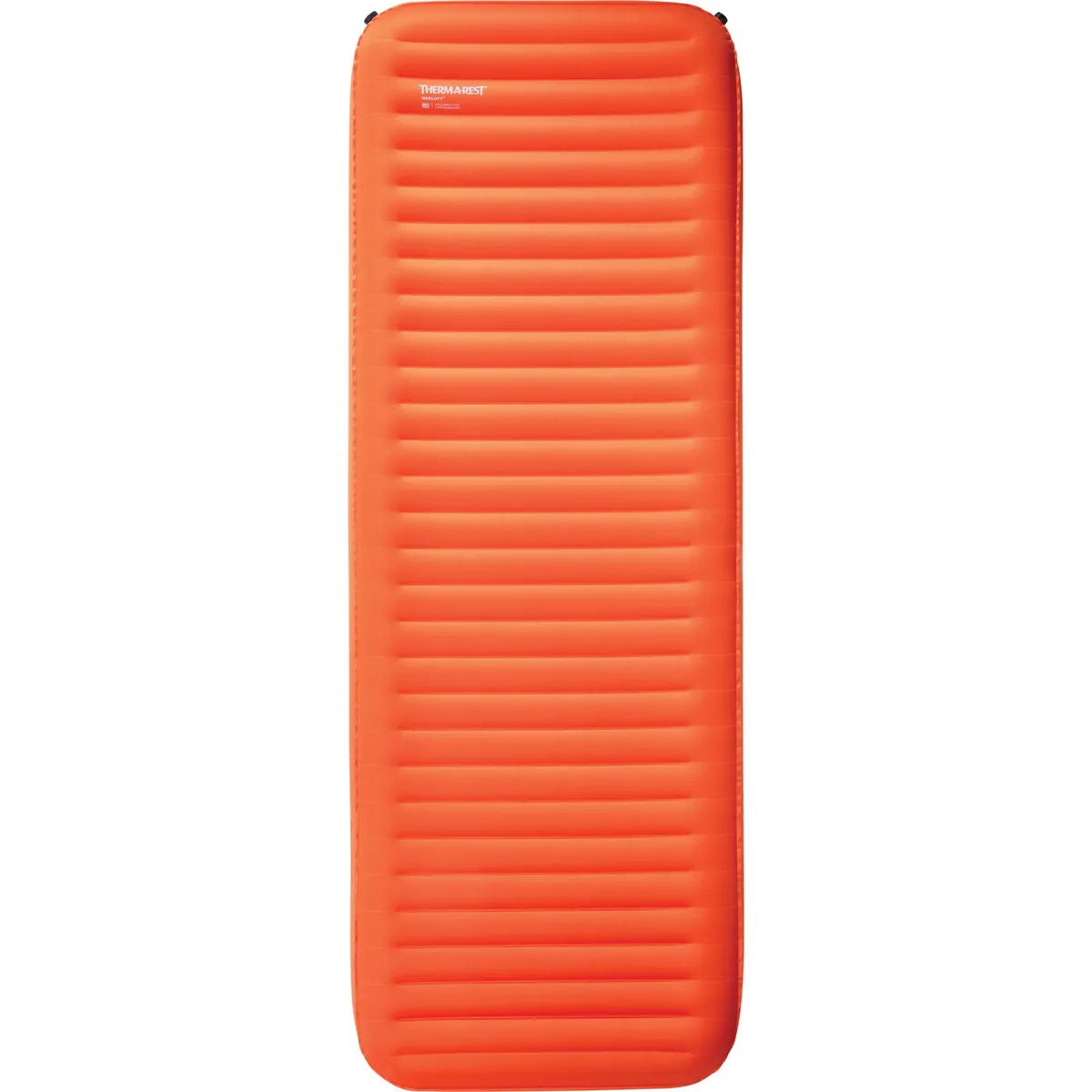
Therm-a-Rest
Therm-a-Rest NeoLoft
Therm-a-Rest's answer to the people who bought an XLite, slept badly on it and went back to car camping. The NeoLoft is 4.6 inches thick — nearly half again as deep as anything else you would carry on your back — with a 50-denier stretch-knit top that feels like fabric rather than a balloon, and it is two inches wider than a standard pad at 22 inches. It costs 12 ounces over an XLite for essentially the same warmth, which is the whole argument: this is comfort bought with weight, not warmth bought with weight. Side sleepers and anyone over about 200 pounds are the people it was built for.
Best for: Side sleepers who want a real mattress but still have to carry it
Full spec sheetThe full reference for every number mentioned here is on the spec-sheet page.