Do You Actually Need a Sleeping Pad?
Short answer
Yes, and not mainly for comfort. The down under your body is crushed flat and insulates almost nothing, so on a pad-less night the ground is pulling heat straight out of you through a layer of fabric. A $60 foam pad at R-value 2 does more for a cold night than a $200 upgrade to your bag would.
The down you lie on is doing nothing
A sleeping bag keeps you warm by trapping still air in lofted insulation. Underneath you, your own body weight compresses that insulation to nothing — the down between your hip and the ground is a few millimetres thick and has no trapped air in it at all. This is not a flaw in the bag; it is physics, and it is the reason quilts exist. A quilt simply leaves that dead insulation out and saves the weight.
So the underside of a sleep system is always the pad's job, never the bag's. A 0 °F bag on bare ground is not a 0 °F sleep system. It is a bag with a hole in the bottom.
Ground conduction beats air convection
Air is a poor conductor, which is why a tent full of cold air is survivable. Soil, rock and especially wet ground are much better conductors, and they are in direct contact with you across a large area all night. Conduction moves heat far faster than the still air around your shoulders ever will, which is why people who sleep cold usually have a pad problem rather than a bag problem.
The practical test: if you wake up cold along your back and hips but your chest and face are fine, the pad is the weak link. If you are cold at the shoulders and neck, it is the bag or a missing draft collar.
The cheapest fix in the whole sleep system
A closed-cell foam pad costs about sixty dollars, weighs fourteen ounces, cannot puncture and delivers an R-value of 2. For summer that is often enough on its own. Stacked under an inflatable in winter it adds roughly two more points of R-value and protects the fabric from whatever is under the tent. Nothing else in a sleep system offers that much warmth for that little money.
If you are genuinely trying to skip a pad — a warm-night bivy, a hut with bunks, a hammock with an underquilt — the thing to check is what is underneath you instead. A hammock without an underquilt has exactly the same problem, worse, because moving air takes heat from the compressed insulation on all sides.
Gear this applies to
Therm-a-Rest
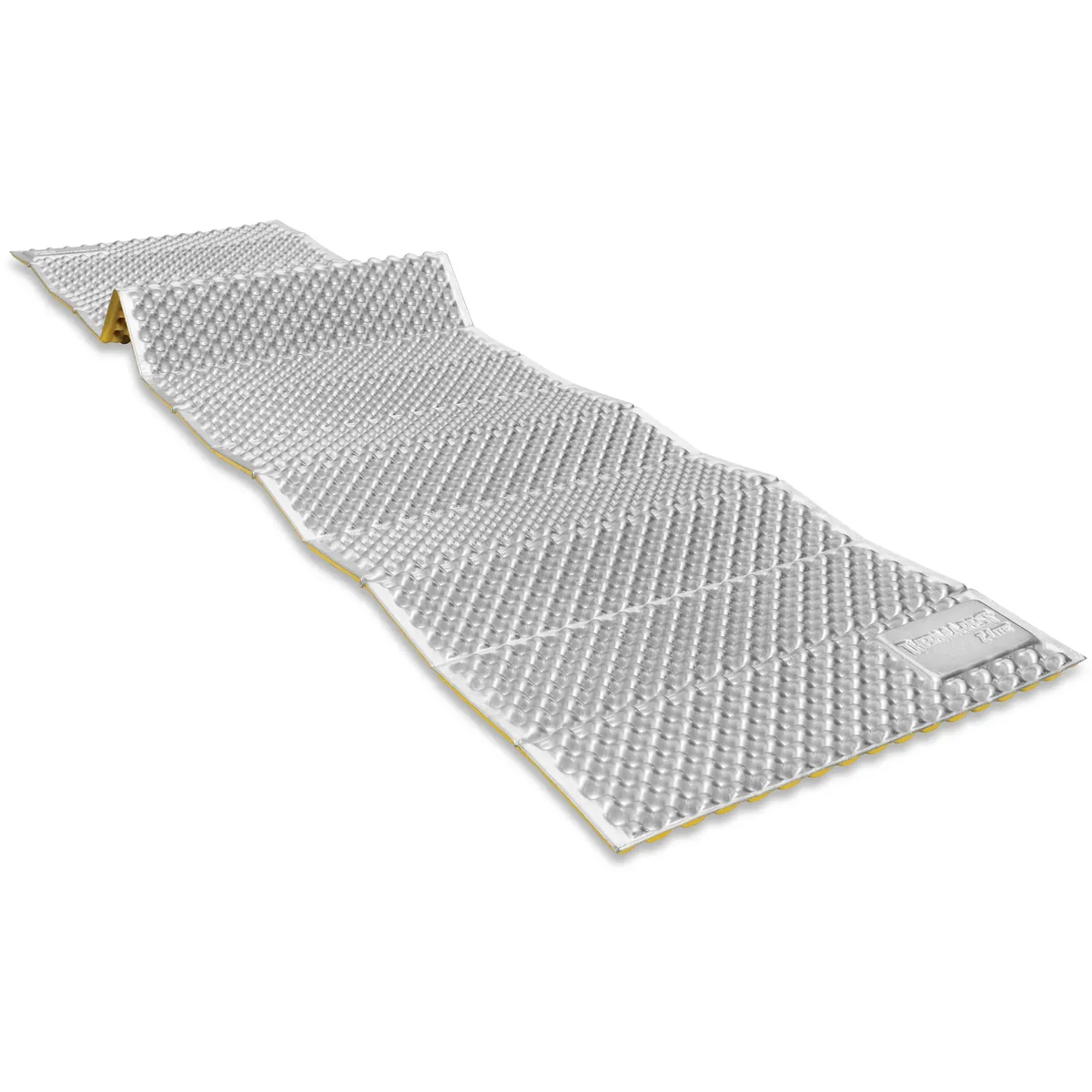
Therm-a-Rest Z Lite Sol
An accordion of dimpled foam that cannot be punctured, cannot leak, needs no valve and weighs 14 ounces. R-value 2 is genuinely marginal on its own once the ground drops below about 40 °F, and the three-quarter-inch thickness means hips and shoulders feel the ground — but nothing else in the catalogue is this indestructible or this cheap, and its second career is as the layer people put under an inflatable pad in winter to add roughly two points of R-value and protect the fabric. It also folds flat into a sit pad, a pack frame, and a splint, which is why it never quite leaves anyone's kit.
Best for: Foam sleepers, winter layering under an air pad, and anyone tired of leaks
Full spec sheet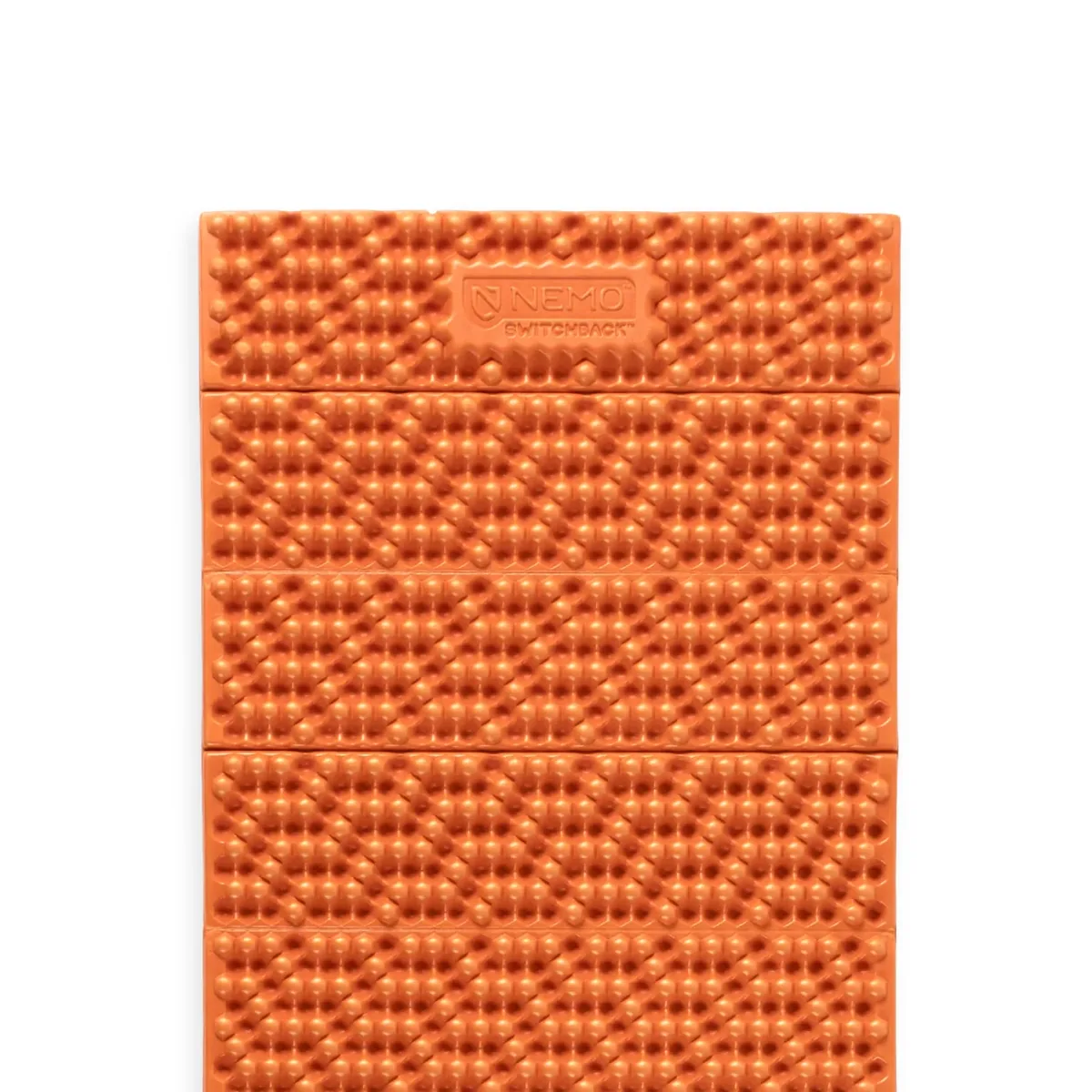
NEMO
NEMO Switchback
The direct competitor to the Z Lite Sol, and the one with slightly deeper nodes — 0.9 inches against 0.75 — which is the whole argument between them. Same R-value of 2, same accordion fold, same complete immunity to punctures. The dual-density foam is firmer underneath and softer on top, and the hexagonal node pattern traps a little more air than the Therm-a-Rest's dimples. Half an ounce heavier and a shade more expensive; whether the extra loft is worth it is a genuinely close call.
Best for: Foam sleepers and as a winter layer under an air pad
Full spec sheet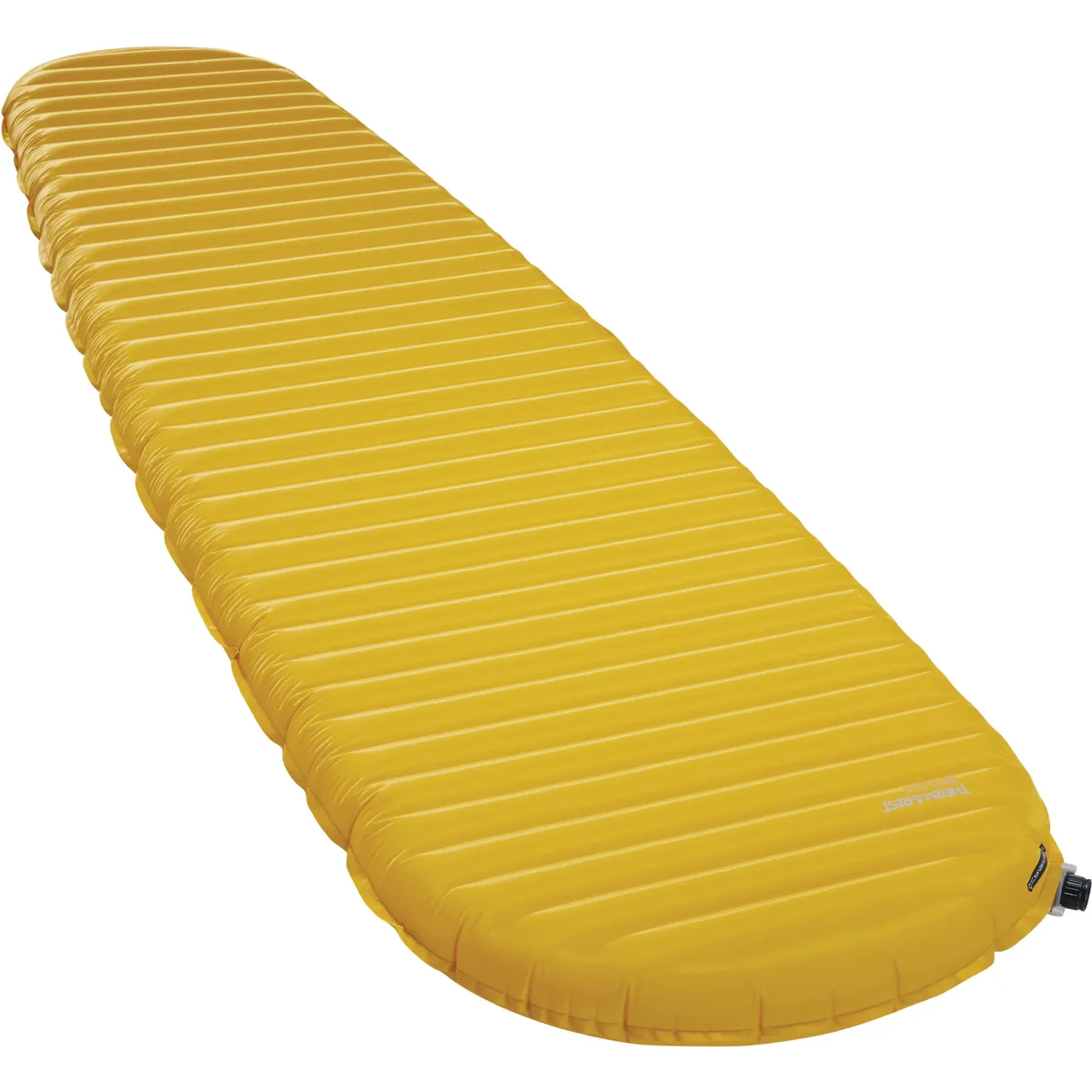
Therm-a-Rest
Therm-a-Rest NeoAir XLite NXT
The XLite has been the default long-distance backpacking pad for a decade, and the NXT revision is the version that finally answered the two complaints people had: it is quieter than the pad it replaced, and the R-value rose from 4.2 to 4.5 without adding weight. Thirteen ounces buys three inches of loft and a rating that covers shoulder-season nights on frozen ground, which is a combination nothing else in the catalogue matches at this weight. The WingLock valve dumps air in a couple of seconds and takes the included pump sack, so nobody has to blow moisture into the baffles. What you give up is durability margin: 30-denier fabric top and bottom is thin, and the pad wants a groundsheet or a foam layer under it on sharp ground.
Best for: Thru-hikers and three-season backpackers counting every ounce
Full spec sheetThe full reference for every number mentioned here is on the spec-sheet page.