Can a Sleeping Pad Be Too Warm for Summer?
Short answer
No, not in any way that matters. A pad's R-value stops the ground taking heat from you; it does not add heat. On a warm night you vent the bag, not the pad. The real cost of a winter-rated pad in summer is the weight and the money, not overheating.
Insulation under you works differently
An over-warm sleeping bag is genuinely uncomfortable because it traps the heat your body is producing and you have nowhere to dump it except by opening the bag. A pad is not doing that. It is a barrier between you and a heat sink, and a better barrier just means less heat leaves downwards — which, on a warm night, is already very little heat, because the ground is not much colder than you are.
The people who report a hot pad in summer are almost always describing a non-breathable top fabric on a humid night, which is a fabric problem rather than an R-value one.
So why not buy the warmest pad and be done
Weight and money. In this catalogue the difference between a three-season pad and a winter one is typically two to five ounces and $40 to $80, which is not nothing but is a far smaller penalty than the bag equivalent. If you own one pad and camp across seasons, buying above your three-season need is defensible.
The exception is packed size. Winter pads generally pack larger, and in a small pack that matters more than the ounces do.
The stacking alternative
A closed-cell foam pad at R 2 under a three-season air pad at R 4.5 gives roughly R 6.5 — genuinely winter-capable — for about sixty dollars and fourteen ounces. R-values of stacked pads are additive, which is the most useful fact in this whole subject.
That gets you a summer setup (foam alone or air alone), a three-season setup and a winter setup out of two purchases, and the foam pad is also puncture insurance under the expensive one. For most people who camp year-round it is a better answer than a single winter pad.
Gear this applies to
Exped
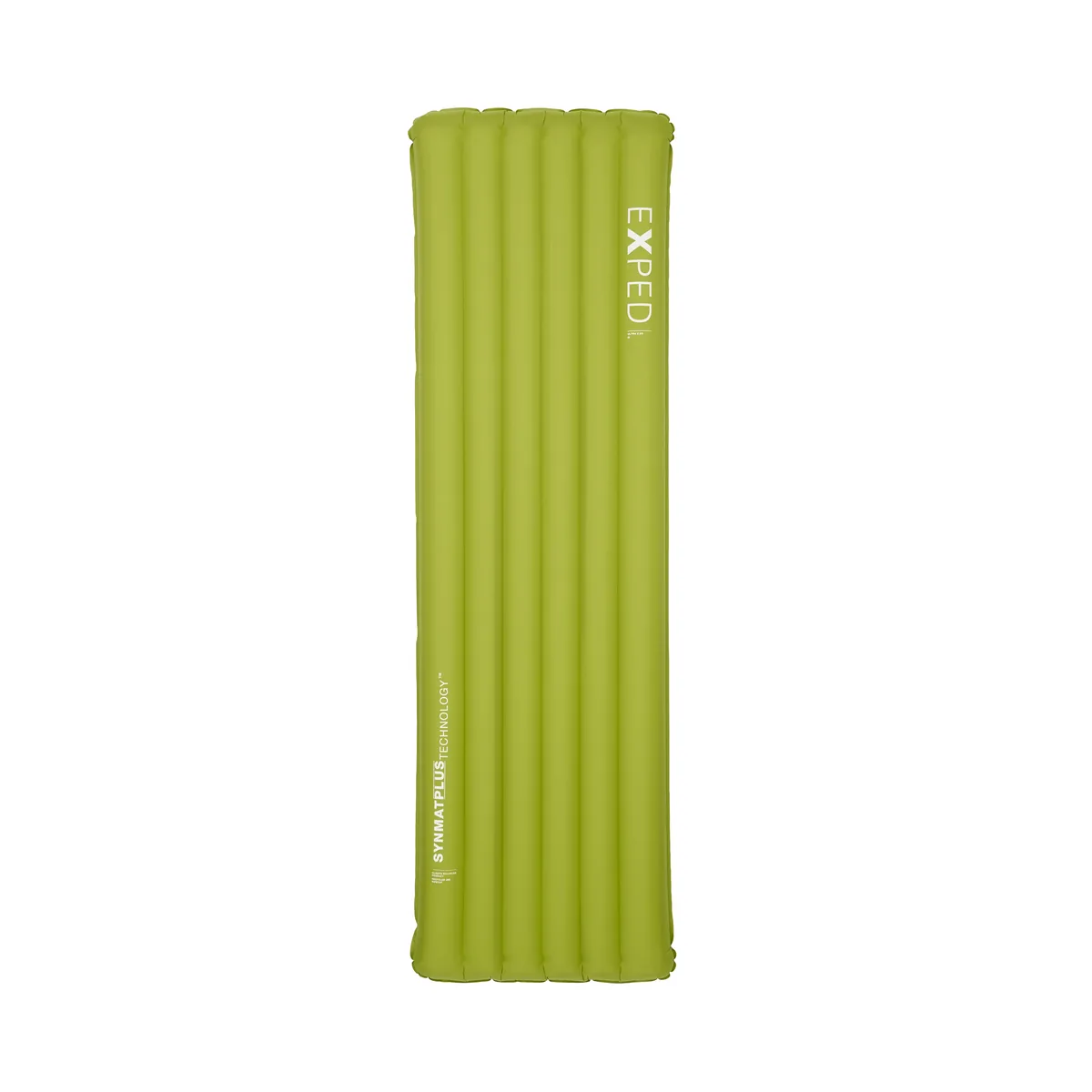
Exped Ultra 6.5R
The oddity in this catalogue: an R 6.9 pad that weighs half an ounce less than the R 3.2 pad from the same brand. Exped's naming is confusing — the model is called 6.5R and tests at 6.9 — but the numbers are real and they make this the best warmth-per-ounce pad here, at 0.45 R per ounce. Three and a half inches thick, silent batting insulation, and again the same price in every width. If you were going to buy one insulated pad and use it from May to October and occasionally in snow, this is the strongest argument in the catalogue.
Best for: One pad for everything, including the occasional night on snow
Full spec sheet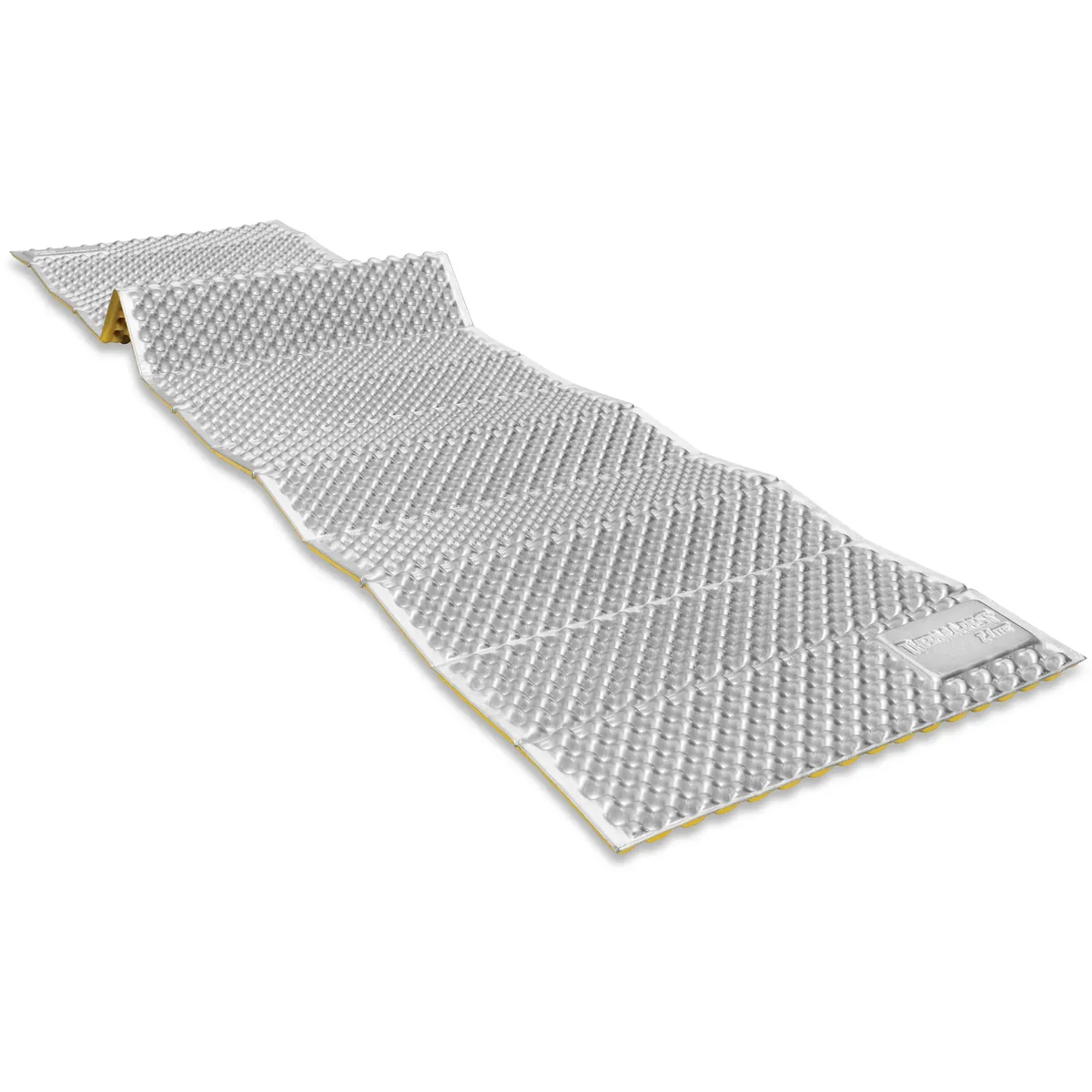
Therm-a-Rest
Therm-a-Rest Z Lite Sol
An accordion of dimpled foam that cannot be punctured, cannot leak, needs no valve and weighs 14 ounces. R-value 2 is genuinely marginal on its own once the ground drops below about 40 °F, and the three-quarter-inch thickness means hips and shoulders feel the ground — but nothing else in the catalogue is this indestructible or this cheap, and its second career is as the layer people put under an inflatable pad in winter to add roughly two points of R-value and protect the fabric. It also folds flat into a sit pad, a pack frame, and a splint, which is why it never quite leaves anyone's kit.
Best for: Foam sleepers, winter layering under an air pad, and anyone tired of leaks
Full spec sheet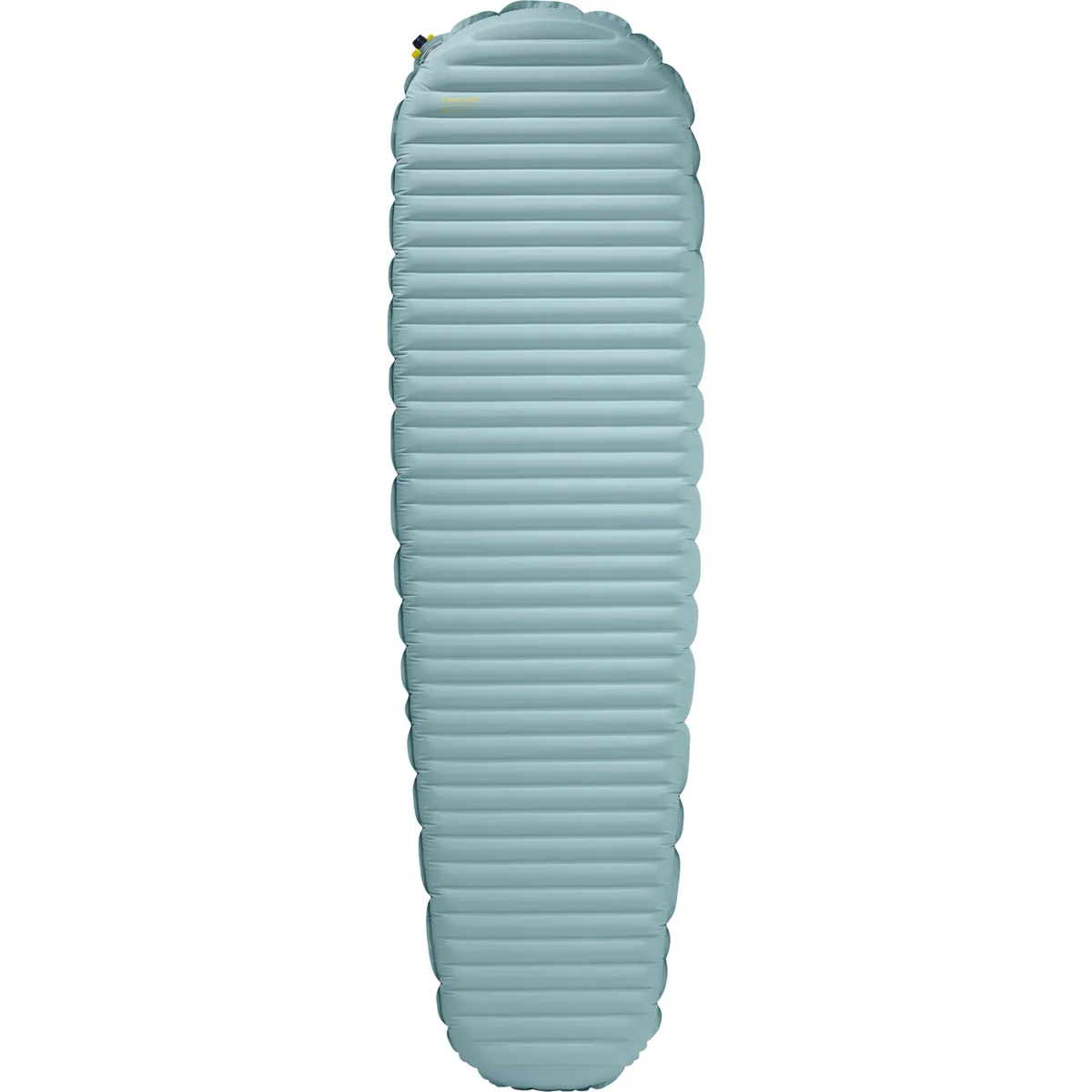
Therm-a-Rest
Therm-a-Rest NeoAir XTherm NXT
Add two and a half ounces to an XLite and you get a pad rated 7.3 — enough to sleep on snow — which is the trade that makes the XTherm the pad winter backpackers and shoulder-season sceptics buy instead. The extra warmth comes from more layers of the same reflective film rather than from bulk, so it packs almost as small and feels the same underneath. The 70-denier bottom fabric is a real upgrade over the XLite's 30D and the reason this one survives on crusted snow and scree. It is a lot of R-value to carry in July, and the honest answer for most three-season use is that it is more pad than the trip needs.
Best for: Winter and high-alpine trips where the ground is frozen
Full spec sheetThe full reference for every number mentioned here is on the spec-sheet page.